Best Value Tools to Buy During Black Friday Sales
What's inside
As an Amazon Associate I earn from qualifying purchases. This post may contain affiliate links at no extra cost to you.
Black Friday is the one time of year when tool pricing actually inverts. The rest of the year, manufacturers hold MAP pricing tight and retailers compete on free batteries or gift cards. During Black Friday week, they cut the price directly, often 30-45% below the October average. If you are building a shop or filling gaps, this is when to buy big-ticket cordless and stationary tools. If you already own a full kit, most deals are not worth chasing.
As an Amazon Associate we earn from qualifying purchases at no extra cost to you.



What Actually Gets Discounted
Not every tool is a Black Friday deal. Hand tools and consumables might drop $5-$10, but the real cuts are on kits that get people into a battery platform and on large box items retailers want to move before year-end inventory counts. Expect the deepest discounts on drill/driver combo kits, 6-1/2″ to 7-1/4″ circular saws, oscillating multi-tools, 10″ and 12″ sliding miter saws, and jobsite table saws. Last year, the typical 2-tool 18V/20V combo kit with two 2.0Ah batteries and a charger fell from $179-$199 to $99-$129. Individual bare tools that normally sell for $129-$159 with no battery often get bundled with a starter battery for the same price.
The pattern is predictable: brands discount their entry and mid-tier SKUs, not their flagship high-torque or high-capacity models. You will see a lot of brushed or lower-torque brushless drills, single-bevel miter saws, and 8-1/4″ table saws. That is not necessarily a problem. For home, shop, and light trade use, those are exactly the value tier you want.
Cordless Drills and Combo Kits
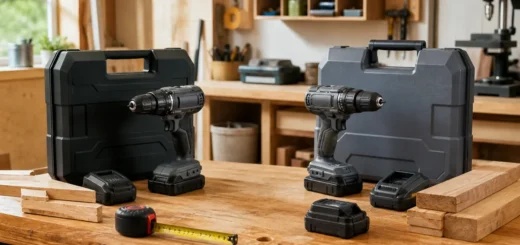
If you do not own a modern 18V/20V system, a Black Friday combo kit is the best value buy of the year. The math is simple. A single brushless drill/driver with one 2.0Ah battery is $129 most months. On Black Friday, a kit with a drill, an impact driver, two batteries, charger, and soft bag is routinely $99 to $149. You are paying less and getting twice the hardware.
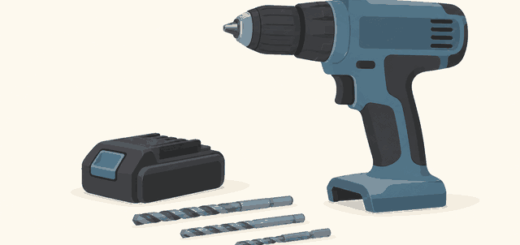
Look for these specs at minimum: brushless motors, 60-65 Nm (530-580 in-lbs) of peak torque on the drill, and 1.5Ah batteries or larger. Anything with 1.3Ah or smaller will sag under load and degrade faster. Avoid kits that include 12V tools mixed with 18V/20V batteries unless you specifically want a compact 12V line for cabinet or electrical work. The cheaper option is absolutely fine here. A $99 brushless cordless drill combo kit from Ryobi, Craftsman, or Porter-Cable will drill 1/2″ holes in SPF framing, drive 3″ deck screws, and assemble furniture for years. The failure mode on budget drills is not power, it is chuck runout and clutch consistency after 18-24 months of heavy use. If you are drilling hundreds of holes per week, step up to Makita, Milwaukee, or DeWalt mid-range brushless. If you are not, save the $80.
The Battery Platform Trap
The cheapest kit is expensive if it locks you into a weak battery system. Black Friday is designed to do exactly that. $99 for a sander or drill with a battery feels like a win until every subsequent bare tool is $119 and the 4.0Ah and 6.0Ah batteries are $89-$129 each.
Before you buy, check the cost of the batteries you will actually need next. A 2.0Ah battery runs a drill or light well, but a circular saw, reciprocating saw, or small router needs at least 4.0Ah to hold voltage under load. If the high-capacity packs for that brand rarely drop below $79, the upfront savings evaporate.
| Platform Tier | Typical Black Friday Kit Price | Cost of 4.0Ah/5.0Ah Replacement Battery | Best For |
|---|---|---|---|
| Budget (Ryobi One+, Craftsman V20, Hart) | $99 – $149 (2 tools + 2 batteries) | $49 – $69 | Homeowners, DIY, light shop use |
| Mid-Range Value (Ridgid 18V, Kobalt 24V, DeWalt Atomic) | $149 – $199 (2 tools + 2 batteries) | $69 – $89 | Serious DIY, rental property maintenance |
| Pro Value (Makita LXT, Milwaukee M18, DeWalt 20V Max XR) | $199 – $279 (2-3 tools + 2 batteries) | $79 – $119 | Daily trade use, long-term ownership |
The value play is to pick one mid-range or pro platform and buy depth during sales. Four batteries across two amp-hour sizes will run five or six bare tools cheaper than spreading $99 kits across three brands.
Stationary Tools Worth Waiting For
This is the second category where Black Friday genuinely beats other sales. Retailers like Home Depot and Lowe’s use miter saws and table saws as doorbusters because they are bulky, high-ticket, and easy to advertise at $100 off.
A 10″ or 12″ sliding compound miter saw that is $399 in September will often hit $249-$299 on Black Friday. The same for 8-1/4″ jobsite table saws, which drop from $349-$399 to $279-$299 and sometimes include a free stand. At that price, even a single-bevel saw with a decent aluminum fence is good value. Check the detent accuracy at 0 and 45 degrees and the slide play before you buy. The failure mode on budget sliders is deflection at full extension, you will see 1/32″ to 1/16″ drift on a 12″ crosscut in hardwood if the rails and bearings are loose. For trim and flooring, it matters. For framing and general crosscuts, it does not.
If you have the space, a sliding miter saw at this discount is one of the biggest functional upgrades you can make. It replaces a circular saw and speed square for 90% of crosscuts and does it faster and more accurately. If you do not have dust collection, factor in a $35-$50 dust bag or adapter, these saws throw fine dust badly without it.
Hand Tools, Storage, and Consumables
Hand tool deals look flashy but offer less real value. A 150-piece socket or mechanic’s set marked down from $199 to $99 is common, but the steel and ratchet tooth count are usually entry-level. The ratchets will have 72 teeth instead of 90, and the sockets may be carbon steel rather than chrome vanadium. They work, but they will round fasteners faster under torque and the ratchets will slip under load sooner.
Where you do win is on tool storage and organization. 26″ and 41″ rolling tool cabinets, stackable organizers, and tough system boxes are often 25-30% off. If your tools live in cardboard boxes or totes, this is a better investment than another cheap drill. Consumables like Diablo or DeWalt blades, sanding discs, and drill bit sets also hit true lows, often 30-40% off multi-packs. Stock up on what you burn through, not what looks like a deal.
A useful price check: compare the Black Friday “special buy” to the price three weeks before. Many retailers raise the list price in late October to make the discount look larger. Use a price history tracker and only buy if the sale price is actually lower than the September average.
What to Skip
Skip corded tools unless you have a specific need. A $79 corded circular saw is not a deal when a cordless 7-1/4″ saw with a 4.0Ah battery cuts 2×10 SPF just as well and does not tether you. Skip off-brand lithium batteries and no-name combo kits that appear only in November. They use low-grade 18650 cells with inflated amp-hour ratings, often 2.0Ah labeled as 4.0Ah, and lack proper over-current and thermal protection. Two failure modes to expect: voltage sag under load that stalls the tool, and swelling or failure to balance-charge after 20-30 cycles.
Also skip extended warranties pushed at checkout. Most major brands already include a 3-year limited warranty plus one year of service, and Ridgid offers lifetime service if registered. The $20-$40 add-on rarely covers wear items like brushes, chucks, or batteries anyway.
Finally, do not buy a bare tool just because it is cheap if you do not own the battery. A $59 brushless impact driver that needs an $89 battery is not a $59 tool. Wait for a kit that includes the battery you need.
A Simple Buying Strategy
Make a short list before the ads drop. Write down the exact kit or tool you need, the battery size you want, and the highest price you will pay based on September pricing. On Black Friday week, check the big three, Home Depot, Lowe’s, and Amazon, plus Acme Tools and Tool Nut for pro-tier price matching. Buy the battery platform first, then add bare tools only after you confirm the batteries are genuine and charge correctly. The best value is not the lowest sticker price, it is the kit you will still be using in three years without having to rebuy batteries.