Best Value Random Orbital Sander for Furniture Refinishing
What's inside
As an Amazon Associate I earn from qualifying purchases. This post may contain affiliate links at no extra cost to you.
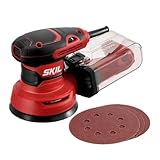
For furniture refinishing, the best-value random orbital sander is usually a basic 5-inch corded model with variable speed, a dust port, and a comfortable grip. You do not need a premium machine to strip a tabletop or smooth a dresser. You do need a sander that runs evenly, accepts common hook-and-loop discs, and does not leave deep swirl marks when you move to finer grits.
As an Amazon Associate we earn from qualifying purchases at no extra cost to you.



What value means for furniture work
A low purchase price can be a false saving if the tool vibrates badly, clogs quickly, or makes dust collection awkward. On the other hand, paying extra for a large motor or an extensive accessory kit rarely improves a small refinishing job. A sound 5-inch corded sander in the roughly $40–$80 range is a sensible target; prices vary, so compare current listings and what is included.
Look for a variable-speed control, a standard 8-hole or multi-hole 5-inch pad, and a dust port that can connect to a shop vacuum. A sealed dust box is convenient for quick work, but it generally collects less dust than a vacuum. If your vacuum hose will not fit, check whether an adapter is included or available before buying.
Comparing the main options
| Type | Typical cost | Best for | Main trade-off |
|---|---|---|---|
| Basic corded 5-inch | About $40–$80 | Occasional furniture refinishing and general home projects | Can be noisier or less refined in the hand than costlier tools |
| Higher-quality corded 5-inch | About $80–$160 | Frequent use, longer sessions, and better dust-control setups | Costs more; the finish still depends heavily on technique and abrasives |
| Cordless 5-inch | Often $100–$250 before considering batteries | Work away from outlets or across a large piece without a cord | Battery cost, weight, and runtime can make it poor value for a one-off job |
| Quarter-sheet finishing sander | Often $30–$80 | Flat areas, edges, and light finish sanding | Slower at removing material; not a direct substitute for a random orbital sander |
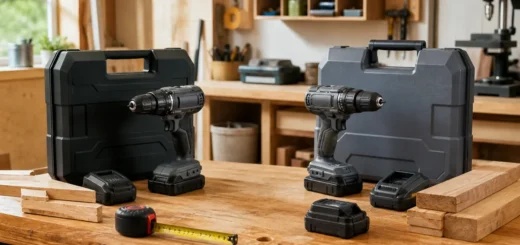
For a first tool, compare corded 5-inch variable-speed random orbital sanders. Choose a cordless option mainly if you already own compatible batteries; otherwise, cordless 5-inch sanders can cost substantially more once a battery and charger are added.
Features worth paying for
Variable speed is useful on delicate veneer, curved trim, and finish removal where too much heat can soften old coatings or clog the disc. A lower setting gives you more control, though you should still keep the pad flat and moving. High speed is useful for faster stock removal on solid wood, but it is not permission to press hard.
Low vibration and a secure grip matter more than a small difference in advertised power. A poorly balanced sander can tire your hand and make it harder to keep the pad level. If possible, hold the tool before buying. If not, check return terms and reviews that discuss vibration, pad wobble, and durability after extended use rather than relying on motor wattage alone.
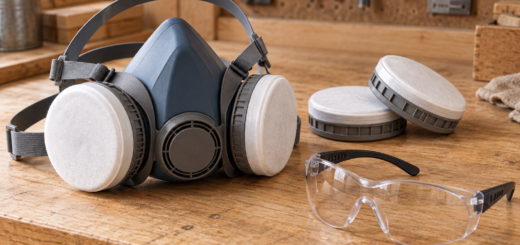
Dust collection is important for both cleanup and finish quality. Dust trapped under a disc can make scratches, and fine sanding dust is unpleasant to breathe. Connect a vacuum where practical, use a suitable respirator, and remember that a dust bag does not capture everything. Empty collectors before they become packed, because restricted airflow reduces collection.
Spend carefully on discs and technique
Good abrasives often improve results more than upgrading from an adequate sander. Buy 5-inch discs in the hole pattern your pad supports. Start around 80 or 100 grit only when you need to remove a coating or level damage; on sound wood with a thin finish, 120 grit may be a safer starting point. Progress through 150 and 180, or follow the coating maker’s instructions if you are preparing for paint or a new finish.
Do not jump from coarse paper straight to fine paper. A 60-grit scratch can remain visible after 180 grit, especially under stain. Let the tool’s weight do the work, overlap passes, and keep moving. Holding a sander in one spot can create a shallow dish or heat damage. On thin veneer, avoid aggressive grit and pressure: a few seconds too long can cut through to the substrate, and that damage may be impossible to hide with stain.
For inside corners and narrow profiles, the round pad cannot reach cleanly. Use a sanding block or detail tool rather than tilting the random orbital sander onto its edge. That habit can gouge the surface and wear the pad unevenly.
When the cheaper option is enough
A basic corded sander is a good buy if you are refinishing one or two pieces a year, working near an outlet, and willing to connect a shop vacuum or clean up afterward. You can also get by without variable speed if the work is mostly flat, solid wood and you use appropriate grits with a light touch. A basic corded 5-inch sander with dust collection is a practical starting point for that workload.
Pay more if you sand regularly, spend long sessions on large surfaces, or have struggled with hand fatigue and dust control. Cordless is worth considering when mobility is a real need and you already have batteries from the same platform. Otherwise, a corded tool often delivers more sanding time per dollar.
Timing the purchase
Compare prices around major seasonal sales, but do not buy a bundled kit just because it advertises a discount. Check the sander’s normal price, whether the bundle includes useful discs or an adapter, and whether replacement pads are readily available. A spare pad or a pack of quality abrasives may be more valuable than extra low-grade accessories.
Before checkout, confirm the tool takes standard 5-inch hook-and-loop discs, inspect the dust-port arrangement, and read the warranty terms. For furniture refinishing, those practical details—and careful grit progression—will affect your results more than choosing the most powerful sander on the shelf.