How to Decide Whether a Tool Brand’s Ecosystem Is Worth the Investment
What's inside
As an Amazon Associate I earn from qualifying purchases. This post may contain affiliate links at no extra cost to you.
What a Tool Ecosystem Really Costs
A tool ecosystem is a group of cordless tools that share batteries and chargers. The attraction is simple: buy one battery platform, then add bare tools without paying for another battery and charger each time. The catch is that the first purchase usually costs more than a single inexpensive corded or cordless tool, and you are committing to that brand’s battery design.
Judge the ecosystem by the cost of the jobs you expect to do, not by the number of tools shown in a catalog. A platform with 100 tools is not useful if you only need a drill, impact driver, and saw. Conversely, a smaller professional platform can be a good value if it has the exact high-draw tools you will eventually need.
Start by listing the tools you expect to buy over the next three to five years. Include batteries, chargers, blades, bits, and replacements. A realistic list might include a drill, impact driver, reciprocating saw, circular saw, oscillating multi-tool, light, and compact vacuum. If you will buy only one cordless tool, an ecosystem is usually unnecessary. A corded tool or a kit from a lower-cost platform may be cheaper.
Compare the Platform Cost, Not Just the Bare Tool
Manufacturers often advertise the price of a bare tool because it looks attractive. That price is meaningful only if you already own compatible batteries. For a new user, compare complete starter kits and the cost of adding the next three tools.
| Purchase path | Typical upfront cost | Best fit | Main drawback |
|---|---|---|---|
| Corded tools | $40–$150 per tool | Occasional workshop or home use | Needs an outlet and extension cord |
| Budget cordless kit | $120–$300 for two tools, batteries, and charger | Light repairs and DIY projects | Smaller tool range and weaker high-draw performance |
| Mainstream 18V/20V platform | $200–$450 for a starter kit | Regular home maintenance and remodeling | Higher replacement-battery prices |
| Premium high-output platform | $300–$700 for a starter kit | Frequent construction or demanding outdoor work | Expensive batteries and diminishing value for light use |
These are broad street-price ranges, not guarantees. Seasonal sales can move them substantially. A kit with two batteries may be a better deal than a bare tool discounted by $30, particularly if a replacement battery costs $60 to $150.
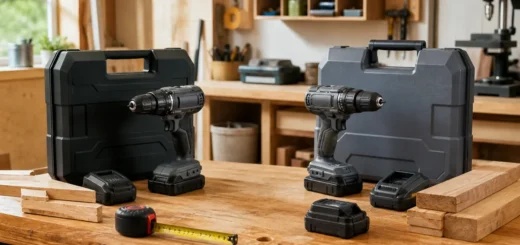
For a basic repair setup, compare cordless drill and impact driver combo kits rather than buying those tools separately. For occasional cutting, a corded saw can still be the cheaper and more dependable choice.
Check the Battery Platform Before Buying
Battery voltage is a rough guide, not a complete performance rating. Two tools labeled 18V or 20V may have very different motors, electronics, and battery capacities. A 2.0Ah battery is light and convenient, but a high-draw saw may drain it quickly or reduce its power as the pack heats up. A 4.0Ah or 5.0Ah pack generally provides longer runtime, but adds weight and cost.
Look for the battery sizes offered in the platform. A good ecosystem should have inexpensive compact packs for drills and lights, mid-size packs for saws, and higher-capacity options for vacuums, grinders, and outdoor equipment. If the brand sells only one small battery, it may be fine for fastening but frustrating for cutting.
Also check whether the newest batteries work with older tools. Compatibility is not always universal within a brand. Some high-output packs fit physically but offer limited benefits in older tools; others may not be recommended at all. Read the tool and battery compatibility notes before assuming every product shares one connector.
Match the Ecosystem to Your Work
For drilling and driving, almost any reputable platform can cover normal household jobs. Installing cabinets, assembling furniture, and driving deck screws rarely justify the most powerful system. A compact drill and impact driver are often easier to control than heavy premium versions.
Saws and grinders expose platform differences faster. Cutting sheet goods may be comfortable with a compact circular saw and a 4.0Ah battery. Repeated cuts through framing lumber, thick hardwood, or metal demand more runtime and cooling. If the saw stops repeatedly from thermal protection, the cheaper purchase has not saved money in practice.
Outdoor tools deserve separate scrutiny. String trimmers, blowers, and chainsaws can consume a battery in 15 to 30 minutes under heavy use, depending on the tool and material. If you maintain a small yard, a lighter battery platform may be adequate. For a large property, compare battery cost with a corded tool, gas tool, or a platform designed around larger packs.
When an ecosystem has a useful range of outdoor equipment, compare cordless trimmer and blower kits by battery capacity and included equipment, not just the headline price.
Evaluate Reliability, Service, and Failure Modes
The most common ecosystem failure is not a broken motor. It is a dead battery after several years, followed by the discovery that replacement packs are unavailable or nearly as expensive as a new kit. Check current battery prices and whether the brand sells replacements through established retailers.
Other failure points include chargers that accept only one battery size, proprietary accessories, weak belt clips, loose battery connections, and tools that shut down under load. Reviews are most useful when they mention the actual job: cutting plywood, drilling masonry, driving structural screws, or trimming wet grass. A five-star review for assembling furniture says little about saw performance.
Warranty length matters, but read the exclusions. Batteries often have a shorter warranty than the tool. Keep receipts and register expensive tools if required. For professional use, the availability of service centers and replacement parts can be worth more than a small difference in motor power.
Know When the Cheaper Option Is Fine
Choose the lower-cost platform when your use is occasional, the tools are lightly loaded, and the brand offers the basic products you need. A homeowner who drills a few holes each month does not need a premium high-output system. Buy a second battery if downtime is annoying, but do not pay for advanced performance you will not use.
Spend more when you use tools weekly, depend on them for paid work, need long runtime, or expect to add specialized tools such as a grinder, rotary hammer, or high-performance outdoor equipment. In those cases, better ergonomics, stronger service support, and a wider battery range can repay the higher entry price.
Use Sales Timing to Reduce the Commitment
Major holiday periods, spring outdoor-tool promotions, and end-of-season clearances are usually the best times to buy a starter kit. Watch the price for several weeks rather than trusting a claimed discount. A useful target is a kit priced at least 20% below the normal street price, or one that includes an extra battery or tool at no added cost.
Before checkout, confirm five things: the battery size included, the charger type, warranty terms, compatibility with future tools, and the price of a replacement battery. If the ecosystem passes those checks and covers at least three tools you genuinely expect to use, it is probably a sensible investment. If not, buy the individual tool that fits the job and keep your options open.