How to Decide Whether Bare Tools or Kits Are the Better Deal
What's inside
As an Amazon Associate I earn from qualifying purchases. This post may contain affiliate links at no extra cost to you.
The lowest sticker price is not always the lowest cost. A bare tool can be a good buy if you already own compatible batteries and a charger. A kit can be better value if it includes batteries you need, or if the bundle price is close to the cost of buying the tool alone. Compare what you will actually use—not the number of pieces in the box.
As an Amazon Associate we earn from qualifying purchases at no extra cost to you.


Start with the batteries you already own
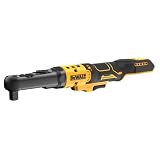
Battery compatibility is the first question. Most cordless tools are sold as bare tools for a specific battery platform, and a bare tool usually does not include a battery or charger. Check the exact platform and voltage printed on your existing batteries; a battery from one brand’s 18V system generally will not fit another brand’s 18V tool. Even within one brand, different voltage platforms may not be interchangeable.
If you already have two compatible batteries and a working charger, a bare tool often makes sense. The savings can be substantial compared with buying another starter kit, and you avoid accumulating chargers you do not need. But count the batteries you can actually spare. If the batteries are usually tied up in a drill or saw, a second tool may sit idle or force you to swap batteries in the middle of a job.
Battery age matters, too. A battery that holds a charge for only a few short cuts is not equivalent to a new one. If your existing pack is several years old, loses power quickly, or has a cracked case, include replacement cost in your calculation.
Compare the cost of a usable setup
Compare the price of the bare tool with the cost of the kit you would need to get started. Use current prices, since promotions can change the result. A kit that looks more expensive may include a battery and charger worth buying; a bundle with two batteries may be poor value if you will use only one.
| Buying situation | Likely better choice | What to check |
|---|---|---|
| You own a healthy, compatible battery and charger | Bare tool | Whether your battery has enough capacity for the job |
| You are entering a battery platform | Starter kit | Battery capacity, charger included, and warranty |
| You own the platform but need another battery | Compare bare-tool and battery-kit prices | Whether the bundle costs less than buying the battery separately |
| You need the tool for one short project | Whichever has the lower practical cost | Rental, borrowing, or a corded tool as alternatives |
For example, suppose a bare tool costs $120 and a kit costs $200, including a charger and a battery that would cost $90 separately. If you need both accessories, the kit saves about $10 before tax. If you already have them, the kit costs $80 more for items you may not use. These are simple comparisons: account for the value of included items only if you would otherwise buy them.
Match battery capacity to the work
Battery capacity affects runtime, weight, and often price. A small pack can be perfectly adequate for driving occasional screws, assembling furniture, or making a few cuts. It may be frustrating for repeated cuts in dense lumber, long drilling sessions, or other work that keeps a motor running. A larger battery can extend runtime, but adds weight; on an overhead drill or compact impact driver, that extra weight may matter more than the longer run time.
Think about the longest uninterrupted task, not just the tool’s headline power. A single small battery may be enough for a homeowner installing shelves. For a full day of deck work, one battery can mean frequent pauses while it charges. Two batteries let you alternate, though they add cost and are not worthwhile for occasional use. If the kit’s included battery is too small for the intended job, check the price of a more suitable pack before deciding.
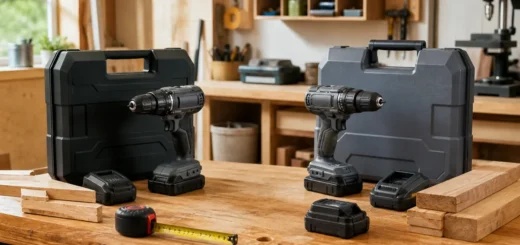
When starting a platform, compare cordless drill kits by the included battery capacity and charger, not just the tool count. A two-tool kit is not automatically a better deal if one tool is unnecessary or the batteries are undersized for your work.
Look for kit trade-offs and false savings
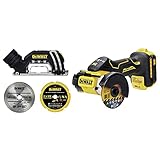
Kits can offer genuine savings, but their contents vary. Read the included-items list rather than relying on a large “multi-tool kit” label. Some bundles include only one battery, a basic charger, and a soft bag. Others add a second tool or a battery with more capacity. Compare each item with what you would buy separately, and check whether the seller and warranty terms are acceptable.
A bare tool can also cost more than expected once you add a battery, charger, and case. That is a common mistake when buying into a new brand or voltage platform. Before checkout, total those costs and compare them with a starter kit. For someone without compatible batteries, a battery-and-charger starter kit is often the safer way to begin—especially if you expect to add more tools on the same platform.
Do not buy a large kit just to get one attractive tool if the rest will stay boxed. Unused tools are not savings. But if the bundle’s extra tool replaces something you already planned to purchase, count its value. A useful extra battery may be worth more than an additional tool, particularly for work that requires continuous runtime.
Use seasonal sales carefully
Holiday promotions, spring project sales, and brand rebates can shift the balance. Compare the sale price of a kit with the current bare-tool price and the cost of its included battery and charger. Check rebate terms, expiration dates, and whether the discount applies to the exact product being sold. A “free battery” offer is useful only if that battery fits your tools and its capacity suits your work.
For a one-off task, buying a tool may still be the wrong economy. Renting or borrowing can beat even a discounted bare tool when the job takes an hour and you have no use for the tool afterward. On the other hand, if the tool will be used regularly, owning it may save repeat rental fees and make the next repair easier.
Make the decision with a short checklist
Choose a bare tool when you already have a compatible, healthy battery and charger, or when the bare-tool price plus any needed accessories remains lower than a kit. Choose a kit when you need to enter the platform, need another battery anyway, or can use the included tools. For demanding work, check whether the battery capacity and number of packs match the job; for occasional light work, avoid paying extra for runtime and accessories you are unlikely to use.
Before buying, write down the tool price, the cost of any missing battery and charger, and the value of kit items you would genuinely purchase. Then check compatibility, battery condition, warranty, and return terms. That quick calculation is more reliable than deciding by the number of tools in the box.