Best Value Combination Wrench Set for Home and Auto Repairs
What's inside
As an Amazon Associate I earn from qualifying purchases. This post may contain affiliate links at no extra cost to you.
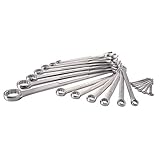
The best-value combination wrench set is usually a 12-piece SAE-and-metric set made from chrome vanadium steel, with a box end that fits snugly and sizes you’ll actually use. For most home repairs and occasional auto work, that beats buying a large, inexpensive set padded with rarely needed sizes. If you regularly work on vehicles, prioritize fit and coverage over the lowest shelf price.
As an Amazon Associate we earn from qualifying purchases at no extra cost to you.


Choose a size range that fits your work
Metric fasteners are common on newer cars, motorcycles, appliances and furniture. A useful starter metric range is 8–19 mm, though 20–22 mm can help with larger hardware. SAE sizes remain common on older American vehicles, lawn equipment and some household fixtures; a practical starter range is 1/4–3/4 inch.
Before buying, check what you need to maintain. A 10 mm wrench is a frequent automotive workhorse, while 13, 15 and 17 mm sizes are also useful. For household repairs, smaller metric and SAE sizes may matter more. Don’t substitute a near-fit size: a 9/16-inch wrench on a 14 mm fastener, for example, can slip and round the corners. Use the correct system and size.
If you own no wrenches, a 12-piece metric and SAE combination wrench set is a reasonable starting point. Buying separate metric and SAE sets can offer a better spread of sizes for similar money, but check the total price and storage space before choosing.
What good value means in a wrench
A combination wrench has an open end on one side and a box end on the other. The box end grips more sides of a fastener, so it is generally the better choice when you have access. A 12-point box end engages more easily when turning space is tight; a 6-point end is less likely to round a worn fastener under heavy force. For a general-purpose set, 12-point ends are convenient. If you routinely deal with stuck bolts, consider a 6-point set or add those sizes individually.
Chrome vanadium steel is standard in many affordable sets. The material name alone does not guarantee quality: machining, heat treatment and dimensional accuracy matter too. Look for clear size markings, smooth edges and a close fit on a known fastener. A wrench that rocks on the flats is a poor buy, even if it is inexpensive. Polished chrome cleans easily, but it can be slippery with oily hands. Keep a rag nearby and avoid using a wrench with a cracked or visibly distorted head.
For light household use, a budget set is often perfectly adequate. Paying more makes sense if you use the tools frequently, need consistent fit across the set or expect to work on corroded automotive hardware. An inexpensive wrench can slip when a fastener is rounded or seized; spending more does not make it safe to force a badly fitting tool. Apply penetrating oil, use the correct size and switch to a suitable socket or breaker bar when the job calls for it.
Set types compared
| Set type | Best for | Main trade-off |
|---|---|---|
| Budget 12-piece combination set | Basic household jobs and occasional repairs | May have uneven fit or omit useful sizes |
| Separate metric and SAE starter sets | Mixed home, older-vehicle and equipment work | Costs more and takes more storage space |
| Ratcheting combination set | Repeated turns where the wrench can stay on the fastener | Costs more; ratchet mechanism can be bulky or vulnerable to dirt |
| Professional-grade 6-point set | Frequent automotive work and stubborn fasteners | Higher upfront cost; less convenient engagement than 12-point |
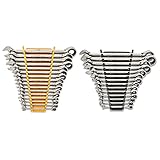
A conventional 12-point set is usually the best first purchase for a homeowner. Ratcheting wrenches save time in confined spaces, but they are not a replacement for a socket set and should not be treated as a way to apply unlimited force. If you want that convenience, compare a metric ratcheting combination wrench set against the cost of a standard set plus a few individual ratcheting sizes.
Brand and price trade-offs
Compare warranty terms, set contents and actual fit rather than assuming a familiar logo guarantees the best deal. Established tool brands often charge more for consistent finishing, availability of replacements and warranty support. A store-brand or lesser-known set can be good value for occasional use if it has a clear return policy and the wrenches fit properly. Check whether the advertised piece count includes a holder or duplicate sizes; a higher count is not automatically better coverage.
Price the set per usable wrench, not per listed piece. A 20-piece kit that skips several sizes you need can be worse value than a 12-piece set with a sensible range. Avoid buying solely because a kit is discounted from a high “regular” price. Compare current prices for similar size coverage, and read recent reviews for specific complaints about loose tolerances, rounded edges or missing sizes. A few isolated complaints are not proof of a pattern, but repeated reports of the same defect are a reason to pass.
When to buy and how to check it
Tool sets often appear in promotions around major shopping holidays and seasonal home-improvement sales. If you can wait, track the price of the exact size range for a few weeks rather than relying on a claimed markdown. Buying during a sale is worthwhile only if the set still matches your needs; a low price on an incomplete assortment is not savings.
When the set arrives, test the sizes you expect to use on clean, undamaged fasteners. The wrench should sit squarely with minimal rocking. Store it dry, wipe off road salt and oily residue, and return each wrench to its marked slot so missing sizes are obvious. For automotive work, use jack stands on a firm, level surface whenever a vehicle must be raised; never rely on a jack alone. A good-value wrench set can handle years of ordinary repairs, but correct fit, sensible use and safe work practices matter more than a bargain label.