Best Budget Handheld Planer for Trimming Sticky Doors
What's inside
As an Amazon Associate I earn from qualifying purchases. This post may contain affiliate links at no extra cost to you.
A sticking door does not always need a new hinge or a carpenter. If the problem is a few millimeters of swelling or a high spot along the edge, a handheld power planer can remove material quickly. The budget catch: a cheap planer can also take off too much, leave a scalloped edge, or chew up paint if you rush it.
For occasional door trimming, look for a corded planer with a 3-1/4-inch cutting width, a maximum cut around 1/16 inch per pass, and a usable fence. That combination is generally better value than paying extra for battery compatibility you may not need. A basic model is enough for a door or two a year; it is not a substitute for careful setup and test cuts.
As an Amazon Associate we earn from qualifying purchases at no extra cost to you.

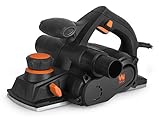

What to buy for occasional door work
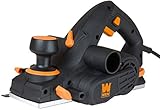
A corded 3-1/4-inch electric hand planer is the sensible budget category for most homeowners. These tools typically remove up to about 1/16 inch per pass, though the maximum setting is aggressive for a finished door. Start at roughly 1/64 to 1/32 inch and check the fit between passes.
Pay attention to more than the lowest price. The depth knob should move in clear increments and stay put during use. A fence helps keep the tool aligned with the door edge, and a dust bag or compatible vacuum port makes indoor work less messy. Check that replacement blades are easy to find before buying; a bargain tool is poor value if its blades are hard to source.
A cordless planer can be worth the premium if you already own batteries from the same tool platform or regularly work away from an outlet. If this is a one-off door repair, a corded tool usually costs less and avoids buying a battery and charger just for the job.
Budget options compared
| Option | Typical value | Best fit | Main trade-off |
|---|---|---|---|
| Basic corded hand planer | Lowest purchase cost; commonly around $40–$80, depending on brand and sales | One or a few doors, occasional DIY work | More vibration and less refined adjustment on some models |
| Better-built corded planer | Often around $80–$150 | Frequent use or several doors | Costs more than most homeowners need for a small trim job |
| Cordless planer | Tool-only price can be higher; battery and charger may add substantially | Existing battery-platform owners and mobile work | Poor value if you must buy into the battery system for one task |
| Hand plane or sanding block | Low cost if already owned | Very small adjustments and final fitting | Slower for removing several millimeters along a long edge |
Prices vary with sales, included accessories, and whether a cordless listing is tool-only. Compare the full kit price, not just the headline number. A basic corded budget planer with an edge fence is often the best buy when you need the tool now and do not expect regular use.
Check the door before removing wood
First identify where the door binds. Look for rub marks, then close the door slowly and note the tight spot. A door that sticks only when the weather is humid may be swollen; a loose hinge screw, sagging hinge, shifted strike plate, or warped door can create similar symptoms. Planing the wrong edge will not fix those causes.
Check the gap around the door and confirm that enough material can be removed without leaving an uneven reveal. If the door is hollow-core, avoid cutting deeply: its thin face and internal frame limit how much you can safely remove. Solid wood doors tolerate more trimming, but check for nails or metal hardware near the cut path. Remove the door from its hinges if practical, support it firmly, and protect the floor.
How to trim without making a mess
Mark the high spot and the amount to remove. Set the planer shallow, secure the door, and make a test pass on scrap if you are unfamiliar with the tool. Keep the planer base flat on the edge before starting the cut, feed it steadily, and ease off as you reach the far end. Tilting at entry or exit can create a dip that is difficult to disguise.
Work in several light passes rather than taking the full 1/16-inch cut at once. Refit the door after each few passes. A planer removes wood quickly; another pass takes seconds, while correcting an over-trimmed edge may mean adding a filler strip or repainting. Wear eye and hearing protection, and manage chips with a vacuum or dust bag. Do not wear loose clothing or gloves near the cutter.
Painted edges can chip. If the finish is sound and you want to reduce tear-out, score the cut line with a sharp knife first. Planing may expose bare wood, so allow for sealing and repainting the trimmed edge, particularly on an exterior door where moisture can enter.
When the cheapest planer is not the right buy
Skip a bargain power planer if you only need to shave a tiny amount from a short spot. A sharp hand plane, sanding block, or a few careful strokes with a rasp may cost less and give more control. Conversely, if several doors need repeated trimming, a sturdier model with smoother depth adjustment and readily available blades can save frustration. Price alone does not guarantee a better cut, but poor blade alignment or a loose adjustment mechanism can make a low-cost tool hard to control.
Buy around the work you actually have: for one sticking door, a basic corded planer is usually adequate, while a cordless model makes sense when its batteries are already in your shop. If you are still comparing formats, browse corded and cordless hand planer options and compare accessories, blade availability, and return terms alongside price. Use a light cut, check the fit often, and stop as soon as the door closes freely.