How to Make a Seasonal Tool Buying List for Home Maintenance
What's inside
As an Amazon Associate I earn from qualifying purchases. This post may contain affiliate links at no extra cost to you.
A seasonal tool list should start with the work your house actually needs, not a sale flyer. A homeowner who cleans gutters, patches walls, and maintains a small yard may need only a few reliable tools. Buying for every possible repair ties up money and closet space—and leaves batteries, blades, and seals aging before they are used.
Build the list around tasks due in the next 12 months. Then compare the cost of buying a tool with borrowing or renting it. For occasional jobs, a $40 rental can beat a $200 purchase; for a task you repeat every season, ownership may pay off quickly.
Start with a maintenance calendar
Write down jobs by season and note what each one requires. Spring might bring pruning, deck repairs, and checks for leaks. Summer may mean mowing, fence work, and exterior painting. Fall is often the time for gutter cleaning, weatherstripping, and leaf cleanup. Winter shifts work indoors to draft sealing, plumbing fixes, and basic repairs.
For each job, record whether you already have the tool, whether it is safe to use, and how often you expect to use it. A tool that failed during its last job belongs on the list; a tool you used once five years ago probably does not. Check blades, cords, batteries, guards, and handles before counting an old tool as usable.
Rank the jobs before shopping
Mark each task as safety-critical, time-sensitive, or optional. A damaged extension ladder or a missing smoke-detector battery deserves attention before a cosmetic fence project. This ranking keeps seasonal sales from turning low-priority wants into supposed necessities.
Next, estimate use. If a tool will see at least three or four jobs a year, buying can be reasonable. If you need a drain auger once, compare rental rates first. Specialty equipment such as floor sanders and large tillers can cost hundreds of dollars and occupy valuable storage space. A local rental may include accessories you would otherwise need to buy separately.
Choose what to buy
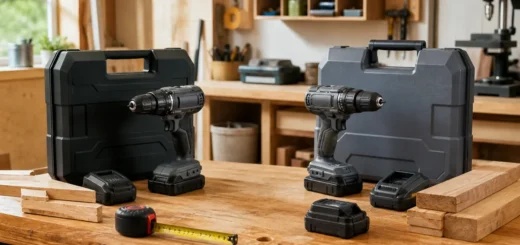
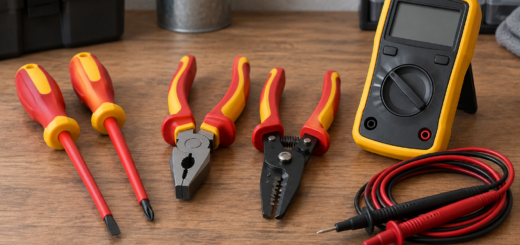
Start with dependable basics: a tape measure, utility knife, adjustable wrench, pliers, screwdrivers, a hammer, and a level. For home repairs, a cordless drill-driver kit is useful for repeated fastening and pilot holes. For occasional furniture assembly, a manual screwdriver set may be enough; a powered tool is not automatically a better value if it will sit unused.
Buy task-specific tools only when the task is real. A corded hedge trimmer can be a sensible low-cost choice for a small yard near an outlet. It avoids battery expense but limits reach and requires careful cord management. A battery model is easier to move around, though a spare battery can add $50 to $150 to the purchase.
Compare total cost, not sticker price
Prices vary by sale and region, but these typical ranges help frame a decision. Include consumables and accessories, not just the tool body.
| Tool or option | Typical cost | Often a good value when | Trade-off to check |
|---|---|---|---|
| Basic hand-tool set | $25–$70 | You need occasional household fixes | Very cheap bits and soft metal can round or bend |
| Cordless drill-driver kit | $80–$200 | You expect regular drilling and fastening | Battery platform affects future tool costs |
| Leaf blower | $60–$250 | You clear leaves several times each fall | Battery, noise, and runtime vary widely |
| Specialty-tool rental | $30–$100 per day | You need the tool once or twice | Transport, deposits, and late fees can add up |
When comparing brands, look at the warranty, service access, included batteries, and replacement-part availability. A low-priced tool can be a good buy for light work, but a broken charger or unavailable battery may erase the savings. For a tool used weekly, spending more for a replaceable battery and accessible service can be worthwhile. For a tool used twice a year, a basic version may be entirely adequate.
Time purchases around the season
Buy before the work becomes urgent. Shop for snow tools before the first storm and for watering or pruning gear before spring yard work begins. In-season demand can narrow choices and push prices up. End-of-season clearance may offer better prices, but inspect the return window and confirm that batteries or accessories are included.
Promotional bundles can look generous while including a small battery or low-value accessories. Compare the kit with the bare tool plus the battery you actually need. If a bundle costs $30 more but includes a second battery that sells separately for $70, it may be strong value—provided the battery fits tools you plan to own.
Budget for consumables and safety
Blades, drill bits, sanding discs, caulk, and protective gear are part of the job cost. A bargain saw is frustrating if its included blade tears the material; set aside roughly $10–$30 for a better blade when finish quality matters. For yard equipment, dull blades and dirty filters can reduce performance and strain the motor.
Do not economize on safety gear. Safety glasses commonly cost under $15, and hearing protection is a small expense compared with preventable injury. Check ladder condition, tool guards, and cord insulation before each use. A damaged cord, cracked handle, missing guard, or swollen battery is a reason to stop using the tool, not a reason to finish one last job.
Make the list actionable
Keep a simple spreadsheet with the task, deadline, tool needed, current condition, estimated price, and buy, borrow, or rent decision. Add a maximum price and the accessories required. Review it at the start of each season, then remove completed tasks and revise estimates.
That short review prevents duplicate purchases and makes sales easier to judge. If the price is above your limit and the task can wait, keep the money. If a tool is needed immediately but used rarely, rent it. Buy when repeated use, reliable availability, and the full cost of ownership make the numbers work.