How to Tell Whether a Multi-Tool Kit Saves Money
What's inside
As an Amazon Associate I earn from qualifying purchases. This post may contain affiliate links at no extra cost to you.
A multi-tool kit can look like a bargain because its box price is lower than the sum of the tools listed on the label. That comparison often misses the costs that matter: batteries, charger, accessories, tools you will never use, and what it costs to replace a worn part. A kit saves money only when its useful contents match jobs you expect to do—and when you can use them without buying a second set of essentials.
Count the tools you’ll actually use
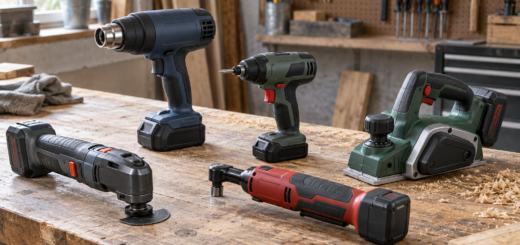
Start with a list of jobs, not the number of pieces in the case. A homeowner who needs a drill, impact driver, circular saw, and work light may get real value from a four-tool bundle. If the remaining tools are a radio and a rarely used reciprocating saw, their presence does not automatically make the kit a better deal.
Estimate use over the next two or three years. A tool for one small project may be cheaper to rent or borrow. A tool you expect to use monthly is more likely to justify owning, particularly if it shares batteries with equipment you already have. Be realistic about accessories, too: a kit with several bare tools may still need bits, blades, or a saw guide before you can start.
Compare the real cost, not the tool count
Price each useful item at a comparable quality level. Then account for what the bundle includes. A “bare tool” has no battery or charger; a kit with one small battery may run a saw for only a short time under heavy load. Don’t compare a discounted bundle with premium standalone tools unless that difference in performance is relevant to your work.
| Cost or feature | What to check | Why it matters |
|---|---|---|
| Useful tools | Which tools match planned jobs? | Unused tools contribute little practical value. |
| Batteries and charger | How many batteries, what capacity, and whether a charger is included | Extra batteries can add substantial cost and reduce downtime. |
| Accessories | Are blades, bits, or guides included and suitable? | Low-quality consumables may need quick replacement. |
| Replacement and warranty | Availability of batteries, service, and covered repairs | A cheap kit is less attractive if a failed battery is hard to replace. |
For example, imagine a kit costs $300 and contains four tools, but you value only two. If buying those two tools separately, with the batteries and charger you need, would cost $240, the kit’s apparent $75-per-tool price is misleading. On the other hand, if the same bundle costs $260 and includes a second battery you would otherwise buy for $70, the kit may be the better purchase even if one tool stays in the case.
Check the battery system
Battery compatibility can turn a good deal into an expensive one. If you already own cordless tools, check whether the kit uses the same battery platform. A bundle from another brand may mean paying for a new charger and batteries—and maintaining two systems. A second platform can still make sense if the kit is deeply discounted or the tools fill a real gap, but include those startup costs in your calculation.
Capacity matters as well as battery count. A compact battery is lighter and often fine for a drill, driver, or occasional task. A circular saw or grinder can drain a small battery quickly, especially when cutting dense material or working continuously. Check whether the kit includes a battery suited to its highest-draw tool. If not, price a larger compatible battery before deciding.
If you are starting from scratch, compare a cordless combo kit with batteries and charger against buying the few tools you need individually. If you already own compatible batteries, compare the kit price with bare tools on your battery platform. The right comparison depends on what you already own, not just the sticker price.
Watch for hidden trade-offs
Bundles sometimes pair a capable drill with lower-spec versions of other tools, or include a small battery to keep the advertised price down. That is not automatically a problem for light household use. It matters if you expect repeated framing cuts, long sanding sessions, or work where a tool will be used hard. Look up the specifications for each included tool rather than assuming all items in a set match the quality of its best-known tool.
Also consider storage and consumables. A case is useful if it protects tools and fits your space, but a molded case may not accommodate extra batteries or blades. Oscillating tools and reciprocating saws can consume blades quickly in demolition work; a handful of starter blades is not a lifetime supply. A compatible oscillating-tool blade assortment may be a separate cost, but buy blades suited to the material rather than choosing solely by quantity.
Account for wear, warranty, and replacement
Every tool can fail, but serviceability affects value. Check the warranty terms, how claims are handled, and whether batteries and common replacement parts are sold separately. A battery that loses useful runtime after years of work is normal wear; a bundle is less appealing if replacing it means buying another full kit. Keep receipts and note the warranty period, because coverage can differ between tools, batteries, and chargers.
For a homeowner using tools occasionally, a lower-priced kit may be the sensible choice even if it is heavier, slower, or less refined. For daily or trade use, downtime and battery life matter more than the lowest upfront cost. A single failed tool can delay paid work, so compare service access and the cost of keeping a backup—not just purchase price.
Time the purchase without chasing a discount
Seasonal promotions can improve kit value, particularly around major holiday sales and spring project season. Track the price of the bundle and its key tools for a few weeks if the purchase is not urgent. A “sale” is not useful if the kit includes tools you do not need or replaces a platform you already own. Check return terms before buying, especially for bundles where removing one item can affect the return.
Use a simple test: add the current prices of the tools you will use, the batteries and charger you need, and essential accessories. Compare that total with the kit price. Treat unwanted tools as having little or no value unless you have a realistic plan to sell or give them away. If the kit still costs less—and its battery system, performance, and support fit your work—it saves money. If not, buy fewer tools and keep the difference for better batteries, blades, or the next tool you actually need.