
What's inside
- Top Picks at a Glance
- Comparison Table
- What a Worm Drive Saw Actually Does Differently
- 1. SKILSAW SPT77WML: Best for Everyday Framing
- 2. Makita 5477NB: Best Hypoid Alternative
- 3. Bosch CSW41: Best Value Worm Drive
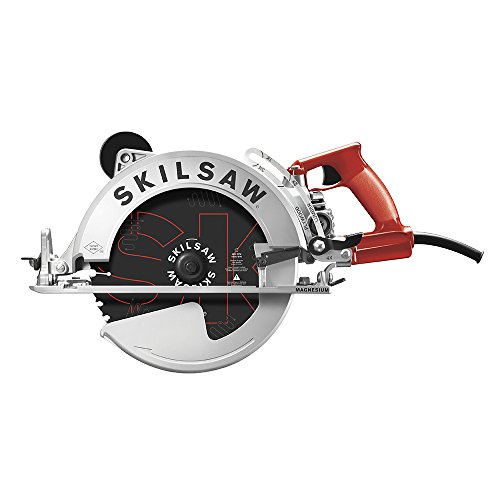
- 4. SKILSAW SPT78W-01: Best for Heavy Framing Stock
- 5. Metabo HPT C7WDM: Best Budget Pick
- 6. DEWALT FLEXVOLT 60V MAX DCS577B: Best Cordless Worm-Style Saw
- 7. Milwaukee M18 FUEL 2830-20: Best Cordless Rear-Handle Alternative
- Also Consider
- Corded vs Cordless Worm Drive Saws: Where Each Fits
- How We Chose
- Buying Guide
- Common Mistakes When Buying a Worm Drive
- Frequently Asked Questions
- Which One Should You Buy?
- Sources
As an Amazon Associate I earn from qualifying purchases. This post may contain affiliate links at no extra cost to you.
The best worm drive circular saw for most framers and remodelers is the SKILSAW SPT77WML, a 15-amp, 7-1/4-inch corded saw with a magnesium housing that is billed as the lightest in the class. The runner-up is the Makita 5477NB hypoid saw, which trades a little weight for a sealed, low-maintenance gear case. If you want to cut the cord, the DEWALT FLEXVOLT worm-style saw and the Milwaukee M18 FUEL rear-handle saw are the two cordless routes worth a look. This guide to the best worm drive circular saws, and the best worm drive saws more broadly, explains who each saw suits, what the specs mean on a job, and when a regular sidewinder is the smarter buy.
This is a different question from the sidewinder-versus-worm-drive comparison you may have read elsewhere. Here we assume you have already decided you want the rear-handle, gear-driven layout and you need to choose between models. We did not personally use these products; this guide is research-based, built from manufacturer spec sheets, retailer listings and independent reviews named in the Sources section. Where a figure is not consistently published, we say “not listed” instead of guessing.
As an Amazon Associate we earn from qualifying purchases at no extra cost to you.


Our Top Picks
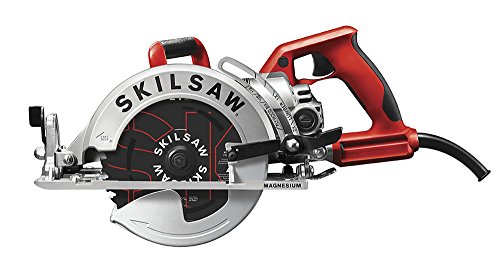 SKILSAW SPT77WML-01 15-Amp 7-1/4-Inch Lightweight Worm Drive CircularOne Size20.5 x 7.75 x 8.75 inches11.5 poundsCheck on Amazon
Top Picks at a Glance
- Best Overall: SKILSAW SPT77WML, the lightweight magnesium corded worm drive.
- Best Hypoid Alternative: Makita 5477NB, for a sealed gear case and a smoother, quieter feel.
- Best Value Worm Drive: Bosch CSW41, a corded worm drive with a magnesium foot plate.
- Best for Heavy Framing Stock: SKILSAW SPT78W-01, the 8-1/4-inch blade option.
- Best Budget Pick: Metabo HPT C7WDM, a corded 7-1/4-inch worm drive that includes a framing blade.
- Best Cordless Worm-Style Saw: DEWALT FLEXVOLT 60V MAX DCS577B, tool only.
- Best Cordless Rear-Handle Alternative: Milwaukee M18 FUEL 2830-20, bare tool.
Comparison Table
| Product | Best for | Key specs | Watch for | Price tier |
|---|---|---|---|---|
| SKILSAW SPT77WML | Daily framing and remodeling | 15-amp, 7-1/4 in, magnesium housing, about 11.5 lb listed | Weight varies by source; check the spec sheet | Mid-range |
| Makita 5477NB | Users who want a hypoid gear case | 15-amp, 7-1/4 in, about 4,500 RPM | Heaviest of the corded group by most accounts | Mid-range |
| Bosch CSW41 | Value-minded carpenters | 15-amp, 5,300 RPM, 53 degree bevel, magnesium foot plate | Weight and blade size reported inconsistently | Mid-range |
| SKILSAW SPT78W-01 | Thick beams and posts | 15-amp, 8-1/4 in blade, aluminum housing | Depth of cut: not listed here | Mid-range |
| Metabo HPT C7WDM | Budget-conscious crews | 15-amp, 7-1/4 in worm drive, 24T framing blade included | Fewer published details than the leaders | Mid-range |
| DEWALT DCS577B | Cutting without a cord on framing jobs | FLEXVOLT 60V MAX, worm style, 7-1/4 in, tool only | Battery and charger are extra | Premium (with batteries) |
| Milwaukee M18 FUEL 2830-20 | M18 owners who want rear-handle ergonomics | M18 FUEL, 7-1/4 in, rear handle, bare tool | Battery and charger are extra | Premium (with batteries) |
What a Worm Drive Saw Actually Does Differently
A worm drive saw puts the motor behind the blade, in line with the handle, and transfers power through a worm gear. That layout gives the saw a long, narrow body, more torque at the blade and a lower blade speed than a typical sidewinder. In practice you feel it as steady, unhurried power when the blade is buried in wet framing lumber or a doubled-up header. The blade also sits on the left side of the saw on most models, which many right-handed users prefer because they can see the cut line without leaning over the motor.
The trade-offs are weight, length and upkeep. Gear-driven saws are usually heavier than sidewinders, and many true worm drives ask you to check or change the gear oil from time to time, so read the maker’s manual for the interval. Hypoid saws such as the Makita use a different gear shape in a sealed case and are generally promoted as lower maintenance, though the same advice applies: follow the manual. The rest of this guide assumes you are comfortable with that trade.
It also helps to know what the layout does not give you. It does not make the saw more accurate by itself; accuracy still comes from a flat base plate, a blade that is square to the shoe, and a straight guide. It does not make a dull blade cut well; torque only hides a bad blade until it burns the wood. And it does not remove the need to support the offcut, because a pinched blade is a pinched blade whatever the gearbox looks like. Think of worm drive as a tool for reducing the strain of rough, repetitive framing cuts, not as a magic upgrade for every job.
1. SKILSAW SPT77WML: Best for Everyday Framing
- 15-amp motor, 7-1/4-inch blade
- Magnesium housing; listed around 11.5 lb by retailers
- Up to 5,300 RPM and a 53 degree bevel capacity according to published specs
- Maximum depth of cut at 90 degrees around 2-3/8 inches
- Includes a 24-tooth carbide framing blade per retailer listings
Best for: carpenters, deck builders and remodelers who spend most of the day cutting 2x lumber and plywood.
Skip if: you mostly make fine finish cuts, or you want the smallest possible saw to carry up a ladder all day.
This is the saw most people picture when they hear worm drive. The magnesium housing is what keeps the weight down, and weight is the number that matters most over a long day of overhead and awkward cuts. Retailer listings put it at about 11.5 pounds, which is light for the category, but figures differ between sources, so confirm on the maker’s spec sheet before you buy if weight is your deciding factor.
The 2-3/8 inch depth of cut at 90 degrees handles a standard 2x with room to spare. That makes it a good fit for rafters, joists and sheathing, which is the work these saws were built for. The 53 degree bevel capacity helps with compound roof cuts where a 45 degree stop is not quite enough.
The rear handle position keeps your wrist in a natural line with the cut, and the long body gives the saw a stable feel in a straight rip. The usual worm drive rules apply: check the gear oil per the manual and keep the blade guard moving freely. If you only buy one saw from this list, this is the one most crews would recognize and know how to service.
Pros
- Light for a worm drive
- Strong torque for framing lumber
- Wide bevel range
- Familiar layout for crews that already use this style
Cons
- Cord limits freedom on open roofs
- Gear care required
- Weight figures vary between sources
2. Makita 5477NB: Best Hypoid Alternative
- 15-amp, 7-1/4-inch hypoid saw
- About 4,500 RPM
- Approximately 2-3/8 inch depth at 90 degrees and 1-3/4 inch at 45 degrees according to listings
- Weight reported as roughly 14 lb
- Rust-resistant steel housing
Best for: users who want the rear-handle layout with a sealed gear case and a calmer, quieter feel.
Skip if: weight is your top priority, since it is the heaviest of the corded saws here by most accounts.
Hypoid is the Makita name for its worm-drive-style layout, and it works on the same principle: the motor sits behind the blade and the gears do the heavy lifting. The slower 4,500 RPM figure suggests a saw that leans on torque more than speed, which can be a benefit in dense or damp lumber where a faster blade tends to bind.
The steel housing should handle knocks on a busy site, but it also explains the extra pounds. If you cut all day, try to hold one in a store before you commit, or at least compare the published weight with a magnesium saw. For occasional heavy work, the added mass can actually calm the saw down and reduce chatter.
Makita’s listing and independent reviews describe the gear case as sealed, so routine maintenance should be light, but follow the manual for what the maker recommends. A lower blade speed also tends to mean less noise, which matters if you are working in a residential neighborhood.
Pros
- Smooth, torque-forward cutting
- Sealed gear case
- Sturdy housing
Cons
- Heavy
- Lower RPM may feel slow on thin sheet stock
3. Bosch CSW41: Best Value Worm Drive
- 15-amp, 120 V motor
- Up to 5,300 RPM
- 53 degree maximum bevel
- Magnesium motor housing and foot plate
- Cord listed at 8 feet; blade size shown as 7 or 7-1/4 inch depending on the source; weight: not consistently listed
Best for: homeowners and small contractors who want a real worm drive without paying for a framing-crew brand name.
Skip if: you need a documented, consistent weight and blade spec before buying; sources disagree here, so verify with Bosch.
The Bosch CSW41 matches the headline numbers of the SKILSAW: 15 amps, 5,300 RPM and a 53 degree bevel. One reviewer likens it to a SKILSAW without the dual-field motor design, which is a useful way to think about it. The magnesium foot plate and motor housing are a good sign for durability and weight.
Where it falls down is documentation. Different retailers list different weights, and the blade size is shown as 7 inch on one site and 7-1/4 inch on others. That does not make it a bad saw, but it does mean you should confirm the blade diameter and arbor before you order spare blades.
If you can live with that, it is a sensible way into worm drive territory for decks, fences and general framing, and the short list of accessories is no problem if you already own good blades.
Pros
- Same headline specs as the pricier leaders
- Magnesium components
- Wide bevel range
Cons
- Inconsistent published weight and blade size
- Fewer accessories mentioned
4. SKILSAW SPT78W-01: Best for Heavy Framing Stock
- 15-amp motor
- 8-1/4-inch blade
- Aluminum worm drive housing
- Depth of cut at 90 degrees: not listed here
- Weight: not listed here
Best for: builders working with thick timbers, 4x material and glulam where the extra blade diameter buys real depth.
Skip if: you mostly cut standard 2x lumber; the larger blade adds cost, weight and a different blade size to stock.
A larger blade means more reach, which matters when you are crossing a 4×4 in one pass or cutting through stacked sheathing and framing at once. The SPT78W-01 is the bigger sibling of the saws above. Because we could not verify an official depth number from a manufacturer page, treat any specific depth figure you find with caution and check the spec sheet.
The aluminum housing is sturdy, though usually heavier than magnesium. Blade selection is also narrower for 8-1/4 inch saws, so check that your preferred framing blade comes in this size before you commit.
If you keep a 7-1/4 inch saw for general work and want a second one for the big stuff, this is a logical pairing.
Pros
- Extra blade diameter for thick stock
- Same proven layout
- Rugged housing
Cons
- Heavier than the 7-1/4 inch options in general
- Fewer blade choices
5. Metabo HPT C7WDM: Best Budget Pick
- 15-amp motor
- 7-1/4-inch worm drive
- Includes a 24-tooth framing blade according to the listing
- Weight and bevel range: not listed here
Best for: first-time worm drive buyers and crews outfitting extra saws without a big spend.
Skip if: you want a long public record of long-term durability reports; the published detail here is thinner.
The C7WDM is a corded 7-1/4 inch worm drive that includes a framing blade, so you can start cutting out of the box. It aims at the same user as the more expensive names but with fewer published details. For people who just need worm drive torque for a deck or a garage build, that may be all they need.
Because the listing does not state weight or bevel range, check the maker’s spec sheet. Compare it with the SKILSAW and Bosch, both of which publish a fuller spec set.
A budget worm drive can still be a good buy if you use it a few times a month rather than eight hours a day.
Pros
- Worm drive layout at a gentler price tier
- Framing blade included
- Familiar 7-1/4 inch size
Cons
- Less published information
- Brand is less associated with framing crews
6. DEWALT FLEXVOLT 60V MAX DCS577B: Best Cordless Worm-Style Saw
- FLEXVOLT 60V MAX platform
- Worm-style gearing, 7-1/4-inch blade
- Tool only: battery and charger sold separately
- Weight, RPM and depth of cut: not listed here
Best for: framers who want worm drive feel on a roof or in a stud wall without dragging a cord.
Skip if: you do not already own FLEXVOLT batteries; the platform cost adds up quickly.
Cordless worm-style saws exist to solve one problem: cords on roofs. The DCS577B takes that worm drive layout and powers it from a FLEXVOLT battery, which can also run DEWALT’s other 20V MAX tools. The listing refers to it as a “worm style” saw, which tells you it copies the in-line motor layout.
Because it is sold as a bare tool, factor in the battery. A kit with a battery exists, but its cost is noticeably higher. Runtime depends on the battery size and the wood, and we did not find a reliable independent figure to quote.
If you are already in the DEWALT 60V world, this is a natural fit. If you are not, a corded saw is the cheaper route.
Pros
- No cord
- Worm-style layout
- Works with FLEXVOLT batteries
Cons
- Battery and charger extra
- Platform commitment
7. Milwaukee M18 FUEL 2830-20: Best Cordless Rear-Handle Alternative
- M18 FUEL platform
- 7-1/4-inch blade
- Rear handle layout
- Bare tool listing
- RPM, weight and depth: not listed here
Best for: M18 owners who want a rear-handle cordless saw with the familiar balance of a framing saw.
Skip if: you want a true worm gear; this is a rear-handle design, and we could not confirm the gear type from the listing.
Rear-handle cordless saws bring the in-line ergonomics of a worm drive without a cord. The Milwaukee version runs on the common M18 battery, which is a big advantage if your other tools already use it. The listing is short on numbers, so check Milwaukee’s spec page for blade speed and cutting capacity.
We include it because many buyers searching for a worm drive actually want the handle position and balance, not the gears. If that describes you, this is the cordless option to compare against the DEWALT.
Be honest with yourself about the work. For heavy daily framing, a corded saw still has more headroom.
Pros
- M18 battery compatibility
- Rear handle balance
- No cord
Cons
- Battery and charger extra
- Not clearly confirmed as a worm gear design
Also Consider
Makita XSR01Z 36V (18V x2) Rear Handle Saw
A cordless rear-handle option for Makita LXT owners that uses two 18V batteries. Specs beyond the voltage layout are not listed here, so check the maker’s page.
SKIL SPT70V Magnesium Worm Drive 16-5/16 Inch Saw
An outsized specialty saw for cutting large timbers in one pass. It is overkill for most homeowners, but it shows how far the worm drive concept can scale.
SKIL SPT77W-22 Worm Drive Saw
A corded 7-1/4 inch worm drive from the same family as the SPT77WML. Check how it differs in housing material and weight before you choose between them.
FLEX 24V Brushless Rear Handle Circular Saw Kit
A cordless rear-handle saw sold as a kit with a stacked battery. Interesting if you are shopping outside the big three cordless platforms.
Corded vs Cordless Worm Drive Saws: Where Each Fits
The corded 15-amp saws in this guide give you unlimited run time and the most torque per dollar. They suit shops, garages, deck builds and any job with power nearby. The cost is the cord: you manage it, you can cut it, and on a roof it can snag. Cordless worm-style and rear-handle saws remove that hassle and let you keep moving, which is why framing crews have embraced them for roof and wall work. The price is the battery platform. If you already own the right batteries, the extra spend is small; if you do not, you are buying a charging ecosystem as well as a saw. A common compromise is to keep one corded worm drive for heavy rips and one cordless saw for quick cuts.
How We Chose
We started with the products in the store that are described as worm drive, hypoid or rear-handle 7-1/4 inch saws, then trimmed the list to a spread of price tiers and brands, with no more than two per brand. We read manufacturer spec sheets and retailer listings, then compared them against independent roundups from sites such as Chainsaw Journal, Sensible Digs and Plumb and Lined. We did not personally use these products. When sources disagreed, as they did on the Bosch weight and blade size, we said so rather than choosing a number.
Buying Guide
Weight and Balance
Weight is the single biggest practical difference between worm drive saws. Corded models in this class run roughly from the low 11 pound range to around 14 pounds in published figures, and a pound or two matters over a full day. Light magnesium saws are easier overhead; heavier steel ones can feel more planted in a long rip. If you cannot hold a saw before buying, read the maker’s own weight figure rather than a retailer’s, since third parties often include or exclude the cord and blade.
Blade Size and Depth of Cut
Seven and a quarter inches is the standard for framing and will cut a 2x in one pass with a little margin at 90 degrees. Move to 8-1/4 inches only when you regularly cut 4x stock or want to cut through stacked material. Remember that the depth at 45 degrees is always smaller; Makita’s listing, for example, gives about 1-3/4 inches at 45 degrees against roughly 2-3/8 inches at 90 degrees. Check the bevel cut capacity if you build roofs or stairs.
Corded or Cordless
A 15-amp corded worm drive is the lowest-cost way to get strong, steady power, and it never runs out of charge. Cordless worm-style saws are worth it if cords slow you on roofs or you already own the batteries. Without those batteries, the platform cost can exceed the saw itself.
Gear Care
True worm drives use oil in the gear case. Most makers recommend checking the level and replacing the oil at an interval stated in the manual, usually tied to hours of use. Hypoid cases are described as sealed, but the manual still governs. Skipping this is the quickest way to shorten the life of a good saw. Keep a small bottle of the recommended oil in your tool bag and look for leaks around the gear case after a long season of use.
Blades and Accessories
The saw is only half the system. A 24-tooth carbide framing blade is the default for dimensional lumber, and a thin-kerf version reduces the load on cordless motors. For plywood and finish carpentry, move to a blade with more teeth. Look for a saw that takes a standard 5/8 inch arbor so that blade choices stay wide, and keep a spare blade in the case; swapping a dull blade for a sharp one improves cut quality more than any spec on the sheet.
Safety Basics
Worm drive saws are powerful. Clamp or support the work, keep the cord clear of the blade, let the blade reach full speed before the cut, and unplug or remove the battery before changing blades. Wear eye and hearing protection, and read the manufacturer’s safety instructions. Kickback can happen with any circular saw, and heavier saws do not prevent it.
Common Mistakes When Buying a Worm Drive
- Buying on horsepower claims. Amps tell you less than gearing, blade and weight.
- Ignoring the blade. A 24-tooth framing blade is better for speed; a higher tooth count gives smoother cuts in plywood.
- Forgetting that the blade sits on the left on many models, which changes how you align a cut line if you are used to a sidewinder.
- Assuming cordless equals equal power. Check the voltage platform and your batteries first.
- Skipping the gear oil check, which is the most common way these saws wear out early.
Frequently Asked Questions
What is the best worm drive circular saw overall?
The SKILSAW SPT77WML is the best all-round pick in this guide because it combines the in-line motor layout with a magnesium housing that keeps weight down. The Makita 5477NB is the strongest alternative if you prefer a sealed hypoid gear case.
What are the best worm drive saws for a beginner?
The Bosch CSW41 and Metabo HPT C7WDM are the more approachable options in price tier, though a beginner doing light work may be just as well served by a lighter sidewinder. Worm drive saws shine in heavy framing.
Is a worm drive saw better than a sidewinder?
Not always. A worm drive offers more torque and better line-of-sight for many right-handed users, but it is generally heavier and may need gear oil upkeep. A sidewinder is lighter and cheaper.
Do cordless worm drive saws exist?
Cordless saws marketed as worm style or rear handle exist, such as the DEWALT DCS577B and the Milwaukee 2830-20, but they use batteries and electric motors in a similar layout rather than identical gearing in every case. Check each maker’s description.
How often should I change the oil in a worm drive saw?
Follow the manufacturer’s manual, since intervals differ by model. Hypoid and sealed designs may call for less frequent attention than traditional worm drives.
What blade should I use on a worm drive saw?
A 24-tooth carbide framing blade is the common choice for dimensional lumber. For plywood or trim work, a blade with more teeth leaves a cleaner edge. Always match the blade diameter and arbor size to your saw.
Are worm drive saws safe for beginners?
They can be used safely with proper technique, but their power and weight demand respect. Read the manual, support the workpiece and use protective equipment. If you are unsure, ask an experienced carpenter for a demonstration.
Which One Should You Buy?
If you cut framing lumber for a living or on large DIY builds, buy the SKILSAW SPT77WML. If you prefer a sealed gear case and do not mind extra weight, choose the Makita 5477NB. If budget matters, look at the Bosch CSW41 or the Metabo HPT C7WDM after checking the exact blade size and weight. Pick the SPT78W-01 only if you routinely cut thick timbers. Go cordless with the DEWALT DCS577B or the Milwaukee 2830-20 if you already own the batteries and work on roofs or sites without power.
Sources
- SKILSAW product specification pages
- Makita 5477NB product page
- Bosch Power Tools CSW41 product page
- Chainsaw Journal, best worm drive circular saw roundup
- Sensible Digs, worm drive saw roundup
- Plumb and Lined, best worm drive saw guide
Last updated: October 2026
Related guides
More from Amazon
Programs that pair well with the guide above. Offers and eligibility are set by Amazon and may change.
A free business account with business pricing and bulk-buying tools for work, shop or home office.
Create a business accountFree shipping on eligible items, Prime Video and more. Eligible new members can start with a free trial.
Start a Prime free trialAudiobooks and podcasts to listen to on the go. Eligible new members can start with a free trial.
Try Audible freeAd-free music streaming. Eligible new subscribers can start with a free trial.
Try Music Unlimited freeAs an Amazon Associate we earn from qualifying purchases.

Write Your Review
No reviews yet. Be the first to share your experience!