
What's inside
- Top Picks at a Glance
- Quick Comparison Table
- 1. Husqvarna 120 Mark III: Best Overall Gas Chain Saw
- 2. VEVOR 62CC 20-Inch Gas Chain Saw: Best Budget Gas Power for Big Cuts
- 3. WEN CP1518 Corded Electric Chain Saw: Best Corded Electric Chain Saw
- 4. Oregon CS1500 Self-Sharpening Electric Chain Saw: Best Self-Sharpening Electric
- 5. Snowpine Dual-Chamber Chain Saw Fuel and Bar Oil Can: Best Fuel Can for a Chain Saw
- 6. Oregon Yukon Left-Hand Protection Leather Gloves: Best Basic Safety Gloves
- 7. POWGRN 50 ft 12/3 Outdoor Extension Cord: Best Extension Cord for Corded Saws
- Also Consider
- Other Saws People Ask About
- How We Chose
- Buying Guide
- Common Mistakes
- Frequently Asked Questions
- Which One Should You Buy?
- Sources
As an Amazon Associate I earn from qualifying purchases. This post may contain affiliate links at no extra cost to you.
The Husqvarna 120 Mark III is the best all-round gas chain saw in this guide for homeowners who cut firewood and storm limbs a few times a year, and the WEN CP1518 is the best corded electric chain saw for people who want less maintenance and a lower price tier. The rest of the picks cover what most “best chain saws” lists skip: a dual-chamber fuel and bar oil can, left-hand protective gloves, and a heavy-duty 12-gauge extension cord. If you came here asking about the best gasoline chain saws, the best deal for chain saws, the best electric saws for cutting wood, the best gas cans for chain saws, the best gloves for saws, or the best gauge extension cord for a circular saw, each is answered below, together with a short section on saws we did not cover (lapidary, EDM and granite bridge saws).
This guide is research-based. We did not personally use these products. Specs come from product listings and maker descriptions; anything not published is marked “not listed.” We also do not cite current deals, discounts or sale events, because those change daily and we cannot verify them.
As an Amazon Associate we earn from qualifying purchases at no extra cost to you.


Our Top Picks
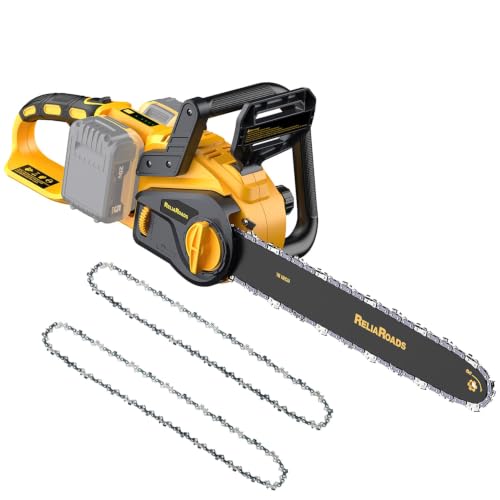 ReliaRoads 16-Inch 40V Brushless Cordless Chainsaw for DeWalt16 x 9 x 7 inches10.5 PoundsCheck on Amazon

Top Picks at a Glance
- Best Overall Gas Chain Saw: Husqvarna 120 Mark III (38 cc, 16-inch bar).
- Best Budget Gas Power for Big Cuts: VEVOR 62CC 20-inch gas chain saw.
- Best Corded Electric Chain Saw: WEN CP1518 (15-amp, 18-inch).
- Best Self-Sharpening Electric: Oregon CS1500 (15-amp).
- Best Fuel Can for a Chain Saw: Snowpine dual-chamber chain saw fuel and bar oil can.
- Best Basic Safety Gloves: Oregon Yukon left-hand protection leather gloves.
- Best Extension Cord for Corded Saws: POWGRN 50 ft 12/3 outdoor extension cord.
Quick Comparison Table
| Product | Best for | Key specs (from listing) | Watch for | Price tier |
|---|---|---|---|---|
| Husqvarna 120 Mark III | Homeowner firewood and limbing | 38 cc, 2-cycle X-Torq engine, 16-inch bar, automatic oiler | Needs mixed fuel and routine maintenance | Premium |
| VEVOR 62CC 20-inch gas chain saw | Bigger logs on a tight budget | 62 cc, 3.8 HP stated, 2-stroke, 20-inch bar | Heavier; parts and support less established | Budget |
| WEN CP1518 | Yard cleanup near an outlet | Corded, 15 amp, 18-inch bar | Cord limits reach | Budget |
| Oregon CS1500 | Low-kickback, easy-sharpening electric use | 15 amp, self-sharpening system, low-kickback design | Corded; replacement chains are brand-specific | Mid-range |
| Snowpine dual-chamber can | Carrying fuel and bar oil together | 5 L + 3 L chambers, two spouts, tool storage | Confirm local rules for fuel containers | Budget to mid-range |
| Oregon Yukon left-hand gloves | Entry-level hand protection | Leather, left-hand saw protection, sized M to XL | Protection is limited; not cut-proof | Budget |
| POWGRN 50 ft 12/3 cord | Corded saws and tools outdoors | 12 gauge, 3 conductor, waterproof, lighted end | Heavier, stiffer than light cords | Mid-range |
1. Husqvarna 120 Mark III: Best Overall Gas Chain Saw
- 38 cc 2-cycle X-Torq engine (per listing)
- 16-inch bar
- Automatic chain oiler
- Marketed for wood cutting around the home
Best for: owners who need to cut a winter’s firewood, drop small trees and clean up storm limbs. Skip if: you will use a saw once a year; a corded electric is simpler to store.
A 38 cc saw with a 16-inch bar is a common size for homeowners. It is heavy enough to power through hardwood, but light enough to be controlled one-handed when limbing, and the automatic oiler removes a step that new owners forget. The X-Torq engine is described by the maker as lowering emissions and fuel use, which is helpful if you hate refilling often. Keep the bar and chain lubricated, and use the fuel-to-oil ratio in the manual; mixing fuel wrong is the most common reason cheaper two-stroke saws will not start.
Gas saws start with a pull cord, and a flooded engine is the most frequent complaint. Learn the choke and primer sequence in the manual before the first cut. Store the saw with stabilized fuel or drain the tank at the end of the season.
Pros: strong cutting for the size; automatic oiler; established parts and dealer support; cordless freedom. Cons: premium price tier; two-stroke fuel mix; noisy.
2. VEVOR 62CC 20-Inch Gas Chain Saw: Best Budget Gas Power for Big Cuts
- 62 cc, 2-stroke engine
- 3.8 HP stated in the listing title
- 20-inch bar
- Non-slip handle
Best for: people with larger logs or rural property who want a lot of engine for a low price tier. Skip if: you are new to chain saws; a big saw with a 20-inch bar is harder to control than a 16-inch model.
The VEVOR is on this list because it answers a common search, “best deal for chain saws,” in the only way we can do honestly: it is a lower price tier saw with a big displacement. We cannot verify long-term durability, vibration levels or service availability, so treat it as a seasonal, light-to-moderate use tool, and keep the manual and a spare chain handy. If you plan to cut every weekend, a brand with a local service center may save you time.
A bigger engine is not automatically better. A 20-inch bar cuts larger diameters, but it has more kickback leverage and weighs more. Use both hands, stand to the side of the cutting line, and wear the protective gear described later.
Pros: high displacement; long bar; low price tier. Cons: heavier; support and parts availability unclear; more demanding for beginners.
3. WEN CP1518 Corded Electric Chain Saw: Best Corded Electric Chain Saw
- Corded, 15 amp
- 18-inch bar
- Plug-in operation, no engine fuel
Best for: yard cleanup within cord range of an outdoor outlet, including pruning and cutting small logs. Skip if: you work far from power or want to cut larger firewood often.
A 15-amp corded saw is the electric equivalent of a small gas saw for light work. There is no fuel mix, no choke, and almost no startup ritual. You plug it in, check the chain oil, and cut. The 18-inch bar is longer than many electric saws, though the motor will bog before it reaches the limit of the bar in hard, wet wood. Use only the bar length you need.
Corded saws put a premium on the cord. A thin cord overheats and drops voltage, which makes the motor work harder. The extension-cord section below explains how to pick the right gauge. Also use an outdoor-rated cord and a ground-fault outlet, and keep the cord behind you while cutting.
Pros: simple start; no fuel; quiet compared with gas; low price tier. Cons: cord limits reach; less power in dense hardwood; chain oil must be refilled.
4. Oregon CS1500 Self-Sharpening Electric Chain Saw: Best Self-Sharpening Electric
- 15 amp motor
- Integrated PowerSharp self-sharpening system (per listing)
- Low-kickback design stated by the maker
Best for: homeowners who dislike filing chains. Skip if: you want to use generic chains; the sharpening system relies on Oregon-specific chains and bars.
A dull chain is the number one reason new owners struggle with a saw, because a dull chain forces you to push, which is when accidents happen. The built-in sharpening system lets you sharpen with a short pull of a lever instead of removing the chain, which is the main reason to pick the Oregon over a generic electric. The tradeoff is that replacement chains and sharpening stones are specific to the system, so check availability before you buy and keep a spare chain.
The low-kickback design is helpful, but not a safety guarantee. Kickback can still happen if the nose of the bar touches wood, so keep the bar tip clear of obstructions.
Pros: convenient sharpening; low-kickback claims; corded simplicity. Cons: brand-specific chains; mid-range price tier; cord.
5. Snowpine Dual-Chamber Chain Saw Fuel and Bar Oil Can: Best Fuel Can for a Chain Saw
- 5 L fuel chamber plus 3 L bar oil chamber, per listing
- Two separate spouts
- Integrated tool storage
- Leak-resistant design stated by the seller
Best for: carrying mixed fuel and bar oil to the job in one container. Skip if: you only need a small supply; a smaller mixing bottle is easier to store.
People who search for the “best gas cans for chain saws” often want two things: a way to pour without spilling and a way to stop mixing up fuel with bar oil. A combination can solves both, because each chamber has its own spout. Use it for mixed two-stroke fuel only if the listing or manufacturer states that it is suitable; the listing lists fuel and bar oil use, but whether it carries an approved fuel-container marking is not listed. Check local rules for approved gasoline containers before storing fuel, and never fuel a hot saw.
A secondary pick, for people who prefer a standard red can, is a spill-proof 2-gallon gasoline can; and a small 1-liter two-stroke mixing bottle with ratio marks is a cheap way to avoid mixing errors.
Pros: one container for fuel and bar oil; separate spouts; tool storage. Cons: container approval status not listed; large when full; check that the fuel chamber suits your mix ratio.
6. Oregon Yukon Left-Hand Protection Leather Gloves: Best Basic Safety Gloves
- Leather gloves with left-hand saw protection
- Offered in sizes including medium, large and extra large
- Designed for chain saw users
Best for: homeowners who want an inexpensive step up from ordinary work gloves. Skip if: you want certified protection on both hands; consider a both-hand model with a listed EN ISO 11393 class.
The left hand is the one most often near the front handle and the bar, so left-hand protection is a sensible baseline. Remember that protective gloves reduce the risk of injury; they do not make you cut-proof. Fit matters, so pick the size that allows a firm grip without bunching. For the full set of protective gear, look for chain saw chaps or pants, eye protection, hearing protection and a helmet, then follow the saw manual.
If you want both-hand protection, listings from brands such as Vgo and Intra-FIT mention EN ISO 11393-4 saw-protection ratings; check the class and the maker’s claims before buying, because we have not independently verified them.
Pros: low price tier; leather construction; multiple sizes. Cons: single-hand protection; limited cut protection; not a substitute for chaps.
7. POWGRN 50 ft 12/3 Outdoor Extension Cord: Best Extension Cord for Corded Saws
- 12 gauge, three-conductor cord
- Waterproof outdoor jacket, per listing
- Lighted indicator end
- 50-foot length
Best for: corded chain saws, circular saws and hedge trimmers at moderate distances. Skip if: you only need a short cord for a light tool; a lighter gauge is easier to carry.
Searches such as “best gauge extension cord for circular saws” and “best gauge extension cord for hedge trimmers” come down to amperage and length. In the sources we reviewed, 12-gauge was the common recommendation for a 15-amp tool at 100 feet, while at 50 feet, some charts allowed 14-gauge and others advised 12-gauge. Rather than gamble, choose 12/3 for a 15-amp saw at 50 feet or more, and shorter if you can. A 16-gauge cord can cause voltage drop and make a motor run hot. If a tool bogs down or the cord feels warm, the cord is undersized. Always check the saw’s manual for the maker’s cord recommendation.
Pros: thick conductors; outdoor jacket; lit plug end; suits 15-amp tools. Cons: heavier and stiffer; costs more than thin cords.
Also Consider
- Husqvarna 130 gas chain saw: a 38 cc, 2 HP, 16-inch model with an automatic oiler; a near neighbor of the 120 Mark III if you find it in stock.
- BLACK+DECKER CS1518 corded chain saw: 15-amp, 18-inch with an automatic oiler; an alternative to the WEN.
- Vgo leather chain saw gloves (both hands): listed with EN ISO 11393-4 level 1 saw protection; a step up if you want both hands covered.
- Two-stroke fuel mixing bottle (1 liter): ratio marks for 20:1, 25:1, 40:1 and 50:1 mixes; useful for small batches, but confirm the ratio your saw needs from its manual.
Other Saws People Ask About
The keyword list for this topic includes several niche saws. We did not find suitable products for them in the store, so we do not recommend specific models, but here is what to know.
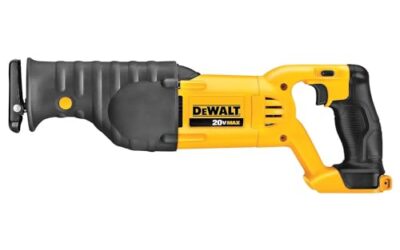
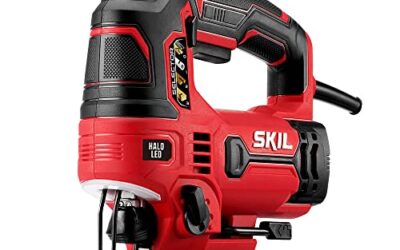
- Best electric saws for cutting wood: for straight cuts in boards, a circular saw or miter saw is more common than a chain saw; for curves, a jigsaw; for demolition, a reciprocating saw (sometimes called a demo saw). Choose by cut type, not brand.
- Best electric band saws for wood crafting: a benchtop band saw suits curves and resawing small stock; look for a table that tilts, a fence, and blade sizes the saw accepts. We did not verify specific models.
- Best cutting oil for lapidary saws and granite bridge saws: lapidary saws use oil or water coolant specified by the saw’s maker, and bridge saws for stone are typically water-fed. Use the coolant the manual calls for, because the wrong fluid can damage blades and seals.
- Best EDM saws: electrical discharge machining is an industrial process used in machine shops, not a general-purpose woodcutting tool.
- Extension hand saws: pole saws and pruning saws with extension handles are for trees; stay well away from power lines and follow the maker’s guidance.
How We Chose
This guide is research-based. We read manufacturer product pages and store listings, checked general safety guidance from chain saw makers, and compared extension-cord charts from several publications. We did not personally use any product, and we do not quote star ratings, review counts or exact prices. Every pick had to be a real, currently listed product that serves a specific job: gas saw for yard work, big-bar gas saw, corded saws, fuel carrying, hand protection and power delivery. We capped each brand at two entries across main picks, and we mark unlisted specs as “not listed.”
Buying Guide
Gas versus electric
Choose gas if you cut far from an outlet, cut larger logs or work for hours. Choose corded electric if you cut small branches near the house, want easy starts and will cope with a cord. Cordless battery saws are a third option, but they are outside this guide. As a rule of thumb, bar lengths of 14 to 16 inches suit limbing and small trees, while 18 to 20 inches are for larger trunks, and you should never use a bar longer than the saw’s manual allows.
Bar length and engine size
Pick a bar at least 2 inches longer than the widest log you plan to cut in one pass, and no longer than you need, because longer bars add weight and kickback leverage. Engine size for homeowners: roughly 30 to 45 cc covers most yard work, and 50 cc and up is for heavier firewood. Electric saws are rated in amps; 12 to 15 amps is typical for corded models.
Chain, oil and sharpening
A sharp chain throws chips; a dull chain throws fine dust. If you see powder instead of chips, sharpen or replace the chain. Fill bar oil every time you refuel, and check the oiler is working by holding the tip near a surface and looking for an oil mark. Keep a spare chain.
Fuel handling
Mix two-stroke fuel only in the ratio the saw’s manual specifies. Use fresh fuel, label the can, and store it away from living areas. Let the saw cool before refueling, move at least 10 feet from the fueling spot before starting, and never smoke near fuel.
Protective gear
At minimum: eye protection, hearing protection, a hard hat with face shield for tree work, gloves, chain saw chaps or pants, and sturdy boots. Gear reduces risk but does not remove it. Beginners may benefit from a chain saw safety class offered through local extension services or dealers.
Extension cord gauge by length
Sources we reviewed agree on 12-gauge for 15-amp tools at 100 feet. For 50 feet, charts differ between 14- and 12-gauge. A simple approach: use 12/3 for any 15-amp saw over 50 feet, and shorter cords can be 14-gauge. If you plan to use the cord for circular saws or hedge trimmers too, buy 12/3 once.
Common Mistakes
- Buying a long bar for small cutting jobs.
- Running a corded saw on a thin, long extension cord.
- Skipping bar oil, which burns a bar out quickly.
- Fueling a hot saw or in a closed room.
- Cutting above shoulder height or with the bar tip first.
- Assuming a low-kickback chain removes kickback risk.
Frequently Asked Questions
What are the best gasoline chain saws for homeowners?
For most homeowners, a 30 to 45 cc saw with a 14- to 16-inch bar such as the Husqvarna 120 Mark III is the safe starting point. For bigger logs, a 60 cc class with a 20-inch bar like the VEVOR covers more, at the cost of weight and a steeper learning curve.
What is the best deal for chain saws?
The best value is the saw you can service and get parts for, not just the lowest listed price tier. We do not quote current deals or discounts. Compare the total cost: saw, spare chain, bar oil, fuel can, gloves and protective gear.
What are the best electric saws for cutting wood?
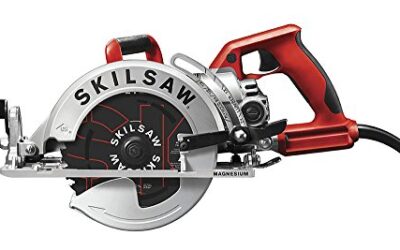
The best choice depends on the cut. Use a circular saw or miter saw for straight cuts, a jigsaw for curves, a reciprocating saw for demolition and a corded chain saw such as the WEN CP1518 for limbs and small logs.
What are the best gas cans for chain saws?
Pick a can that keeps fuel separate from bar oil and pours without spilling, like the Snowpine dual-chamber can, or a spill-proof 2-gallon can for fuel alone. Check that the container is approved for gasoline in your area, and label each can with its contents and mix ratio.
What are the best gloves for saws?
For chain saws, choose gloves with built-in saw protection, such as the Oregon Yukon for the left hand or a both-hand model with a stated EN ISO 11393 class. Gloves reduce risk, but chaps, eye and ear protection are also necessary.
What is the best gauge extension cord for circular saws?
For a 15-amp circular saw, 12-gauge is the safe choice at 100 feet, and a good choice at 50 feet too, since some charts allow 14-gauge for shorter runs. A thin cord can cause voltage drop and heat. Check your saw’s manual.
What is the best gauge extension cord for hedge trimmers?
Most electric hedge trimmers draw less current than a 15-amp saw, so a 16- or 14-gauge cord is often adequate for short runs. If you plan to share one cord between trimmers and saws, a 12/3 cord covers both. Read the trimmer’s rating plate and the manual.
Which One Should You Buy?
If you cut firewood and storm limbs and want the safest all-round start, buy the Husqvarna 120 Mark III, a Snowpine-style dual-chamber can, and the Oregon gloves. If you have larger logs and a tight budget, the VEVOR 62CC is the value gas option, with the caution that support is not established. If you cut near the house and want no fuel, the WEN CP1518 is the simplest, and the Oregon CS1500 is the one to buy if you hate sharpening. In every case, add eye and ear protection and a 12/3 cord for electric saws. For circular, jig and miter saws, use the same cord and glove advice and pick the saw by cut type.
Sources
- Husqvarna chain saw product pages and owner manuals
- WEN and Oregon corded chain saw product information
- Oregon chain saw safety and sharpening guidance
- Extension cord gauge charts from Chainsaw Journal, WC Safety and other publishers
- EN ISO 11393 saw-protection standard summaries
Last updated: October 2026
Related guides
More from Amazon
Programs that pair well with the guide above. Offers and eligibility are set by Amazon and may change.
A free business account with business pricing and bulk-buying tools for work, shop or home office.
Create a business accountFree shipping on eligible items, Prime Video and more. Eligible new members can start with a free trial.
Start a Prime free trialAudiobooks and podcasts to listen to on the go. Eligible new members can start with a free trial.
Try Audible freeAd-free music streaming. Eligible new subscribers can start with a free trial.
Try Music Unlimited freeAs an Amazon Associate we earn from qualifying purchases.

Write Your Review
No reviews yet. Be the first to share your experience!