Best Value Tools for Repairing a Cracked Concrete Step
What's inside
As an Amazon Associate I earn from qualifying purchases. This post may contain affiliate links at no extra cost to you.
Repairing a cracked concrete step does not require a contractor’s tool collection. For a typical non-structural crack, the best value comes from buying a few durable hand tools and choosing the repair material to match the crack. Expect to spend about $25 to $70 if you already have a bucket and hose, or $60 to $130 if you need a caulk gun, masonry tools, and a small grinder.
As an Amazon Associate we earn from qualifying purchases at no extra cost to you.



Before buying tools, judge the crack
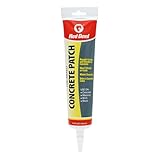
Measure the crack at its widest point. Hairline cracks under about 1/16 inch usually need cleaning and a concrete crack filler. Cracks from 1/16 to 1/4 inch are good candidates for a flexible polyurethane concrete sealant or a patching compound. Wider cracks, loose edges, or missing chunks usually need to be opened slightly and rebuilt with a repair mortar.
Do not treat a step as a simple cosmetic repair if it moves under your foot, has a crack running completely through the tread or riser, is separating from the house, or has dropped more than about 1/4 inch. Those symptoms can indicate settlement or a structural problem. A patch may hide the damage briefly but will not stop the step from shifting.
For ordinary cracks, start with a basic concrete repair tool kit or assemble the tools separately. Kits are convenient, but individual tools are often better value if you already own a hammer or bucket.
The best-value tool lineup
| Tool | Typical price | Best use | Value advice |
|---|---|---|---|
| Wire brush | $5–$12 | Removing dust, paint, and weak surface material | A cheap steel brush is fine; replace it when the bristles fold over. |
| 3/4-inch cold chisel | $8–$18 | Opening loose crack edges and removing soft concrete | Buy a forged steel chisel, not a thin general-purpose punch. |
| 16-ounce masonry hammer | $12–$25 | Light chipping and tapping repair material into place | A standard claw hammer works for small jobs, but a masonry hammer lasts longer. |
| Margin trowel | $8–$18 | Mixing and pressing patch compound into narrow cracks | The most useful trowel for step repairs; no need for a full concrete set. |
| Caulk gun | $10–$25 | Applying polyurethane crack sealant | A basic smooth-rod gun is sufficient; high-thrust guns help with stiff sealants. |
| Angle grinder with diamond wheel | $45–$120 | Cleaning or widening long, stubborn cracks | Worth renting unless you regularly do masonry work. |
A wire brush, cold chisel, and margin trowel cover most small repairs for roughly $25 to $55. A forged masonry chisel and hammer are worth paying for because cheap, soft steel can mushroom at the striking end. That creates sharp flakes and makes the tool harder to control.
Spend money on preparation, not specialty gadgets
Preparation determines whether the repair bonds. Scrape away paint, caulk, and crumbly concrete. Use the cold chisel with light blows to remove weak edges. Do not aggressively widen a sound crack just to make it look uniform; you can turn a stable repair into a larger patch.
Brush the crack until no powder remains, then vacuum it. A household vacuum can work, but concrete dust is abrasive and can damage the motor. A small wet/dry vacuum with a cartridge filter is the better purchase if you expect more home repairs. Otherwise, use a stiff brush followed by compressed air outdoors, wearing eye protection and a dust mask.
For a narrow crack, a five-in-one painter’s tool can substitute for a chisel. It costs less and is handy for scraping, but it will bend if you strike it hard. That is a reasonable cheap option for hairline cracks; it is not a replacement for a masonry chisel when concrete is breaking away.
Choose the repair material before the applicator
Flexible polyurethane sealant is usually the best value for a crack that may move. It comes in a standard caulk tube, remains slightly flexible, and is less likely than rigid patch material to crack again. The trade-off is appearance: it can remain visible, attract dirt, and may need a backer rod in a deep joint.
Hydraulic cement is inexpensive—often $8 to $15 for a small tub—and sets quickly. It is useful for filling stable voids and stopping minor water seepage, but it is a poor choice for a joint that moves. It can harden in minutes, so mix only what you can place in two or three minutes.
Polymer-modified concrete repair compound generally costs $10 to $25 per container. It is the better choice for chipped corners, shallow spalls, and cracks wider than about 1/4 inch. Build deep repairs in lifts if the label requires it. Filling a 1-inch-deep void in one pass can cause shrinkage, sagging, or a soft center.
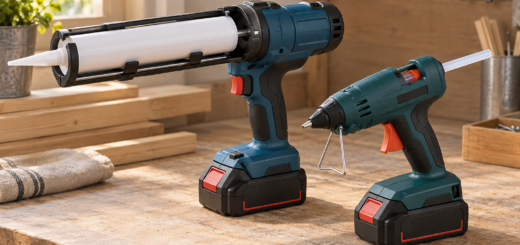
For a caulk-tube product, a heavy-duty smooth-rod caulk gun is a sensible middle ground. A $10 gun is fine for one or two tubes. Spend $20 or more if the sealant is thick, because flimsy guns bend the plunger and leave material in the tube.
A practical repair process
Work when the concrete is dry and temperatures are within the repair product’s label range, commonly between 50 and 90 degrees Fahrenheit. Remove dirt, open only loose crack edges, and vacuum again. Lightly dampen bare concrete if the patch manufacturer calls for a damp substrate, but do not leave standing water.
For polyurethane, cut the nozzle at a 45-degree angle slightly narrower than the crack. Push the nozzle forward while squeezing steadily, then tool the bead with a wet spoon or finishing tool. For cementitious patch, mix small batches, force the material into the crack with the margin trowel, and compact it rather than simply smearing it across the surface.
Keep the finished patch slightly below or flush with the surrounding tread. A raised ridge becomes a trip point and wears quickly. Protect the repair from rain, freezing temperatures, foot traffic, and deicing salt for the time stated on the package. Most products need at least 24 hours before normal use, and deeper patches may need longer.
When to buy for the lowest cost
Concrete repair compounds and masonry hand tools are commonly discounted in late fall and winter, when outdoor-project demand drops. Spring has the widest selection, but prices on caulk guns, brushes, and trowels are often higher. Check local hardware-store clearance racks after the main summer season for opened-box tools, but avoid repair compound with a hardened lump or a past expiration date.
Rent an angle grinder rather than buying one for a single step. Rental cost is commonly $25 to $45 for a day, plus roughly $10 to $20 for a diamond wheel. Buy one only if you also expect to cut tile, grind mortar, or repair several slabs. For a one-crack job, hand tools are slower but cheaper, quieter, and easier to control.