Best Affordable Tools for Replacing a Damaged Deck Board
What's inside
As an Amazon Associate I earn from qualifying purchases. This post may contain affiliate links at no extra cost to you.
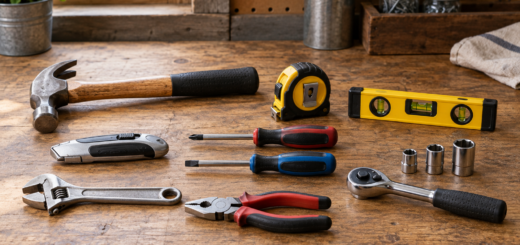
Replacing one damaged deck board is a small repair, so it rarely makes sense to buy a full contractor-grade tool set. The useful shopping list is usually a drill or impact driver, a way to cut the board, and a pry bar. If the old board is split or its fasteners are badly corroded, a reciprocating saw can save time—but it is an extra purchase, not a requirement for every repair.
For a one-board job, the best value often comes from borrowing a saw, renting one, or using a handsaw rather than buying a tool you may not use again. Before shopping, check the replacement board’s thickness and material, and confirm whether the existing deck uses screws or nails. Those details affect which tools and fasteners you need.
As an Amazon Associate we earn from qualifying purchases at no extra cost to you.


Tools worth paying for
A cordless drill is enough to drive ordinary deck screws, and it is generally cheaper and more versatile than buying an impact driver solely for this repair. A cordless drill-driver kit is a reasonable buy if you also expect to use it for household jobs. A kit with a battery and charger costs more than a bare tool, but a bare tool is only a bargain if it fits batteries you already own.
For cutting the replacement board to length, a handsaw works if you can make the cut at the end of the deck. A circular saw is faster for repeated cuts, but it needs careful handling and a stable work surface; do not balance a loose board on the deck and cut near your feet. If you buy one, a basic cordless circular saw kit can be useful beyond this repair. For a single crosscut, borrowing one may be the better value.
A flat pry bar is a low-cost essential for lifting a nailed board or easing a cut section out. A reciprocating saw is helpful when old screws or nails trap the board, but it can also cut joists or hidden wiring if used carelessly. Use a short demolition blade and keep the blade parallel to the board when cutting fasteners. If the board is screwed down and the screw heads are accessible, try removing them first rather than cutting blindly.
Budget tool choices at a glance
| Tool | Typical budget range | Best use | Trade-off |
|---|---|---|---|
| Drill-driver kit | $60–$150 | Removing and installing screws; general home use | Slower than an impact driver on long screws |
| Impact driver kit | $80–$180 | Driving many deck screws or stubborn fasteners | Can strip screw heads; less suited to delicate drilling |
| Handsaw | $10–$30 | One or two cuts | More effort and slower than a power saw |
| Circular saw | $50–$160, often more with battery | Fast, straight cuts and repeat projects | Requires safe support and careful depth setting |
| Flat pry bar | $8–$25 | Lifting boards and pulling nails | May mark neighboring boards without a scrap-wood pad |
| Reciprocating saw | $60–$180, often more with battery | Cutting trapped nails or screws | Easy to damage framing or cut hidden items |
These are broad U.S. street-price ranges, not guaranteed sale prices. Battery-platform costs matter: a low bare-tool price can turn expensive if you need a battery and charger. If you already own tools from a compatible brand, staying on that battery system is usually better value than switching brands for a small price difference.
When a cheaper tool is fine
For occasional deck repairs, a basic homeowner-grade drill from a recognized brand is usually adequate. Paying extra for a high-capacity battery or premium brushless motor is hard to justify if you will drive only a few dozen screws. An impact driver is worth considering if the repair involves many long screws or you do deck work regularly. Use the correct bit and steady pressure: even a powerful driver can round out a damaged screw head.
Skip low-cost no-name battery kits if replacement batteries are hard to find or the warranty is unclear. A modest tool from a major brand may cost more initially, but available batteries and service can make it cheaper over several years. On the other hand, buying into a premium platform for one repair is poor value when a rental or borrowed tool will do.
For wood removal, avoid using a circular saw to cut along the length of a damaged board while it is still installed unless you can control the depth and know what is below it. A reciprocating saw can cut the board into shorter sections, but take care around the joists and adjacent boards. Wear eye protection, gloves, and hearing protection when cutting; old deck lumber can splinter, and hidden fasteners can catch a blade.
Budget for the parts, not just the tools
Set aside money for exterior-rated replacement screws, a matching board, and possibly a small amount of wood preservative for a freshly cut end. Using indoor screws outdoors is a false economy: corrosion can weaken the connection and make later removal harder. Stainless steel screws resist corrosion well but cost more; coated deck screws are a common lower-cost choice when they are rated for the lumber and local conditions.
Buy screws long enough to hold the board securely into the joists, while avoiding excessive length that could create a hazard below the deck. Check the manufacturer’s guidance and the board thickness rather than guessing. If the joist beneath the damaged board is soft, cracked, or badly rotted, replacing only the surface board will not fix the underlying problem.
Timing the purchase
Spring and early summer bring more demand for outdoor tools, so prices on popular cordless kits may be less attractive. Late fall and major holiday sales can be better times to buy a saw or drill, especially if you are flexible about color and battery size. Compare the total kit price, including battery and charger, rather than judging a discount from the bare-tool price alone.
For a single board, check local tool libraries, rental shops, or neighbors before buying a circular or reciprocating saw. Renting is often economical for a tool that would otherwise sit unused, while a pry bar and handsaw are inexpensive enough to keep. If the deck has several damaged boards or you expect more repairs, buying a compatible cordless kit can make sense—but price the batteries, blades, and fasteners as part of the job.