Best Budget Dovetail Jig for Occasional Cabinet Projects
What's inside
As an Amazon Associate I earn from qualifying purchases. This post may contain affiliate links at no extra cost to you.
A dovetail jig can make strong, repeatable drawer joints without the cost of a shop-grade setup. For occasional cabinet projects, the best value is usually a fixed-template jig that fits your router and the joint sizes you actually plan to cut. Paying more makes sense if you need several joint styles, frequent setup changes, or faster production. Otherwise, a simple jig can do the job—provided you account for the router, bits, clamps, and practice wood in the budget.
As an Amazon Associate we earn from qualifying purchases at no extra cost to you.


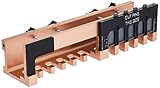
Decide what you need to cut
Most cabinet drawers use through dovetails or half-blind dovetails. Through dovetails show the joint on both faces and are common on boxes and furniture. Half-blind dovetails conceal the pins from the drawer front, which is often the right choice for a traditional cabinet drawer. Some jigs cut both; simpler models may be limited to one joint style or require a different template or accessory.
Before shopping, check the drawer dimensions and stock thickness. Many common jigs are intended for boards around 1/2 to 3/4 inch thick, but limits vary. Also check whether the jig accepts your router’s base and guide bushing. A router that does not fit can turn a cheap purchase into an adapter hunt—or require a second router.
Budget jig types and trade-offs
A fixed-template jig is the low-cost choice for occasional use. It holds the boards in a set pattern, and a guide bushing follows the template while the router cuts. The pattern is quick to use once dialed in, but you generally cannot change pin spacing freely. This is fine when you are making a few drawers with consistent stock.
Adjustable jigs offer more flexibility in spacing and board arrangement, but adjustment adds setup steps and opportunities for error. A jig that costs more is not automatically easier: read the instructions and check whether the included template suits your intended joint. If you want a straightforward starting point, compare a budget fixed-template dovetail jig with an adjustable router dovetail jig before deciding.
What you get at each price level
| Jig type | Typical value | Best for | Main trade-off |
|---|---|---|---|
| Basic fixed-template | Lowest entry cost | A few drawers in one stock size | Limited layout choices; setup accuracy matters |
| Midrange adjustable | More joint and spacing options | Several cabinet projects or varied drawer sizes | More adjustments to learn and verify |
| Production-style system | Higher purchase price, faster repeat work | Frequent batches and regular shop use | Hard to justify for occasional projects |
Prices and included accessories change, so compare the kit contents rather than relying on a remembered price. A useful comparison includes the jig, template, guide bushing, router bit, clamps, and any adapters required. A bare jig may look like a bargain but cost more once missing parts are added.
Count the full setup cost
Many dovetail jigs need a router bit and a guide bushing matched to the template. Some kits include them; others do not. Confirm the bit diameter and cutting length, bushing diameter, and router-base compatibility before ordering. A router with a stable base and enough power for the bit matters more than extra speed settings. For a small number of drawers, a suitable router you already own can make a modest jig a sensible buy.
Allow material for test cuts. Two or three practice pairs are a reasonable starting point, and more may be needed if the jig is unfamiliar or the boards vary. Offcuts should match the drawer stock in thickness and width; thin or different-density scraps can produce misleading results. Include the cost of this wood and a sharp bit in your comparison.
Avoid the common failure modes
The most common problem is a joint that is too tight or too loose. On many jigs, the fit is adjusted by changing bit depth in small increments. Make a test cut, inspect the joint, and adjust gradually; even about 1/32 inch can change the fit noticeably. Do not force a tight joint together, since that can split a pin or damage the drawer side. A loose joint needs a fresh setup or a remade part, not extra glue as a fix.
Keep the boards seated firmly against the jig’s reference surfaces and clamp them evenly. If one board shifts or sits at an angle, the joint can be misaligned across its length. Mark the inside faces and mating ends before cutting, and follow the jig’s instructions for which board goes in each position. Direction matters: routing the wrong face or reversing the board can leave a joint that looks close but will not assemble correctly.
Dust and chips between the stock and template can also spoil accuracy. Clear the jig between cuts, use a sharp bit, and make sure the guide bushing is secure. Take the cut at a controlled pace rather than forcing the router through the template. Tear-out at the board edge is another risk, especially in brittle stock; support the work and test on the same material before cutting finished parts.
When to spend more—or wait
Choose a basic jig if you are making a handful of drawers, have a compatible router, and can use a standard template pattern. Spend more if you expect to make many drawers, need repeatable setup across different stock sizes, or want to switch between joint types without buying extra parts. If you are unsure how often you will use it, borrowing or renting a jig for one cabinet can be cheaper than buying a feature-rich system.
Seasonal discounts can help, but compare the complete kit price rather than the advertised discount. Check whether a sale bundle includes the correct bit and guide bushing, and whether the seller’s return policy gives you time to verify compatibility. A lower-priced jig is good value only if it holds the boards securely and can be set up accurately with your router. For occasional cabinet work, those basics matter more than a long list of adjustments.