Best Budget Electric Pole Hedge Trimmer for Tall Residential Hedges
What's inside
As an Amazon Associate I earn from qualifying purchases. This post may contain affiliate links at no extra cost to you.
Quick answer: choose reach and cutting capacity before extra features
For most homeowners trimming a tall hedge a few times a year, a corded electric pole hedge trimmer is the lowest-cost choice if an outdoor outlet is within reach and the cord can be kept well clear of the blade. It avoids battery replacement costs and delivers steady power, but a long cord is awkward around shrubs, ladders and corners. If you regularly work far from an outlet, a 40V-class cordless pole trimmer is usually the more practical value: it costs more upfront, but there is no cord to snag or cut.
Before buying, measure the hedge and check how much of it you can reach while standing safely on the ground. A longer shaft can help, but it also makes the tool heavier and harder to control. Don’t plan to trim from a ladder while holding a running pole trimmer.
As an Amazon Associate we earn from qualifying purchases at no extra cost to you.


What to look for in a budget pole trimmer
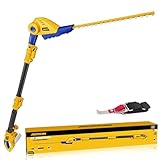
Start with blade length, cutting capacity, total reach and weight. A blade around 18 to 20 inches is a useful general-purpose size: it covers a reasonable area without making the head unwieldy. Check the stated cutting capacity, too. Many residential models are intended for branches roughly 1/2 inch thick, though the actual limit varies. Older, woody growth may need loppers or a pruning saw instead. Forcing thick branches through a light-duty trimmer can stall the motor, jam the blade or damage the teeth.
Compare the tool’s weight with the battery installed, not just the bare-tool figure. Even a manageable weight becomes tiring when held at shoulder height. An adjustable head is useful for trimming the top and sides at different angles; a rotating head is not worth much if its lock feels loose or it makes the tool awkward to balance. Shoulder straps can help, but they do not make an overlong session effortless.
For a starting point, compare corded electric pole hedge trimmers with 40V cordless pole hedge trimmers. Compare current kit contents carefully: some listings include a battery and charger, while others sell the tool only.
Corded versus cordless: where the value changes
| Type | Best fit | Value advantage | Main trade-off |
|---|---|---|---|
| Corded electric | Small or medium yard with accessible outlets | Lower entry price; no battery to age or replace | Cord management limits movement and adds a cutting hazard |
| Budget cordless | Hedges away from the house or spread across the yard | Convenience and no extension cord | Battery and charger can raise the kit price; runtime may limit a long job |
| Gas pole trimmer | Frequent, heavy work far from power | Longer work sessions without charging | More noise, maintenance, weight and operating fuss than most residential users need |
For corded models, use an outdoor-rated extension cord of the gauge and maximum length specified in the manual. A cord that is too long or too light can cause voltage drop and poor performance. Keep it behind you, use a cord retainer if supplied, and stop before repositioning it. Never let the cord cross the blade’s path.
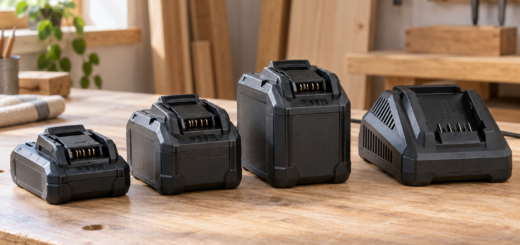
For cordless models, runtime depends on battery capacity, hedge density and cutting technique. A small battery may be enough for a short hedge but frustrating on several long sides. If you already own batteries from the same brand and voltage platform, a bare tool can be the better deal. If not, compare the complete kit price and check whether the battery is compatible with other tools you would actually use.
How to judge a budget deal
At the lowest price, expect basic construction, limited cutting capacity and fewer comfort features. That can be perfectly adequate for a neat, maintained hedge with mostly thin new growth. Paying more may buy a better battery system, a sturdier shaft, easier head adjustment or a more comfortable balance. It does not automatically mean the tool can cut thick branches; verify the published cutting capacity rather than relying on voltage or marketing claims.
Look at the warranty, replacement blade availability and whether batteries are sold separately. A low-priced cordless tool is poor value if a replacement battery costs nearly as much as the original kit or is difficult to find. Conversely, don’t pay for a large battery if your hedge takes 15 minutes to trim and you already have a compatible pack.
Seasonal discounts often appear in spring and around major holiday sales. Compare the price of the full kit against the bare tool, and check whether the advertised discount is for an older or less-capable version. For a seasonal job, buying just before peak demand may mean fewer choices; an off-season sale can be worthwhile if the warranty begins at purchase and the battery can be stored properly.
Using a pole trimmer without damaging the hedge
Trim when the hedge is dry, and inspect it first for wire, fencing, nests and thick branches. Keep both hands on the tool and your feet planted; don’t overreach to finish the last few inches. Cut lightly in overlapping passes rather than pressing hard into the hedge. For most formal hedges, a slightly wider base lets sunlight reach lower growth. Take off only a modest amount at a time, especially if the hedge has become overgrown.
Unplug a corded trimmer or remove the battery before clearing a jam, adjusting the head or cleaning the blade. Wear eye protection and sturdy footwear. A pole trimmer is for reachable hedge growth, not overhead tree limbs or branches beyond its rated capacity. If a branch is too thick, use hand pruners, loppers or a saw from stable ground.
The sensible budget choice
Buy corded if the hedge is near an outlet, the job is occasional and keeping track of a cable is manageable. Choose cordless if the cord would cross walkways, landscaping or multiple work areas—or if you already own compatible batteries. Spend extra for reach or capacity only when your hedge needs it. For ordinary maintained growth, a modest residential tool is often enough; safe positioning and regular trimming matter more than buying the most powerful unit.