Best Value Battery Chainsaw for Occasional Storm Cleanup
What's inside
As an Amazon Associate I earn from qualifying purchases. This post may contain affiliate links at no extra cost to you.
For occasional storm cleanup, the best-value battery chainsaw is usually not the largest saw on the shelf. A compact 18V or 20V saw is cheaper, easier to store, and capable of cutting most fallen limbs up to about 6 inches. If your property regularly sees larger trunks, a 36V or 40V saw costs more but avoids the frustration of slow cuts, short runtime, and overheated batteries.
The right choice depends less on the saw’s advertised bar length than on the batteries you already own, the diameter of the wood, and how quickly you need to clear it. A battery saw is a good storm-cleanup tool when you want low maintenance and easy starting. It is a poor bargain if you expect to cut large hardwood logs for several hours without buying extra batteries.
As an Amazon Associate we earn from qualifying purchases at no extra cost to you.


Best value for occasional storm cleanup
For most homeowners, I would start with a compact 18V or 20V cordless chainsaw with a 10- to 12-inch bar. These saws are commonly sold as tool-only units for roughly $100 to $180, while kits with a battery and charger often run from $150 to $250.
That size handles storm-damaged branches, small trees, fence-line limbs, and firewood rounds without much strain. It is also easier to control when working from the ground around tangled branches. A 10-inch bar does not mean you can safely cut a 10-inch log in every situation, but it is well matched to branches in the 2- to 6-inch range.
The cheaper option is fine when you expect only a few cleanup jobs per year and already own batteries in the same platform. Buying a tool-only saw can cut the purchase price nearly in half. The limitation is runtime: a small 2.0Ah battery may provide only 15 to 30 minutes of intermittent cutting, depending on wood species, chain sharpness, and load.
When a larger battery saw is worth the money
Move up to a 36V or 40V cordless chainsaw kit if storm cleanup commonly involves 8- to 12-inch limbs, hardwood such as oak or hickory, or several hours of work. These saws generally use 12- to 16-inch bars and cost about $250 to $500 with a battery and charger.
The extra voltage does not magically make a chainsaw safe, but it does help the motor maintain chain speed under load. That means fewer stalled cuts and less temptation to force the bar through the wood. A 4.0Ah or 5.0Ah battery is a more practical minimum for this class. Plan on buying a second battery if you need to work continuously.
A larger saw is not automatically better for light cleanup. It weighs more, costs more, and can be awkward around small branches. A 14-inch saw with a large battery may weigh 12 pounds or more ready to cut. That becomes tiring quickly when reaching, clearing brush, or working on uneven ground.
Battery chainsaw value compared
| Chainsaw type | Typical price | Useful cutting range | Best fit | Main compromise |
|---|---|---|---|---|
| 18V/20V, 10-12 inch | $100-$250 | Branches up to about 6 inches | Light, occasional storm cleanup | Shorter runtime and slower cuts |
| 36V/40V, 12-14 inch | $250-$500 | Branches and small trunks up to about 10 inches | Regular storms and larger hardwood | More weight and battery expense |
| 60V class, 16-18 inch | $400-$700 | Large limbs and repeated heavy cutting | Rural properties and major cleanup | Overkill for occasional small branches |
| Gas chainsaw | $200-$600 plus fuel | Extended heavy cutting | Large volumes and remote work | Noise, maintenance, and starting issues |
Features that affect real-world value
Prioritize tool-free chain tensioning, a visible oil window, a chain brake that is easy to engage, and an automatic oiler. Tool-free tensioning is convenient after a chain stretches, but it is not always as precise as a separate bar nut and screw. The chain should remain snug against the bar while still pulling around it by hand with the brake released.
Battery position and balance matter more than decorative power claims. A saw that puts the battery behind the handle can feel less nose-heavy than one with the battery mounted above the motor. Look for a rubberized grip and a hand guard large enough to operate with gloves.
Check replacement-chain availability before buying. A common 3/8-inch low-profile chain is inexpensive and widely stocked. Some compact saws use unusual narrow-gauge chains that must be ordered online. A replacement chain typically costs $15 to $30; replacing a dull chain is often cheaper than fighting poor performance or burning through batteries.
Do not pay extra for a telescoping pole saw unless you genuinely need overhead reach. Pole saws are useful for small limbs, but they are less balanced and less suitable for cutting a fallen trunk. A separate compact saw is usually better for ground-level storm work.
Brand platform value and seasonal pricing
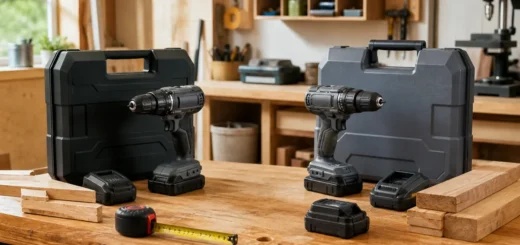
The battery platform often matters more than a small difference in motor design. If you already own compatible batteries for a drill, hedge trimmer, or blower, staying with that brand can make the saw a strong value. A tool-only saw costing $130 may be cheaper overall than a $180 kit from a new platform, even if the new kit includes a battery.
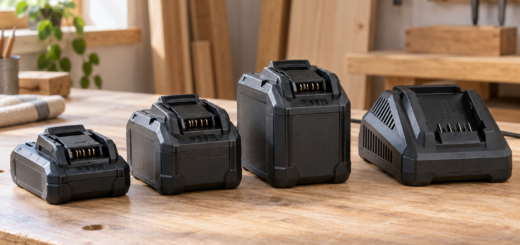
For buyers starting from zero, compare the price of a second battery and charger, not just the saw kit. A low-priced kit can become expensive when an extra battery costs $100 or more. Platform batteries are usually not interchangeable between brands, and “18V” and “20V” marketing labels generally describe the same nominal battery class rather than direct compatibility.
Prices are often best around late spring sales, Father’s Day promotions, and major holiday events in October and November. Winter storms can create short-term shortages, especially for popular 40V kits. Buying before storm season is usually better than paying full price after a tree is already across the driveway.
Safety and common failure points
Storm-damaged trees are more dangerous than ordinary firewood. Bent limbs can be under heavy tension and may snap backward when cut. Never cut a limb that is supporting a fallen trunk unless you understand how the load is distributed. Watch for suspended branches, damaged power lines, nails in old fence wood, and root balls that may roll or fall back into place.
Wear eye and hearing protection, gloves, sturdy boots, and leg protection intended for chainsaw work. Keep both hands on the saw, cut from the ground, and avoid using a battery saw in standing water or heavy rain. Stop when the chain stops cutting cleanly, the motor repeatedly stalls, or the battery becomes unusually hot. Those are signs to sharpen the chain, reduce the cut size, or let the system cool.
For a homeowner who clears a few storm limbs each year, an 18V or 20V 10- to 12-inch saw is the sensible value purchase, especially when it matches batteries already in the garage. Choose a replacement chain and bar oil at the same time. If your cleanup regularly includes thick hardwood or long days of cutting, spend more on a 40V kit and budget for a second battery rather than expecting a small saw to do a larger saw’s job.