Best Budget Wet-Dry Vacuum for Occasional Workshop Cleanup
What's inside
As an Amazon Associate I earn from qualifying purchases. This post may contain affiliate links at no extra cost to you.
For occasional workshop cleanup, you do not need a large contractor vacuum or an expensive dust extractor. A compact wet-dry vacuum in the $50–$100 range is usually enough for sawdust, wood chips, spilled water, and the occasional clogged sink or machine cleanup. The best budget choice is generally a 4- to 6-gallon model with a real cartridge filter, a 5- to 6-horsepower peak-rated motor, and a hose no smaller than 1-1/4 inches.
The important distinction is that a wet-dry vacuum is a cleanup tool, not automatically a safe dust-collection system. It can handle short cleanup jobs well, but fine sanding dust can quickly clog the filter and reduce suction. If you use a random vacuum without checking its filter setup, you may also blow fine dust back into the room.
As an Amazon Associate we earn from qualifying purchases at no extra cost to you.

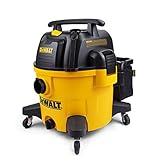
What to Look For in a Budget Wet-Dry Vacuum
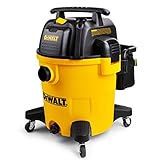
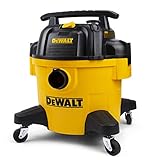
Capacity matters less than many buyers expect. A 4-gallon tank is easier to carry and takes up less room, while a 6-gallon tank lets you work longer before emptying it. For a one-car workshop or garage, either size is practical. Larger 12- to 16-gallon units are useful for renovation debris, but they are bulky for occasional cleanup.
Pay attention to the hose diameter. A 1-1/4-inch hose is easier to store and works well for general debris. A 1-7/8-inch or 2-1/2-inch hose moves chips and larger scraps more easily, but it can be awkward around benches and small tools. The hose should be at least 5 feet long; shorter hoses force you to drag the vacuum constantly.
Motor power numbers are not directly comparable across brands. “Peak horsepower” is a marketing measurement taken under ideal conditions, not the running power you will see while vacuuming. A well-designed 5-peak-horsepower unit can outperform a poorly designed 6.5-peak-horsepower model. Look for usable accessories, a sealed tank lid, and replacement filters that are easy to find.
The Best Budget Choice for Most Workshops
A compact 4- to 6-gallon wet-dry vacuum is the sensible middle ground. It is light enough to move with one hand, large enough for a weekend’s small projects, and usually costs less than $100. Models from established workshop-vacuum brands such as RIDGID, Vacmaster, and Shop-Vac tend to offer better filter and hose availability than anonymous discount brands.
For current pricing, compare 4-gallon wet-dry shop vacuums rather than shopping by motor horsepower alone. Prices often move by $10 to $25 during sales, so a normally mid-priced model can become the better value during a seasonal promotion.
| Vacuum size | Typical price | Best use | Main drawback |
|---|---|---|---|
| 2–3 gallons | $40–$70 | Car interiors, benches, quick dry cleanup | Small tank and weaker chip handling |
| 4–6 gallons | $55–$110 | General workshop and garage cleanup | Usually lacks premium dust-control features |
| 8–12 gallons | $80–$160 | Renovation debris and larger spills | Heavier and harder to store |
| 12+ gallons | $100–$220 | Frequent heavy-duty cleanup | Overkill for occasional use |
When the Cheaper Option Is Fine
A $40–$70 compact vacuum is perfectly reasonable if you mainly clean up wood chips, leaves, dirt, and small amounts of water. It is also a good choice for a hobbyist who uses the vacuum fewer than a dozen times a year. The lower price usually means a smaller tank, shorter cord, less robust wheels, and fewer accessories, not necessarily unusable suction.
Choose a compact 2.5-gallon wet-dry vacuum if storage is tight or you need to carry it up stairs. The trade-off is frequent emptying: a tank that holds 2.5 gallons may need attention after a single large sanding or routing session. Very small units can also tip more easily when pulling a stiff hose.
Do not pay extra for a larger motor if the vacuum will only collect visible debris. A cheaper unit is often the better buy for sweeping out a garage, cleaning a drill press table, or picking up a small water spill.
Fine Dust and Filter Limitations
Fine dust is where budget vacuums show their weaknesses. Drywall dust, MDF dust, concrete dust, and fine sanding dust can load a standard pleated filter in minutes. As the filter clogs, airflow drops sharply, and the motor may run hotter. Some dust can also escape through gaps around a poorly fitted filter or lid.
For ordinary wood chips, use the included cartridge filter and empty the tank before it becomes packed. For fine dust, use a compatible high-efficiency cartridge filter and, when available, a disposable collection bag. A bag costs more, but it keeps the tank and filter cleaner and makes disposal less messy.
If you regularly sand indoors, connect powered tools, or work with drywall or masonry, step up to a vacuum with better filtration and an automatic filter-cleaning feature. Search wet-dry vacuums with HEPA filtration and check whether the complete machine is rated for fine dust; a replacement HEPA filter alone does not make every vacuum a certified dust extractor.
Wet Use and Maintenance
Before collecting water, remove the paper dust bag and use the manufacturer’s wet-use filter arrangement. Many units use a foam sleeve for liquid pickup. If you leave a paper filter or bag installed, it can become saturated, tear, and restrict airflow.
Stop when the float valve cuts off suction or when the motor pitch changes. Continuing to run the vacuum after the shutoff can stress the motor. Empty the tank promptly, rinse away residue, and let the lid and filter dry completely. Storing a damp vacuum closed is a reliable way to create mildew and unpleasant odors.
Best Time to Buy
Wet-dry vacuums are commonly discounted around spring garage-cleaning season, Memorial Day, Labor Day, Black Friday, and January tool promotions. A discount of 15% or more is meaningful on a $70 vacuum, but do not choose a stripped-down package merely because it is the cheapest listing.
Before buying, price the replacement cartridge filter, foam wet filter, bags, and any missing adapters. A vacuum that costs $15 less but uses hard-to-find filters can become more expensive within a few years. For occasional workshop cleanup, the strongest value is usually a 4- to 6-gallon model from a brand with readily available parts, a sturdy hose, and a simple switch—not the highest horsepower number on the box.