Best Affordable Cordless Router for Small Woodworking Projects
What's inside
As an Amazon Associate I earn from qualifying purchases. This post may contain affiliate links at no extra cost to you.
What to look for in an affordable cordless router
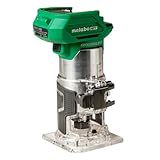
For small projects—rounding cabinet edges, trimming laminate, cutting shallow grooves, or adding a profile to a box—an 18V or 20V compact trim router is usually the best fit. It is easier to control than a full-size plunge router and costs less than buying a larger tool you may rarely use. Battery voltage alone does not tell you how capable a router is; check the included base, speed control, collet size, and whether the tool works with batteries you already own.
A bare tool commonly costs less than a kit, but the saving disappears if you need a battery and charger. If your shop already has batteries from the same tool platform, compare bare-tool prices first. If not, a kit with a small battery and charger can be better value. For browsing, compare cordless compact router kits and check what each listing actually includes.
As an Amazon Associate we earn from qualifying purchases at no extra cost to you.



Compare the practical options
| Option | Best for | Typical trade-off |
|---|---|---|
| Budget cordless trim router | Edge rounding, small chamfers, light trimming | May lack a plunge base or have fewer speed settings |
| Router from your existing battery platform | Occasional work when you own compatible batteries | Bare-tool prices vary; a weak or old battery can limit runtime |
| Corded compact router | Long sessions and predictable power | Cord management is awkward on small pieces and around a workbench |
| Full-size plunge router | Deeper cuts, larger bits, and frequent routing | Heavier, more expensive, and excessive for many small jobs |
Prices change with sales and bundles, so compare the total cost rather than relying on a single advertised price. A discounted bare tool is not a bargain if you must buy a battery, charger, and base separately. Also confirm the router accepts the bit shank you plan to use. Many compact routers use a 1/4-inch collet; a 1/2-inch bit will not fit, and an adapter should not be treated as a substitute for a proper collet.
Base, speed, and adjustment matter
A fixed base is enough for most edge work. Look for a depth adjustment that locks firmly and is easy to reach. A base that shifts under pressure can spoil a consistent edge or let the bit cut deeper than intended. A clear sub-base helps you see the cut line, though dust collection and visibility can still be poor on budget tools.
A plunge base is useful for starting a groove away from an edge, but it adds cost and bulk. If you only round over the outside of a box or trim a flush edge, pay for a plunge base only if it is included in a kit at a sensible price. Variable speed is valuable with larger bits and materials that burn easily. If the router offers only one speed, keep to modest bit diameters and make shallow passes instead of forcing the cut.
Before buying, check what comes in the box: edge guide, wrench, dust port, template guide, and extra base are not guaranteed. A cordless trim router with a plunge base can be a good-value choice if you will use both bases, but do not pay extra for accessories that will stay in the case.
Battery size and realistic runtime
Small batteries keep a trim router light, but routing under load uses power quickly. A compact 2.0Ah battery is manageable for a few short edge passes; a larger 4.0Ah pack generally lasts longer but makes the tool heavier. Actual runtime depends on wood species, bit sharpness, cut depth, and how continuously you work, so treat battery capacity as a comparison point rather than a guaranteed number of minutes.
Hard maple, deep cuts, and dull bits put more strain on the motor and battery than a light round-over in pine. If the tool slows, chatters, or leaves burn marks, stop and check the setup rather than pushing harder. A fresh battery may help, but it cannot compensate for a dull bit, a loose base, or an overly aggressive cut. For a one-off project, borrowing a compatible battery or choosing a corded tool can be cheaper than buying into a new battery platform.
When the cheaper option is fine
A low-cost router is sensible for occasional work with small, sharp 1/4-inch bits and shallow cuts. You do not need premium speed control to soften a few edges or trim a thin laminate. Spend more when you route frequently, need a reliable plunge base, use larger profiles, or cannot tolerate inconsistent depth adjustment. In those cases, better fit and control can save material and frustration.
Compare a budget cordless trim router bare tool against a corded compact router before committing to a battery platform. If you already own a suitable battery, the cordless tool is convenient for moving around a small shop and working on assembled pieces. If you are starting from scratch and expect long routing sessions, a corded model may deliver better value per dollar.
Avoid common routing failures
Clamp the work securely and test the depth on scrap from the same material. Make several shallow passes rather than removing a large amount in one go; a cut around 1/8 inch deep is a reasonable starting point for many small edge jobs, but the bit and stock determine what is safe. Keep the router base flat, move steadily, and follow the bit manufacturer’s direction guidance. Let the bit reach speed before entering the wood.
Burn marks usually point to a slow feed, a dull bit, or a cut that is too deep. Chatter can come from loose work, a poor grip, or taking too much material at once. Tear-out is common near the end of a cut, especially across end grain; a test piece and light passes help reveal whether you need a different approach. Wear eye and hearing protection, and use dust collection or a suitable respirator when routing dusty material.
When to buy
Battery-tool bundles often become more attractive during major holiday promotions and brand sales, but a free battery is useful only if it fits tools you will use. Check the bundle’s included battery capacity, charger, and base configuration, then compare its total price with the bare tool plus the items you actually need. For a small project on a deadline, buying a compatible tool locally may be worth more than waiting for a deeper discount. The best affordable router is the one that fits your bits, battery situation, and workload without paying for features you will not use.