Best Value String Trimmer for Edging a Compact Suburban Lawn
What's inside
As an Amazon Associate I earn from qualifying purchases. This post may contain affiliate links at no extra cost to you.
The best value for most compact lawns
For a compact suburban lawn, the best-value string trimmer is usually a battery model in the 18V, 20V, or 24V class with a 10- to 12-inch cutting swath. It is easier to control around sidewalks and garden beds than a wide commercial-style trimmer, and it avoids the extension cord problems that make edging tedious.
Look for a kit that includes the battery and charger, an adjustable shaft, a rotating head for vertical edging, and a bump-feed spool. A bare tool can look cheap but become expensive once you add a battery and charger. If you already own compatible batteries from a drill or blower, a bare trimmer can be the lowest-cost choice.
As an Amazon Associate we earn from qualifying purchases at no extra cost to you.
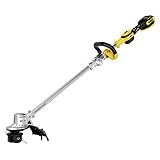


For a typical 1,000- to 3,000-square-foot lawn, a 2.0Ah battery is often enough for trimming and edging if the grass is maintained weekly. A 4.0Ah battery is the safer choice for neglected edges, thick weeds, or multiple small properties. Expect roughly 20 to 40 minutes of practical runtime, depending on grass density, cutting width, and how aggressively you hold the trigger.
Start by comparing 20V cordless string trimmer kits rather than focusing only on the advertised voltage. Battery platform availability, replacement battery prices, and spool costs affect the real value over several seasons.
Corded, cordless, or gas?
A corded electric trimmer is still the price leader when an outdoor outlet is close to the lawn. A basic 12-amp unit can cost less than a cordless kit and will run indefinitely. It also delivers consistent power without waiting for a battery to charge. The catch is managing a 50- or 100-foot outdoor-rated extension cord. Cutting the cord, dragging it across flower beds, or repeatedly unplugging at the house can erase those savings in frustration.
Battery trimmers cost more initially but are generally the best fit for edging a compact lawn. They start instantly, are quieter than gas, and need little maintenance. Their main failure modes are a dead or aging battery, a charger that is misplaced, and a proprietary battery platform that becomes expensive to replace.
Gas trimmers are unnecessary for most small suburban yards. They make sense when you are clearing tall weeds, maintaining several acres, or already own a gas tool system. For a few hundred feet of sidewalk and driveway edging, the fuel, oil, noise, and maintenance are poor value.
| Type | Typical upfront cost | Best use | Main compromise |
|---|---|---|---|
| Corded electric | $40–$90 | Small lawn near an outlet | Extension-cord management |
| Battery, 18V–24V | $90–$180 with battery | Routine trimming and edging | Battery runtime and replacement cost |
| Battery, 36V–60V | $150–$300 with battery | Heavy weeds or larger lots | More weight and unnecessary capacity for small lawns |
| Gas | $150–$300 | Heavy, prolonged clearing | Fuel, noise, emissions, and maintenance |
Features that matter for edging
A rotating trimmer head is more useful than a long list of speed settings. In trimming mode, the head is horizontal and cuts grass around trees and fences. In edging mode, it rotates vertically so the line cuts along the pavement. A wire or plastic edge guide helps maintain a straight line, but it is not essential if you work slowly.
Prioritize a lightweight tool. A trimmer weighing 5 to 7 pounds with the battery installed is comfortable for most homeowners. Heavier tools can feel powerful in the store but become tiring when you hold them sideways for 100 feet of driveway. A telescoping shaft and adjustable auxiliary handle matter because poor posture leads to uneven edges and wrist fatigue.
A 10- or 12-inch cutting width is preferable on a compact lawn. A 15-inch head finishes faster, but it removes more material with every pass and is harder to keep off paving stones and ornamental plants. Bigger is not automatically better for precision work.
Choose a bump-feed head if you want easy line advancement. Automatic-feed heads are convenient but can waste line, while fixed-line systems are cheap to refill but less forgiving when the line breaks. Replacement spools and line should be available locally or online; an unusual spool design can turn a low-cost trimmer into an aggravating ownership experience.
Where the cheaper option is fine
Buy the corded model if your lawn is small, the outlet is within about 75 feet, and you already own a suitable outdoor extension cord. For a homeowner who trims every two weeks and has no battery tools, corded electric is often the lowest total cost for five years.
Choose a basic battery kit if you have less than roughly 200 feet of edging and want quick setup. You do not need dual batteries, a brushless motor, or a 60V system for ordinary grass. Those upgrades help with dense weeds and frequent use, but they add weight and often $50 to $150 to the purchase.
Do not economize on the battery ecosystem. A bargain tool with a battery that costs nearly as much as the original kit is a weak long-term value. Established platforms with drills, blowers, and replacement batteries let one charger serve several tools. If you are starting from zero, compare cordless yard tool battery systems with a string trimmer instead of comparing trimmers in isolation.
When to buy and how to avoid a false bargain
Prices are usually strongest during spring promotions, Memorial Day, Father’s Day, and late-summer clearance. Fall can produce good discounts on kits as retailers make room for snow tools, but check that the battery is included. A “sale” bare tool may be a poor deal for a first-time buyer.
Before ordering, check the kit contents, warranty length, spool availability, and battery capacity. Confirm that the charger works on the household voltage and that the shaft length suits the user. Read reviews specifically for line-feed failures, battery overheating, head wobble, and broken plastic guards. These problems matter more than a claimed extra 10 minutes of runtime.
For a compact suburban lawn, spend enough for a manageable battery trimmer with a rotating head and readily available consumables. Save money on maximum voltage and unnecessary accessories, but do not sacrifice the battery and charger, comfortable balance, or dependable replacement parts.