Best Affordable String Trimmer for Routine Lawn Maintenance
What's inside
As an Amazon Associate I earn from qualifying purchases. This post may contain affiliate links at no extra cost to you.
For routine lawn maintenance, the best affordable string trimmer is usually not the most powerful one. It is the trimmer that starts reliably, handles edging and grass around obstacles, and does not cost more to operate than the rest of your yard tools. For most homeowners, that means choosing between a compact cordless model, a small gas trimmer, or a corded electric unit.
A basic trimmer is enough for cutting grass along sidewalks, fences, garden beds, and driveways. It is not necessarily the right tool for clearing thick weeds, brush, or half-acre lots. Match the trimmer to the work rather than paying for engine size or battery voltage you will rarely use.
As an Amazon Associate we earn from qualifying purchases at no extra cost to you.

Quick Picks by Yard Size
| Yard and workload | Best value type | Typical cost | Main limitation |
|---|---|---|---|
| Small lot, light grass, nearby outlet | Corded electric | $40–$80 | Extension cord management |
| Small to medium lot, routine trimming | Battery cordless | $80–$180 | Battery runtime and replacement cost |
| Large lot or heavy weeds | Gas-powered | $130–$250 | Noise, maintenance, and starting issues |
| Dense weeds and frequent clearing | Higher-output cordless or gas | $180–$350 | More weight and higher total cost |
Which Type Offers the Best Value?
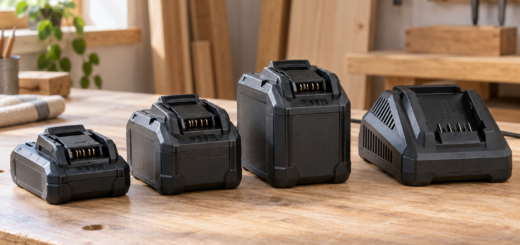
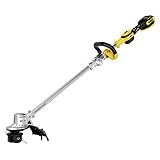
Cordless battery trimmers are the best general choice for many homeowners. They start with a button, produce little noise, and avoid mixing fuel or storing gasoline. A 20-volt or similar compact system is suitable for trimming around a typical suburban lawn. Larger battery platforms can deliver more cutting power, but the tool and battery often cost substantially more.
Look for a kit that includes the battery and charger. A tool-only price can appear inexpensive but become a poor deal once a battery costs $50 or more. If you already own batteries from a compatible tool system, a bare tool may be the sensible purchase. Otherwise, compare the complete kit price using cordless string trimmer kits.
Corded electric trimmers remain the cheapest option when the yard is small and an outdoor outlet is convenient. They are light, mechanically simple, and do not lose power as a battery discharges. The failure mode is the cord: it can snag on shrubs, get dragged across the cutting path, or be accidentally cut if you work carelessly. Use a properly rated outdoor extension cord and keep it behind you and away from the head.
Gas trimmers make sense when you trim for long periods, work far from outlets, or regularly cut tall weeds and thick vegetation. They provide long runtime with quick refueling, but low-cost gas models can be frustrating. Common problems include stale fuel, clogged carburetors, hard starting, and line heads that jam with debris. They also require fuel storage and seasonal preparation.
Features Worth Paying For
A straight shaft is useful if you are tall or want additional reach under shrubs, but a curved shaft is often lighter and easier to control for basic edging. Neither design automatically cuts better. For routine lawn work, prioritize a bump-feed head, a guard that does not flex easily, and a shaft that feels balanced with the battery or fuel tank installed.
Automatic line feeding is convenient, but it can use more line than necessary. A bump-feed head lets you control line release by tapping the head on the ground. Avoid heads that require complete disassembly for every reload. A simple replacement spool is acceptable for occasional users, while bulk line costs less for frequent trimming.
Most affordable trimmers use line between 0.065 and 0.095 inch. Thin 0.065-inch line cuts ordinary grass and reduces motor load. Use 0.080-inch line for tougher weeds if the manufacturer allows it. Thick line may last longer, but it also reduces runtime and can overwork a small motor. Do not install oversized line just because it is available.
An adjustable cutting swath is useful. A 10- to 12-inch swath is easier on a small battery and gives better control around flower beds. A 14- to 16-inch swath covers more ground but demands more power and can throw more debris. For an average yard, 12 or 13 inches is a practical compromise.
Brand and Battery-System Value
Brand value matters most with cordless tools because the battery system can cost more than the trimmer. A cheaper trimmer from a platform with few other tools may be economical only if you never need another battery. Established home-and-garden systems usually offer more replacement batteries, chargers, and compatible tools over time.
Before buying, check the price of a replacement battery, not just the initial kit. A battery that lasts 20 to 35 minutes under normal trimming may be sufficient for a small yard, but thick grass, high speed, and edging can reduce that figure. If your lawn takes longer than one charge, buying a second battery may cost more than stepping up to a better kit.
For a corded unit, brand differences are less important than warranty support, head design, and cord strain relief. For gas, parts availability and local service support are more valuable than a small horsepower advantage. You can compare current options through budget electric string trimmers, but check whether the listing includes the required battery or extension cord.
When to Buy
Prices are often strongest in late summer and fall, after the peak spring lawn season. Retailers also discount cordless tool kits during major holiday sales, especially when manufacturers promote an entire battery platform. Spring offers the widest selection, but entry-level models may sell quickly in regions where lawn equipment demand is high.
Do not buy a gas trimmer at a steep discount if it has been sitting with fuel in the tank. Ask whether it is new, factory sealed, and covered by a full warranty. For cordless tools, confirm the battery date if the seller provides it; batteries stored completely discharged can lose capacity.
The Practical Choice
Choose a corded model if your trimming area is small and you want the lowest purchase price. Choose a cordless kit if you value easy starting and already use, or plan to use, tools on the same battery platform. Choose gas only when runtime, distance from power, or heavy weeds justify the added maintenance.
For most routine lawn maintenance, a compact cordless trimmer with a 10- to 14-inch cutting swath, bump-feed head, and one included battery is the safest value. If your work includes dense brush, look at heavy-duty cordless trimmer kits instead of forcing a light model beyond its design. The cheaper option is perfectly adequate when it matches the grass, yard size, and available charging time.