Best Value Battery Hedge Trimmer for Routine Seasonal Maintenance
What's inside
As an Amazon Associate I earn from qualifying purchases. This post may contain affiliate links at no extra cost to you.
What “value” means in a battery hedge trimmer
For routine seasonal maintenance, the best value battery hedge trimmer is rarely the most powerful model on the rack. It is the one that handles your hedge size without forcing you into an expensive battery system or leaving you with a dead pack halfway through the job.
Most homeowners are trimming soft new growth on shrubs, boxwood, privet, arborvitae, or similar plants once or twice per year. For that work, a cordless trimmer with a 20- to 24-inch blade, roughly 18 to 22 volts, and a 2.0Ah to 4.0Ah battery is usually enough. Expect to pay about $100 to $180 for a kit from a mainstream tool brand during normal sales. Tool-only prices can drop below $100, but only make sense if you already own compatible batteries.
As an Amazon Associate we earn from qualifying purchases at no extra cost to you.

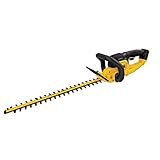

The cheaper option is fine when the hedge is short, thin, and close to an outdoor outlet or garage. You do not need a high-output commercial tool to shape a few shrubs. You do need enough battery capacity, blade reach, and cutting speed to avoid turning a simple seasonal job into a stop-and-recharge exercise.
The best budget specification
For most routine maintenance, look first at a 20V cordless hedge trimmer kit with a 20-inch blade and a battery of at least 2.0Ah. This is the practical middle ground: lighter and less expensive than high-voltage equipment, but more capable than small handheld trimmers.
A 20-inch blade is easier to control than a 24- or 26-inch blade and still covers a useful area with each pass. A 24-inch tool can save time on a long, flat hedge, but the extra length adds leverage and makes the tool more tiring when you are trimming the top or working at an angle.
Tooth spacing matters more than many shoppers expect. A gap around 5/8 inch is suitable for normal shrub growth. Smaller gaps are smoother on thin branches but can struggle with neglected hedges. Gaps around 3/4 inch or larger are useful for heavier stems, but the tool may feel rougher and cost more. Do not assume a larger gap makes a trimmer better; it simply gives it more clearance.
| Use case | Useful specification | Typical kit price | What to expect |
|---|---|---|---|
| Small shrubs and light annual trimming | 18V–20V, 18–20-inch blade, 2.0Ah battery | $80–$130 | Light weight; best for short sessions and thin growth |
| Several medium hedges | 20V–24V, 20–24-inch blade, 2.0Ah–4.0Ah battery | $120–$200 | Best general-purpose balance of run time and control |
| Large, dense, or frequently neglected hedges | 36V–60V, 24–26-inch blade, 4.0Ah battery or larger | $220–$450 | More power and runtime, but heavier and costlier |
Battery platform value matters more than a small price difference
A $120 trimmer kit can become a good purchase if the same battery runs your drill, blower, string trimmer, or pruning saw. It can be poor value if the battery and charger are proprietary and the trimmer is your only cordless tool.
Before buying, price the replacement battery separately. A second 2.0Ah pack may cost $40 to $70, while a 4.0Ah or 5.0Ah pack often costs $70 to $150 depending on the brand and sales timing. If the replacement battery costs nearly as much as the original kit, the low entry price is less impressive.
For shoppers starting a new platform, compare battery-platform hedge trimmer kits rather than comparing bare tools alone. Established systems generally offer more battery choices and better long-term availability. Budget brands can still be sensible when you only need a trimmer and can buy an extra battery cheaply.
Voltage labels are not directly comparable across brands. A well-designed 18V or 20V tool can handle ordinary hedge work, while a poorly balanced high-voltage tool can be tiring without delivering a meaningful advantage. Look at battery capacity, tool weight, warranty length, and the cost of additional packs.
Runtime, weight, and the point of diminishing returns
A 2.0Ah battery commonly provides roughly 20 to 40 minutes of actual cutting, depending on branch thickness, blade condition, temperature, and how often the trigger is released. That can cover several small shrubs, but not necessarily a long privacy hedge. A 4.0Ah pack may approach 40 to 75 minutes, although it also adds noticeable weight.
Runtime estimates are often based on intermittent cutting rather than continuous work. Dense stems, vines caught in the teeth, and repeated stalls reduce it quickly. If you have more than 30 minutes of hedge to trim, buying a second smaller battery is often more practical than moving to a heavier high-voltage tool.
Weight matters because hedge trimming involves shoulder-height and overhead work. A tool that weighs 7 pounds with its battery may feel manageable on the ground but tiring after 10 minutes at arm’s length. For occasional maintenance, favor balance and a comfortable front handle over maximum motor output.
When a more expensive trimmer is justified
Spend more for a higher-voltage trimmer when you regularly cut mature growth, tackle long hedges, or need to work far from a charger. Higher-end tools usually offer stronger motors, wider tooth spacing, better vibration control, and more durable gear cases. These benefits matter when stems approach 1 inch or the hedge has been skipped for a year or more.
They do not make a good substitute for a saw. Forcing a hedge trimmer into thick woody branches can stall the motor, drain the battery, bend teeth, or damage the clutch. Cut oversized stems with hand pruners or a pruning saw first, then use the trimmer for shaping.
Seasonal buying and maintenance advice
Prices are often strongest around spring tool promotions, Father’s Day sales, and late-summer clearance. A kit with a battery and charger is usually a better deal than buying the bare tool and accessories separately. Check the included battery capacity: some attractive promotions include a small 1.5Ah pack that limits usefulness.
For a longer 24-inch reach, compare 24-inch cordless hedge trimmer kits, but do not buy one solely for the larger number. Clean the blades after every session, apply light tool oil, and store the battery indoors. Dull or resin-coated blades increase load and reduce runtime; a basic blade-cleaning routine can do more for performance than upgrading motor voltage.
My value pick for routine seasonal maintenance is a 20V-class kit with a 20-inch blade, a 2.0Ah or larger battery, and a platform that offers reasonably priced replacement packs. Choose a larger system only when your hedge size, branch thickness, or work duration clearly demands it.