Best Budget Tools for Building a Simple Workbench from Lumber
What's inside
As an Amazon Associate I earn from qualifying purchases. This post may contain affiliate links at no extra cost to you.
A basic workbench does not need a premium saw or a collection of specialty tools. For a bench built from common lumber, the useful minimum is a way to measure, cut, drive screws and check that the frame is square. Spend first on tools that make repeatable cuts and secure joints; borrow or rent the tools you will use once.
As an Amazon Associate we earn from qualifying purchases at no extra cost to you.


Plan the tool list around the build
A simple bench can be made with 2×4s, plywood or boards for the top, and screws. Before buying tools, make a cut list and check whether the lumberyard will cut stock to length. Some stores offer a few rough cuts for free or a small charge. Those cuts may be adequate for a rough frame, but they are not always precise enough for matching legs or a flush top.
For a one-off project, a tape measure, pencil, square, drill/driver and hand saw can get the job done. A circular saw is a useful upgrade if you need several accurate cuts. A miter saw is faster for repeated crosscuts, but it costs more, takes up space and is not necessary for a basic bench.
What to buy, borrow or skip
Street prices vary by brand, battery platform and sales. These ranges are typical for entry-level new tools in the U.S.; check current listings and compare what is included in the kit.
| Tool | Typical budget range | Value for this project |
|---|---|---|
| Tape measure, 16–25 ft. | $5–$15 | Buy; a basic tape is sufficient. |
| Combination or speed square | $7–$20 | Buy; helpful for marking and checking cuts. |
| Corded drill or drill/driver | $30–$70 | Good value if you have no batteries already. |
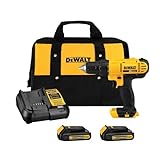
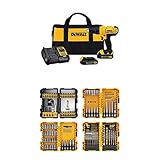
| Cordless drill/driver kit | $60–$150 | Worth it for convenience and future projects. |
| Circular saw | $50–$100 corded; $100–$200 cordless kit | Buy or borrow if lumber is not store-cut. |
| Clamps, pair | $15–$40 | Useful, but not essential if a helper can hold parts. |
| Random-orbit sander | $30–$80 | Optional; sanding by hand is fine for a rough bench. |
Prices for cordless tools can be misleading: a low bare-tool price does not include a battery or charger. If you already own batteries in a brand’s platform, a bare tool can be the cheapest route. If not, compare the complete kit price, warranty and battery capacity before choosing.
Measure, mark and check square
A tape measure and square are small purchases that prevent expensive mistakes. A 16-foot tape is enough for most benches; a 25-foot tape offers extra reach but is not automatically more accurate or easier to handle. Check that the hook moves slightly at the end, as designed, and does not wobble excessively.
A speed square is often the better low-cost choice for marking 90-degree lines across 2×4 stock. A combination square is more versatile for short measurements and checking edges, though very cheap versions may not be reliably square. Test a square by drawing a line along its edge, flipping it over and drawing a second line from the same starting point. If the lines diverge, do not trust it for layout.
Choose a drill for the screws you will use
For a few dozen structural screws, an entry-level drill/driver is usually enough. A corded drill can deliver good value if you work near an outlet and do not mind the cord. Cordless models are easier to move around a large frame, but the battery and charger add cost. For basic bench construction, a compact 12-volt kit is often adequate; a 18- or 20-volt kit makes more sense if you expect to drill larger holes or use the tool regularly.
Pre-drill near the ends of boards to reduce splitting, especially with dry or knotty lumber. Driving a long screw without a pilot hole can split a 2×4 or stall a small drill. Use the correct driver bit and keep the bit seated; a worn bit can cam out, damage the screw head and waste more time than the savings from bargain fasteners.
If you are buying a drill, compare budget cordless drill/driver kits by total kit contents, not advertised tool price alone. A second battery is handy but not essential for this short build.
Cutting lumber without overspending
If the lumberyard’s cuts are close enough, a hand saw can trim a few pieces at home for under $20. It is quiet and needs no setup, but cuts are slower and can wander if you rush. Clamp the board, mark a clear line on all sides and start with short strokes to establish the cut.
A corded circular saw is a practical budget upgrade for multiple cuts. Entry-level saws commonly cost less than cordless kits and avoid battery costs. The trade-off is managing the cord and setting up a stable cutting surface. Support the board so the offcut cannot pinch the blade, keep hands clear of the cut path and wear eye protection. A dull or unsuitable blade can tear out the edges, so check that the blade is meant for wood and is not damaged.
Consider a corded circular saw for wood if you will make several cuts or build more than one project. For one bench, borrowing a saw is often better value than buying one. A miter saw is convenient for repeated, identical crosscuts, but buying it solely for a workbench is hard to justify.
Clamps and finishing are optional upgrades
Clamps hold parts while you position the frame and drive screws. Two inexpensive bar clamps can make assembly easier, especially when working alone, but they are not a requirement. A helper, a flat floor and careful dry-fitting can do the same job. Very small clamps may not open wide enough for a bench frame, so check the listed capacity before ordering.
A sander is unnecessary if the bench is mainly for garage work. Knock down splinters with 80- or 120-grit paper wrapped around a sanding block. A low-cost random-orbit sander saves time on a large plywood top, but cheap units may vibrate more and collect dust poorly. Wear a dust mask when sanding, particularly indoors.
Time purchases for value
Tool kits often see discounts around major holiday sales, Father’s Day and Black Friday, but a marked-down kit is only a deal if it includes the battery and charger you need. Compare the normal price of the complete kit across several retailers and check the return policy. For a single build, store rental, borrowing or buying used can beat waiting for a sale. Inspect used tools for damaged cords, loose guards, excessive wobble and batteries that will not hold a charge.
Keep the shopping list modest: a tape, a square, a drill/driver and a suitable cutting option cover the important work. Add clamps if assembly is awkward; add a sander only if the finished surface matters. That approach keeps the tool bill proportional to the bench rather than turning a small lumber project into an excuse to buy a full workshop.