Best Value Tools for a First Apartment Tool Drawer
What's inside
As an Amazon Associate I earn from qualifying purchases. This post may contain affiliate links at no extra cost to you.
A first apartment tool drawer does not need a matching set or a cordless drill collection. It needs a few tools that fit common repairs, are comfortable enough to use correctly, and won’t fail the first time a screw is tight. A sensible starter budget is about $50–$100, depending on what you already own. Spend on the tools that take the most force; save on rarely used extras.
As an Amazon Associate we earn from qualifying purchases at no extra cost to you.



Start with the basics
Most apartment jobs call for a tape measure, utility knife, pliers, screwdriver bits, and a small hammer. Look for a 16-foot tape with clear markings and a blade that stays extended for at least 6 feet. Longer tapes are useful, but a bulky 25-foot model is awkward for measuring shelves or furniture indoors.
A retractable utility knife with a locking blade is safer to store than an exposed fixed blade. Buy a small pack of replacement blades, too: a dull blade takes more pressure and is more likely to slip. For pliers, an 8-inch adjustable wrench and 6- or 7-inch slip-joint pliers cover many basic tasks. Neither replaces a correctly sized wrench for stubborn plumbing fittings, but they’re useful for small adjustments and holding parts.
For driving screws, choose a set that includes Phillips #1 and #2, flathead bits, and common Torx sizes. A stubby screwdriver can reach where a long handle cannot. A basic set is fine if you’re assembling flat-pack furniture or tightening a loose hinge now and then; bits with a loose fit can strip screw heads, so stop if a driver starts camming out instead of turning.
Spend where it counts
Cheap tools are often perfectly adequate for occasional, low-force work. A basic tape, utility knife, or hex-key set may last for years in an apartment drawer. The trade-off is usually comfort, fit, and durability rather than outright capability. A flimsy handle can hurt during a long furniture assembly, while poorly formed driver bits can damage fasteners.
If you can handle tools in person, check that plier jaws meet evenly and that the grips don’t slide. On a screwdriver, test whether the bit sits firmly in the handle. For a hammer, a 16-ounce model is a practical general-purpose size; heavier hammers hit harder but are easier to over-swing in a small room. A basic 16-ounce hammer is usually enough for picture hooks and light household work. Don’t use it to drive masonry nails or break concrete.
For an inexpensive core, compare individual tools with a basic apartment tool kit. Kits can cost less than buying each item separately, but check the contents rather than counting pieces. A 100-piece set padded with tiny bits may be less useful than a smaller set with a solid hammer, pliers, and a decent screwdriver.
Starter tool comparison
| Tool | Useful minimum | Typical budget range | Where not to cut corners |
|---|---|---|---|
| Tape measure | 16 ft, readable markings | $5–$15 | Blade stability and a secure lock |
| Hammer | 16 oz, comfortable grip | $10–$25 | Head must be firmly attached |
| Screwdriver set | Phillips, flathead, common Torx | $8–$25 | Bits need to fit fasteners closely |
| Pliers | Slip-joint or adjustable, about 7–8 in | $8–$25 | Jaws should align without wobble |
| Level | 9–12 in, readable vial | $5–$20 | Check accuracy before hanging shelves |
Prices are common retail ranges, not guaranteed sale prices. A store-brand tool at the lower end can be a good buy for occasional use. Paying more makes sense if a tool gets frequent use, feels noticeably better in hand, or has a warranty you can actually use.
Small tools that prevent mistakes
A 9- or 12-inch level makes it easier to hang shelves and frames straight. Before trusting it, place it on a flat surface, note the bubble position, then turn it end-for-end. If the bubble shifts, the level may be inaccurate. A small torpedo level takes little drawer space, while a longer level is easier to use for a shelf or curtain rod.
Add a flashlight or headlamp if you expect to work under sinks or behind furniture. A headlamp keeps both hands free. A compact LED headlamp is more useful than a phone flashlight for extended work, but your phone is fine for a quick look. Keep a few spare batteries if the light uses replaceable cells.
Hex keys are useful for furniture that comes with Allen-head fasteners. The included keys often work, but they’re short and can be uncomfortable. A basic metric-and-inch set gives you better leverage and avoids forcing the wrong size, which can round out a fastener. Match the key to the socket; if it wiggles, try another size rather than leaning harder.
When a drill is worth it
You can assemble a bookshelf with a hand screwdriver, but a drill-driver saves time when you’re putting together several pieces of furniture or installing hardware. It is not automatically the right choice for every screw: high speed and excess torque can strip a screw or split particleboard. Start slowly, use a clutch setting, and finish by hand if you’re unsure.
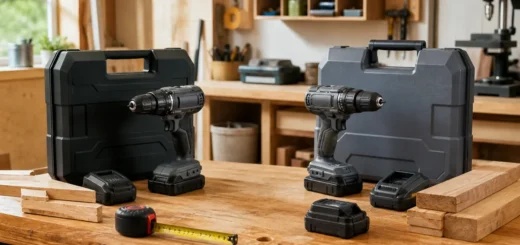
For occasional apartment jobs, a basic cordless drill-driver with two batteries is convenient but not essential. If you only expect to hang a few pictures or tighten fittings, borrow one or use a screwdriver. If buying, compare the price of a drill with a battery and charger included; tool-only deals can look cheaper but require a compatible battery system. A cordless drill-driver kit is a better value when the included batteries and charger are useful, not just because the kit has a high piece count.
Buying timing and storage
Tool sets and cordless kits often get discounted around major holiday sales, Father’s Day, and late November. Compare the sale price with the cost of buying only the tools you need; a discount on extras is not a saving if they sit unused. For hand tools, sales are less important than checking fit, return terms, and whether you can replace a damaged part.
Store blades retracted, keep small bits in a labeled container, and don’t leave tools loose under a sink where moisture can cause rust. A compact drawer organizer or a lidded box is enough. Before drilling or driving a long screw into a wall, check your lease and make sure you know what’s behind the surface. For electrical work, gas fittings, or a leak you can’t isolate, stop and contact the landlord or a qualified professional.