Best Affordable Tools for Light Metalworking at Home
What's inside
As an Amazon Associate I earn from qualifying purchases. This post may contain affiliate links at no extra cost to you.
Light metalworking at home usually means cutting angle iron, drilling brackets, cleaning welds, or making small repairs—not running a production shop. You can cover those jobs with a modest set of tools, but the cheapest tool is not always the least expensive choice. A grinder with a poor guard, a drill that stalls in steel, or a vise that shifts under load can waste material or create a safety problem.
As an Amazon Associate we earn from qualifying purchases at no extra cost to you.

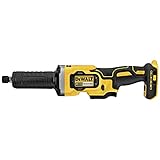
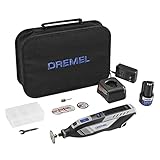
Start with the work, not the tool list
For occasional jobs on mild steel up to about 1/8 inch thick, a sturdy bench vise, hand files, a drill, and a 4-1/2-inch angle grinder will handle a surprising amount. Add a portable bandsaw or metal-cutting chop saw only if you make repeated, straight cuts. If you are working mainly with thin sheet, a jigsaw with the right blade may be more useful than a large saw.
Measure the largest stock you expect to cut and drill before buying. Tool capacity figures can be optimistic: a drill advertised for large holes may manage them slowly, while a compact saw may not clear the width of your material. Check the actual throat or cutting capacity, and leave room for clamps and the workpiece.
Budget tool choices at a glance
| Tool | Typical budget range | Best for | Where cheap models fall short |
|---|---|---|---|
| 4-1/2-inch angle grinder | $25–$60 corded | Deburring, cutting small stock, cleanup | Weak switches, vibration, poor guard adjustment |
| Bench vise, 4–5 inch jaws | $35–$100 | Holding brackets and short pieces | Jaw misalignment, flexing body, fragile swivel base |
| Variable-speed corded drill | $40–$90 | Holes in sheet and mild steel | Low torque, hot motor, chuck that loosens |
| Portable bandsaw | $150–$300 | Repeated cuts in tube and angle | Inaccurate guides and short blade life on poor setup |
Prices are broad US street-price ranges, not guarantees; sales and included accessories change the value. For a first purchase, a grinder and reliable vise generally earn their space sooner than a specialized saw.
Choose a grinder you can control
A basic corded 4-1/2-inch grinder is usually the best value for light work. A 5-amp unit is adequate for occasional cutting and grinding, though it can bog down if you force it through thick bar. Let the wheel do the work; pushing hard raises heat, wears the wheel faster, and can kick the tool. A 6- to 8-amp model is more comfortable for longer sessions, but adds weight and cost.
Look for a tool-free or easy-to-adjust guard, a side handle, and a switch you can operate securely. Buy metal-rated wheels from a known supplier and match the wheel type to the job: thin cutoff wheels cut, while grinding wheels remove material. Do not use a cutoff wheel to grind its side. A cracked or pinched wheel can break apart at speed.
For occasional use, compare corded 4-1/2-inch angle grinders by guard, warranty, and replacement-wheel availability, not just motor wattage. Cordless is convenient, but batteries can cost more than the tool and are poor value if you do not already own that brand’s battery system.
Spend on drill bits before upgrading the drill
Most mild-steel drilling under 1/4 inch does not require a premium drill. A variable-speed corded drill with a sound chuck and a side handle offers good value. Use sharp cobalt or quality high-speed-steel bits, center-punch the location, and run at a controlled speed. For a 1/4-inch bit in mild steel, roughly 600–1,000 rpm is a useful starting range; smaller bits can run faster. Use cutting fluid, especially on thicker stock.
Too much speed, pressure, or heat dulls a bit quickly. If the bit squeals, smokes, or turns blue, stop and check your speed and lubrication. A drill press is worthwhile when holes must be square or repeated, but a low-cost press may have noticeable table wobble. Test the spindle and quill for play before buying if possible.
A variable-speed corded drill is often a better first buy than an inexpensive cordless kit if you have no battery platform yet. For occasional repairs, the cord is a minor inconvenience; for outdoor work or frequent drilling, cordless convenience may justify the higher system cost.
Do not skimp on holding and measuring
A 4- or 5-inch bench vise is enough for many home projects, but jaw width alone says little about strength. Check that the screw turns smoothly, jaws meet reasonably evenly, and the body does not twist under hand pressure. A light cast vise can hold small sheet or angle; it is a poor choice for hammering or bending heavy bar. Bolt the vise through a bench rather than relying on a thin clamp-on base.
Add locking pliers, C-clamps, a steel ruler, a combination square, and a center punch before buying a second power tool. Clamping short stock by hand near a grinder is a common route to a spinning workpiece. Use eye protection, hearing protection, and a face shield for grinding; a face shield does not replace safety glasses.
Buy consumables and machines differently
Grinding and cutoff wheels are inexpensive enough to keep spares, but avoid bargain packs with unclear ratings or damaged packaging. Match the wheel’s maximum rpm to the grinder, and discard wheels that are cracked, wet, or badly chipped. Cheap drill-bit assortments often contain many sizes you will never use; a smaller set of good bits is better value if it stays sharp.
For machines, watch for seasonal promotions around major US holiday sales and end-of-year clearance, but compare the full kit contents. A low advertised price may include no battery, charger, fence, or useful blade. Corded tools often see smaller discounts and remain practical at regular prices. Before buying any budget tool, check the return period, parts availability, and warranty terms. Saving $20 is not worthwhile if a failed switch or unavailable blade leaves the tool unusable.