Best Affordable Tools for Weekend Auto Detailing at Home
What's inside
As an Amazon Associate I earn from qualifying purchases. This post may contain affiliate links at no extra cost to you.
Start with the job, not a cart full of gear
You can clean and protect a car at home without buying professional equipment. For a typical weekend wash, a practical starter budget is about $75–$150, assuming you already have a hose and vacuum. Spend first on items that touch the paint: good wash mitts, separate buckets, drying towels, and paint-safe cleaners. A pressure washer or polisher can wait.
Prices below are approximate U.S. street-price ranges, not guaranteed current offers. They shift with sales, kit contents, and season. Check what is included before comparing prices: a “starter kit” may contain several small bottles but no useful applicators.
As an Amazon Associate we earn from qualifying purchases at no extra cost to you.



A sensible budget kit
| Tool or supply | Typical cost | Worth buying? | Trade-off |
|---|---|---|---|
| Two 5-gallon buckets | $10–$25 total | Yes | Plain buckets work; grit guards are optional. |
| Wash mitt and drying towels | $20–$45 | Yes | Cheap, rough microfiber can drag dirt and shed lint. |
| Car shampoo | $8–$18 | Yes | A basic pH-neutral wash is enough for routine cleaning. |
| Wheel brushes and cleaner | $15–$35 | Usually | Use a brush that fits the wheel; harsh cleaners can damage finishes. |
| Interior cleaner and microfiber cloths | $12–$30 | Yes | A mild all-purpose cleaner is cheaper but needs dilution and testing. |
| Wax or spray sealant | $10–$25 | Optional | Spray products are quick; paste wax takes longer to apply and buff. |
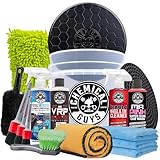
Two buckets help keep rinse water separate from shampoo, reducing the chance of rubbing grit back into paint. A grit guard is a modest extra, not a magic fix: rinse the mitt often and don’t drop it on the ground. For a first kit, compare a car wash kit with a mitt and drying towel against buying those items separately. Skip kits padded with air fresheners and tiny bottles if the core towels are poor quality.
Choose wash and drying gear carefully
A soft microfiber or chenille mitt is generally more forgiving than a sponge. Keep one mitt for paint and a separate brush or mitt for wheels; brake dust is abrasive. Wash microfiber separately from cotton, avoid fabric softener, and retire towels that become stiff or pick up grit.
For drying, a large, plush microfiber towel is convenient, but two medium towels are easier to handle and can be cheaper. Blot or glide with light pressure rather than scrubbing. If the car is still dirty after rinsing, drying can drag leftover grit across the finish. A leaf blower can move water from mirrors and trim, but it is not a substitute for a clean final wipe—and dusty air can make things worse.
When water spots are a concern, work in shade and dry each panel promptly. Washing in direct sun can leave soap or mineral marks before you finish. If the vehicle has delicate matte paint, specialty wraps, or uncertain coatings, check the maker’s care instructions before using polish, wax, or strong cleaners.
Pressure washer or garden hose?
A hose with a useful spray nozzle is enough for most home washes. It costs less, is simpler to store, and avoids the risk of holding a concentrated jet too close to paint, badges, or weather seals. A budget electric pressure washer, often around $100–$200, can make pre-rinsing faster, especially on muddy vehicles, but advertised maximum pressure is not the whole story; flow rate and included fittings matter too.
If you buy one, use a wide spray pattern, keep the nozzle moving, and start several feet away. Never aim a narrow tip at tires, chipped paint, sensors, or seals. A foam cannon is an extra, not a requirement: thick foam looks satisfying but does not replace contact washing. For occasional use on a lightly soiled car, the hose is the better value. For frequent washes or heavy road grime, compare a compact electric pressure washer for car washing, checking hose length, replacement fittings, and storage size before price alone.
Keep interior tools simple
A household vacuum with a narrow attachment handles routine crumbs and dust. A small cordless vacuum is convenient for quick cleanups, but many inexpensive units struggle with embedded sand and pet hair; don’t buy one expecting it to replace a full-size vacuum. For upholstery, use a soft brush and a cleaner suitable for the material. Spray cleaner onto a cloth, not directly into switches, screens, or seams, and test an inconspicuous spot first.
For glass, use a clean, low-lint microfiber towel and a glass cleaner that is safe for any window tint. One towel to apply and another to buff helps reduce streaks. Avoid dressing products that leave a shiny, slick coating on steering wheels, pedals, or gear selectors.
When to spend more—and when to wait
Buy the paint-contact basics before powered tools. A random-orbit polisher can improve the finish, but it also adds pads, compounds, and a learning curve; careless polishing can thin clear coat. If the paint only needs routine washing, a polisher is unnecessary. Hand-applied spray sealant is slower panel by panel but inexpensive and low-risk when used as directed.
Seasonal sales around spring cleaning, major summer promotions, and late-year holiday events can lower prices on towels, vacuums, and pressure washers. Compare the same tool’s included accessories and warranty, not just the discount sticker. Established brands often cost more but may offer easier-to-find replacement parts; a basic no-frills tool is fine if you use it occasionally and can return it if defective. For a first purchase, prioritize a reliable hose connection, adequate cord or battery runtime, and straightforward storage over extra modes.
After each weekend, rinse wash tools, wash towels, and let everything dry fully before storage. That small habit prevents mildew and keeps grit from turning an affordable kit into a paint-scratching one.