Best Value Wet-Dry Vacuum for Renovation Debris and Spills
What's inside
As an Amazon Associate I earn from qualifying purchases. This post may contain affiliate links at no extra cost to you.
What Makes a Wet-Dry Vac a Good Value?
For renovation work, a good wet-dry vacuum needs to handle more than sawdust. It may be asked to collect drywall crumbs, wood chips, small bits of tile, spilled water, and the fine dust produced by sanding joint compound. The cheapest unit can manage some of these jobs, but it may clog quickly, lose suction when the filter loads, or fail when liquid reaches the motor because the filter was left installed.
For most homeowners, the best value is a mid-size corded vacuum with a 10- to 12-gallon tank, a real cartridge filter, a float shutoff, and a drain plug. These models generally cost less than specialized dust extractors while offering enough capacity for room-by-room cleanup. Look for a motor rated around 5 to 6 peak horsepower, but treat that number as a rough marketing measure. Hose diameter, filter design, and actual airflow matter more than peak horsepower alone.
As an Amazon Associate we earn from qualifying purchases at no extra cost to you.

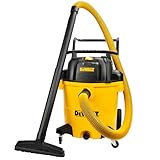

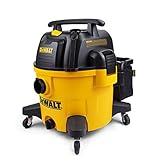
A 10-gallon wet-dry vacuum is usually the sensible starting point for renovation debris and household spills. Smaller 2- to 6-gallon machines are easier to carry and store, but their tanks fill faster and their compact motors often struggle with larger chips and heavier dust.
Features Worth Paying For
Capacity is only one part of the value calculation. A 10-gallon tank does not mean you should fill it with 10 gallons of liquid. The float shutoff normally stops the vacuum before the tank is completely full, and liquid takes up storage space around the filter and internal parts. A practical limit is roughly 7 to 8 gallons before emptying.
| Vacuum type | Best use | Typical strengths | Main compromise |
|---|---|---|---|
| 2–6 gallon compact | Car interiors, small spills, light DIY | Low price, easy to carry and store | Small tank and shorter hose; less suitable for renovation cleanup |
| 8–12 gallon standard | General renovation debris and water | Best balance of capacity, suction, accessories, and price | Bulky on stairs and in small work areas |
| 12–16 gallon heavy-duty | Large demolition jobs and repeated liquid pickup | Longer runtime between emptying and larger hose options | Higher price, more storage space, and heavier handling |
| Dust extractor | Concrete, drywall sanding, and power-tool dust collection | Better filtration and automatic filter cleaning | Costs substantially more and is unnecessary for ordinary spills |
A 1-1/4-inch hose is adequate for sawdust and small household debris. A 1-1/2-inch hose is a better all-around choice, while a 2-1/2-inch hose is preferable for wood chips, chunks of drywall, and small demolition debris. Large hoses are less likely to clog, but they are stiffer and can be awkward when connected to a sander or drill.
Prioritize a long power cord, onboard accessory storage, a large power switch, and a drain at the bottom of the tank. A drain saves considerable time when removing several gallons of dirty water. A blower port is useful for clearing leaves or drying a work area, though it should not be used to scatter fine construction dust indoors.
Filters, Fine Dust, and Renovation Cleanup
For dry pickup, use the filter specified by the manufacturer. A standard pleated cartridge filter works well for coarse debris and ordinary shop dust. Fine drywall dust is harder on any vacuum. It can pass through a basic filter, coat the motor area, and reduce airflow within minutes.
If you are sanding joint compound or cutting concrete, a fine-dust or HEPA wet-dry vacuum filter is worth considering, but do not assume that adding a HEPA-style filter turns a standard shop vacuum into a certified dust extractor. Tool-trigger outlets, sealed construction, and automatic filter cleaning are separate features.
Filter bags can be a good value during messy dry work. They reduce the amount of dust released when emptying the tank and keep the cartridge filter cleaner. They also add operating cost and should never be used for liquid pickup. Remove the bag before vacuuming water, and remove or replace the dry filter according to the manufacturer’s instructions. Many wet-dry vacuums use a foam sleeve for liquid pickup; that sleeve is not a substitute for a dry cartridge filter.
When the Cheaper Option Is Fine
A budget 5- or 6-gallon vacuum is perfectly adequate for occasional car cleaning, a small plumbing leak, a few bags of sawdust, or cleanup after installing trim. If the machine will run for only 10 or 15 minutes at a time and you can empty it frequently, paying extra for a large tank may not improve the result.
Spend more when the vacuum will collect drywall dust every day, connect to power tools, or handle repeated water pickup. Better machines typically have stronger casters, less fragile latches, more reliable float valves, and replacement filters that remain available for years. The low sticker price becomes less attractive if a cracked hose or discontinued filter makes the entire unit unusable.
Brand value varies by product line, not just by logo. Established tool brands often charge more but provide better accessory availability and replacement parts. Hardware-store house brands can offer excellent value for occasional use, especially when discounted, but check the cost of a replacement cartridge filter and hose before buying. A vacuum that costs $30 less but needs a $25 proprietary filter every few months may not be the bargain it appears to be.
Avoiding Common Failure Modes
Never vacuum flammable liquids, hot ashes, solvents, gasoline, or liquids containing sharp metal fragments. A wet-dry vacuum is not designed to safely collect combustible vapors. For ordinary water, confirm that the float moves freely, remove the dry paper bag, and stop when the motor pitch changes or the float shuts the airflow off.
Do not vacuum fine dust with a clogged filter. Suction can fall sharply after only a few minutes of drywall sanding. Shut the machine off outdoors, clean or replace the filter, and use a bag when compatible. Keep the motor head level during wet pickup; tipping the unit can allow water to reach electrical components even if the float system is working.
For renovation work, buy a replacement filter and compatible collection bags at the same time as the vacuum. Having a spare prevents the common mistake of using a damp or overloaded filter, which can damage the motor and spread dust through the room.
Seasonal Buying Advice
Wet-dry vacuums are commonly discounted around spring cleaning, Memorial Day, July sales, Labor Day, and Black Friday. The largest models often see the deepest discounts because retailers want to clear bulky inventory. In practice, a reliable 10- to 12-gallon unit at 15 to 25 percent off is usually a better buy than a larger machine purchased only because its advertised horsepower is higher.
Before buying, compare the complete package: tank size, hose diameter and length, filter cost, bags, warranty, and whether the casters and accessories store onboard. For most renovation cleanup, a standard 10- to 12-gallon vacuum with a 1-1/2- or 2-1/2-inch hose delivers the strongest value. Choose a compact model only when portability and storage matter more than capacity, and move up to a true dust extractor when fine dust collection is a daily requirement rather than an occasional chore.