Bosch vs Festool Dust Extractors: Comparing Upfront Cost and Workshop Value
What's inside
As an Amazon Associate I earn from qualifying purchases. This post may contain affiliate links at no extra cost to you.
Bosch and Festool make capable dust extractors, but they serve different buyers. Bosch generally gives you more filtration and suction capacity for the money, while Festool builds a more integrated system around its sanders, saws, hoses, tool sockets, and storage. The cheaper option is often perfectly adequate for a garage workshop. Festool earns its premium when dust control, portability, low noise, and daily convenience matter more than purchase price.
As an Amazon Associate we earn from qualifying purchases at no extra cost to you.


Upfront cost and what you get
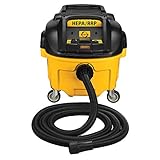
A Bosch extractor commonly costs less than a comparable Festool unit. Depending on capacity, automatic filter cleaning, and whether it is corded or cordless, a Bosch setup often lands around $300 to $700. Festool extractors typically start around $500 and can pass $1,000 once you choose a larger unit, specialized features, or a battery-powered version.
Those prices are for the extractor only. Budget another $30 to $100 for better hose adapters, a cyclone separator, or disposable bags if the package does not include the accessories you need. A Festool hose and tool connection usually fit together cleanly out of the box. With Bosch, compatibility is good within the Bosch Professional range, but adapters may be necessary for tools from several brands.
| Factor | Bosch | Festool |
|---|---|---|
| Typical purchase price | Lower; roughly $300–$700 for many corded shop units | Higher; roughly $500–$1,000 or more |
| Best value | General woodworking, renovation, and occasional tool use | Daily professional use and integrated Festool systems |
| Dust-bag and filter costs | Usually moderate, with more third-party options | Often higher, especially for branded bags and filters |
| Portability | Varies widely; larger units can be bulky | Usually compact and carefully designed for jobsite movement |
| Tool integration | Good, but may require adapters | Excellent within the Festool ecosystem |
| Noise and refinement | Generally acceptable, model dependent | Usually quieter and more polished in daily operation |
Suction, airflow, and filtration
Do not compare extractors by peak horsepower alone. Dust collection depends on airflow, static pressure, hose diameter, filter condition, and how well the tool seals to the workpiece. A compact extractor can collect dust effectively from a random-orbit sander but struggle with a router or track saw that produces larger chips.
For sanding, look for a unit with dependable airflow through a 1-1/4-inch or 1-1/2-inch hose and a fine-dust filter rated for the material you work with. For table saws, planers, and routers, a larger hose and higher-volume extractor are more important. Neither Bosch nor Festool compact extractors replaces a dedicated two-stage dust collector for a planer producing large quantities of shavings.
Festool’s advantage is consistency. The hose, tool port, cuffs, and automatic switching are designed as one system, so fewer leaks undermine the rated performance. Bosch units can collect just as well when matched with the right hose and a tight adapter, but a loose connection can reduce capture and leave a visible plume around the cut.
Consumables and running costs
Running cost is where a lower purchase price can become less impressive. A fine-dust extractor fills bags quickly when sanding drywall, MDF, or large painted surfaces. A $10 to $20 bag may last only a few heavy sessions. Using a cyclone separator before the extractor can remove most chips and coarse dust, preserving the bag and delaying filter loading.
Festool’s bags and filters are convenient and fit reliably, but they are not usually the cheapest option. Bosch has a broader range of compatible consumables, and third-party bags are easier to find for many models. Check the exact extractor before buying replacements: a bag designed for a similar-looking machine may not seal correctly, causing dust to bypass the filter.
For a small shop that sands one or two projects per month, the difference may be less than $50 per year. For a cabinetmaker sanding every day, filter and bag costs can become a significant part of ownership. In that case, compare the price and capacity of replacement bags before choosing the machine.
Which brand fits your workshop?
Choose a Bosch dust extractor if you want strong basic performance without paying for a complete brand ecosystem. Bosch is a sensible choice for a homeowner, remodeler, or general woodworker who uses several tool brands. It is also the better value when the extractor will run only a few hours each week.
Choose a Festool dust extractor if you use Festool sanders, saws, or routers every day and will benefit from automatic tool activation, compact stacking, dependable hose connections, and easier handling. Those features do not make sawdust disappear, but they reduce setup time and the number of small failures that interrupt work.
A cheaper Bosch is also fine for occasional drywall cutting, trim work, or sanding small furniture projects. Spend the savings on a good separator, a longer antistatic hose, and proper respirator filters. A $400 extractor with poor hose routing and an open filter can perform worse than a well-configured $300 machine.
Seasonal buying advice
Prices tend to be most flexible around major holiday promotions, spring renovation sales, and the weeks before holiday gift-shopping peaks. Compare the complete package rather than the headline discount. A bare extractor that requires a hose, tool adapter, and bags may cost more in use than a slightly more expensive kit.
Before buying, confirm four details: the hose diameter, the tool-trigger method, the filter class, and the bag price. If you cut concrete, masonry, or old painted surfaces, make sure the extractor is appropriate for hazardous fine dust and use the required safety equipment. For ordinary wood dust, either brand can work well when the filter is maintained and the tool connection is sealed.
If portability is the priority, compare compact woodworking dust extractors by loaded weight, not empty shipping weight. A full bag, hose, cord, and accessories can add 10 pounds or more. For a fixed shop, consider a larger shop dust collector instead. The right capacity and hose layout usually matter more than the logo on the motor.