Bosch vs Makita Drills: Comparing Features, Durability, and Cost
What's inside
As an Amazon Associate I earn from qualifying purchases. This post may contain affiliate links at no extra cost to you.
Bosch and Makita both make capable cordless drills, and neither brand is automatically the better buy. The right choice depends on the job, the battery platform you already own, and the price of a complete kit—not just the drill body. For occasional household repairs, a lower-cost drill can be perfectly adequate. For repeated drilling, larger holes, or a growing tool collection, battery cost and ergonomics matter more.
As an Amazon Associate we earn from qualifying purchases at no extra cost to you.


Bosch vs Makita at a glance
| Factor | Bosch | Makita |
|---|---|---|
| Best fit | Buyers who find a good kit deal or want a compact drill for general tasks | Buyers building a broad cordless tool lineup or prioritizing a large range of compatible tools |
| Drill options | Compact and full-size drills, including hammer-drill versions | Compact and full-size drills, including hammer-drill versions |
| Battery value | Strongest when the right battery platform and tool kit are discounted | Strongest when you plan to add compatible tools and share batteries |
| What to compare | Kit contents, battery platform, warranty terms, and local service | Kit contents, battery platform, warranty terms, and local service |
Both brands sell products across more than one cordless platform and price tier. Check the exact battery system printed on the tool and in the listing: batteries from different platforms are not interchangeable just because they carry the same brand name. Kit contents also vary. One package may include two batteries and a charger, while a lower sticker price may cover only the bare tool.
Features that affect the work
For everyday drilling and screwdriving, look for a two-speed gearbox, a clutch with multiple settings, a keyless chuck, and a comfortable grip. The low-speed setting gives better control for driving screws; the high-speed setting is useful for drilling smaller holes. A clutch helps stop a screw before its head strips or the material splits. It is not a substitute for starting slowly and matching the bit to the job.
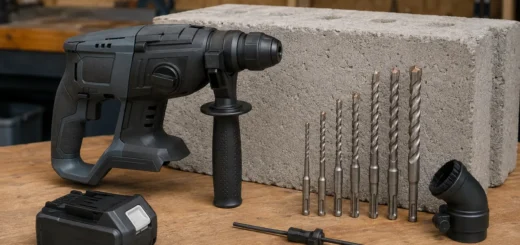
If you regularly drill masonry, compare hammer-drill versions rather than assuming any drill/driver will do. Hammer action helps with brick and block, but a rotary hammer is a better choice for frequent work in concrete. Neither a Bosch nor a Makita hammer drill turns a light-duty job into a fast one in hard concrete. Use a sharp masonry bit, keep the tool steady, and avoid leaning hard enough to overheat the bit or motor.
Compact drills are easier to fit between joists and inside cabinets, but can run out of torque or battery sooner under demanding work. Full-size drills are usually more comfortable for larger holes, though their extra weight becomes tiring overhead. If possible, hold both in a store with a battery attached. Balance can matter more than a small difference in published weight.
Durability and common failure points
For occasional use—hanging shelves, assembling furniture, or drilling pilot holes in softwood—either brand’s entry-level drill should last if it is treated sensibly. More expensive models can be worthwhile for daily work, large bits, or frequent drilling in dense material, but a premium label alone does not prevent wear.
Common problems are often about use and upkeep: worn or damaged chuck jaws that no longer grip a bit securely, batteries that lose capacity after repeated heat and deep discharge, and motors or gearboxes stressed by forcing a large bit through a hole. Let the drill slow rather than pushing until it stalls. Clear packed chips from the flutes, use the correct bit, and keep spare batteries out of extreme heat. If the drill repeatedly cuts out under a modest load, stop and check the battery, bit, and chuck before assuming the tool has failed.
Warranty coverage and repair access can affect real durability value. Read the terms for the specific tool and battery, and check whether service is available near you. A drill that is easy to replace or repair locally may be a better choice than a cheaper kit with awkward support.
Cost: compare kits, not logos
Street prices change with promotions, and the cheapest listing may be a bare tool. Before buying, add up the drill, batteries, charger, and any case you actually need. If you already own compatible batteries, a bare tool can be the lowest-cost route. If you are starting from zero, a kit with two batteries is often more useful than a small discount on a single-battery package.
Also consider what else you will buy. A platform becomes more valuable when you can use its batteries in an impact driver, saw, light, or other tools. Makita is an especially sensible pick when its compatible range suits the tools on your list. Bosch can be the better value if its kit is notably cheaper or better equipped for the work you do. Do not pay extra for a battery ecosystem you are unlikely to expand.
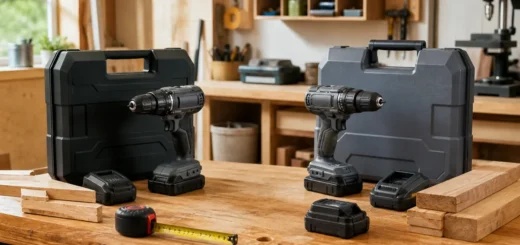
For a first cordless drill, compare a Bosch drill-driver kit with a similarly equipped Makita drill-driver kit. Match battery count and capacity, included charger, and tool type before comparing prices. A kit with a hammer function may cost more than you need if you only work in wood and drywall.
Which one should you buy?
Choose Bosch when its complete kit is cheaper for comparable features, the tool feels better in your hand, or you already own batteries on the matching Bosch platform. For light home use, paying more for a higher-tier drill is hard to justify unless you need compact size, extra performance, or a more suitable battery setup.
Choose Makita when its battery platform fits tools you expect to add, or when a comparable kit offers a better combination of comfort, power, and included batteries at the price you find. In either case, buy the right drill type: a standard drill/driver for wood, plastic, and ordinary screw work; a hammer drill for occasional masonry; and a rotary hammer for frequent concrete drilling.
Look for sales around major holiday weekends and seasonal home-improvement promotions, but compare the actual kit rather than the advertised percentage off. If you do only a few jobs a year, a well-priced kit from either brand is enough. If the drill earns money or sees weekly use, prioritize a comfortable grip, a suitable battery system, and service support over a small upfront saving.