Hilti vs Bosch Rotary Hammers: Comparing Professional Value and Ownership Costs
What's inside
As an Amazon Associate I earn from qualifying purchases. This post may contain affiliate links at no extra cost to you.
Hilti and Bosch both make serious rotary hammers, but they target different buying decisions. Hilti is built around professional fleets, service contracts, jobsite support, and long working life. Bosch usually offers a lower purchase price and a wider range of tools that suit contractors, remodelers, and serious DIY users. The cheaper Bosch is often the better value when the hammer will see occasional use. Hilti earns its premium when downtime, daily drilling, and service logistics cost more than the tool itself.
As an Amazon Associate we earn from qualifying purchases at no extra cost to you.


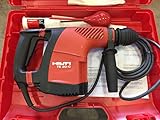
Where the Money Goes
A rotary hammer’s price is only the first cost. You also need to account for batteries or cords, drill bits, grease, repairs, replacement brushes on older designs, and the cost of a worker waiting for a failed tool. Hilti generally charges more upfront, especially for cordless systems, but its sales and service network is designed for companies that need predictable equipment availability.
Bosch tends to be more competitive at the register. Its corded SDS-Plus hammers can be particularly economical for occasional concrete anchors, tile removal, and small masonry work. Cordless Bosch models make more sense if you already own compatible batteries. If you are starting from zero, the battery, charger, and a useful set of bits can narrow the price gap considerably.
| Factor | Hilti | Bosch |
|---|---|---|
| Upfront tool price | Usually higher | Usually lower to midrange |
| Best ownership case | Daily professional use and managed fleets | Occasional to regular trade use |
| Cordless ecosystem | Strong professional platform, but batteries are a major investment | Broad platform with useful value if you already own compatible packs |
| Service approach | Strong emphasis on repair, fleet support, and account service | Standard manufacturer warranty and repair channels |
| Typical risk | Overpaying for capacity and service you will not use | Higher downtime exposure if a heavily used tool fails |
Performance and Capacity
For normal anchor holes in concrete, both brands offer capable SDS-Plus hammers. The practical difference is less about whether either tool can drill a hole and more about how quickly it can repeat the job without excessive heat, vibration, or wear. A hammer in the roughly 1-inch class is suitable for many anchors, conduit fasteners, and small penetrations. Moving into larger SDS-Max equipment is appropriate for demanding demolition and larger holes, but the bits and accessories become much more expensive.
Hilti’s advantage becomes easier to justify when a crew drills dozens or hundreds of holes per week. Consistent impact performance, dust-management options, vibration control, and service access can reduce interruptions. Bosch is often perfectly adequate for a contractor drilling a few dozen holes per month, especially when the tool is used correctly and allowed to cool.
Do not compare impact energy alone. A hammer with more joules can be slower or less comfortable if the bit is dull, the dust is not cleared, or the operator is forcing it. For overhead work, weight and vibration matter as much as peak power. A lighter hammer may finish more work in a day because the operator can control it longer.
Cordless Versus Corded Ownership
Cordless rotary hammers save setup time and eliminate extension cords, but batteries are consumable equipment. A high-capacity pack can cost several hundred dollars, and frequent drilling may require two or three packs to keep one tool working. Batteries also lose capacity over time, especially when stored hot or left fully discharged.
A corded hammer is still the low-cost choice for a workshop, basement, or renovation site with reliable power. It can run continuously and avoids battery replacement. The trade-off is slower setup, the need to protect the cord, and less convenience around scaffolding or unfinished sites. For a homeowner drilling a handful of holes each year, a corded unit—or even a rental—can be financially smarter than buying into a cordless platform.
If you already have Bosch batteries, compare the price of a bare tool with a complete kit before deciding. Likewise, a Hilti cordless purchase makes more sense for a company already standardized on that battery system. For a first purchase, look at the total package rather than the tool-only price. A practical corded SDS-Plus rotary hammer can leave enough budget for quality bits and dust extraction.
Bits, Maintenance, and Failure Modes
Bits are a major hidden cost. A premium rotary hammer with a worn bit drills slowly, creates more heat, and places extra load on the motor and clutch. For concrete work, budget for a fresh set of SDS bits and replace them when flutes are damaged or drilling speed clearly drops. A quality bit can cost $10 to $40 or more depending on diameter and length; large SDS-Max bits cost substantially more.
Common failures include overloaded clutches, damaged chucks, overheated motors, broken power cords, and cordless battery faults. Drilling through embedded rebar can stop progress abruptly and may damage a bit. Use the correct mode, clear dust from deep holes, and do not lean your full body weight on the tool. Excess pressure does not make the hammer mechanism hit harder; it can reduce impact and accelerate wear.
For demolition, use a tool rated for chipping rather than treating a light drilling hammer as a small jackhammer. That is one area where buying an undersized unit can be more expensive than choosing the right capacity initially. If your work includes frequent tile removal, masonry chasing, or concrete breaking, compare heavy-duty SDS-Max rotary hammers instead of focusing only on the cheapest SDS-Plus option.
Which Brand Makes Sense?
Choose Hilti when the hammer is a daily production tool, several workers need standardized equipment, or a failed tool can cost hundreds of dollars in labor and schedule delays. Its higher purchase price is easier to defend when service, replacement logistics, and long-term fleet control are part of the calculation. Ask about the actual warranty and service terms before buying; those details matter more than a sales claim about durability.
Choose Bosch when you want solid professional performance without paying for a fleet program, or when the tool will be used weekly rather than continuously. Bosch is also the sensible lower-cost choice for homeowners, maintenance departments, and small contractors who can tolerate replacing or repairing a tool without stopping a large crew. A Bosch SDS rotary hammer bare tool is especially compelling when compatible batteries and chargers are already on hand.
When to Buy
Watch for tool-kit promotions around spring remodeling season, Father’s Day, late-summer contractor sales, and the November holiday period. Cordless kits are often discounted through free-battery offers rather than large price cuts on the tool itself. Compare the battery’s amp-hour rating and the included charger; a small starter pack may be inadequate for concrete work.
For a one-time project, check rental pricing before purchasing. If the job takes one afternoon, even a $60 to $100 rental can beat the cost of a hammer, bits, and future battery replacement. Buy when the tool will earn back its cost through repeated use. That calculation, more than the logo on the case, is the clearest difference between Hilti and Bosch value.