Honda vs Cub Cadet Mowers: Comparing Upfront Price and Maintenance Value
What's inside
As an Amazon Associate I earn from qualifying purchases. This post may contain affiliate links at no extra cost to you.
Honda and Cub Cadet do not offer a simple like-for-like choice across the whole mower market. Honda is best known for walk-behind lawn mowers, while Cub Cadet sells walk-behind models as well as riding mowers and zero-turns. The right comparison depends on the job: a small, flat lawn has different costs from several acres that justify a rider.
Before comparing prices, check current availability. Honda ended U.S. production of its walk-behind lawn mowers in 2023. Remaining new inventory and used machines may still be available, but selection, warranty terms, and parts access depend on the seller and model. Cub Cadet continues to sell mowers in multiple categories, with prices and features varying by model and dealer.
As an Amazon Associate we earn from qualifying purchases at no extra cost to you.


Compare price by mower type, not just brand
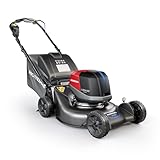
Honda’s relevant comparison is generally a push or self-propelled walk-behind mower against a Cub Cadet walk-behind mower. A Cub Cadet rider or zero-turn is a different purchase: it costs much more upfront, but can cut large open areas faster. Do not compare a rider’s price with a walk-behind mower and treat the difference as a brand premium.
| Purchase | Upfront cost pattern | Best fit | Value caveat |
|---|---|---|---|
| Used Honda walk-behind | Varies with condition, age, and local supply | Small or medium lawns when a sound used mower is available | A low asking price can hide a worn drive system, carburetor trouble, or scarce parts |
| New or used Cub Cadet walk-behind | Ranges from basic push models to pricier self-propelled models | Buyers who want current retail availability and a straightforward lawn mower | Compare warranty, deck, drive type, and service access—not just advertised price |
| Cub Cadet riding mower or zero-turn | Substantially higher than a walk-behind | Larger properties where reduced mowing time matters | Fuel, blades, belts, tires, and storage add to ownership cost |
For a small lawn, a basic push mower can be the economical answer even if it lacks self-propulsion or premium features. If you are shopping new, compare a Cub Cadet push lawn mower with other machines in the same class. If considering Honda, treat a used mower as a condition-dependent purchase rather than assuming the brand name guarantees value.
What the upfront price actually buys
On a walk-behind mower, the main price differences are usually push versus self-propelled drive, cutting width, bagging and mulching options, and construction. Self-propulsion is useful on slopes or in a large yard, but adds a drive system that can need adjustment or repair. A wider deck can reduce passes, though it is less convenient around narrow gates, trees, and tight beds.
For a rider, price is tied to deck size, transmission, engine, and turning design. A larger deck may cut open ground faster but is not automatically better on a small, cluttered lot. Measure gates and storage access before buying; a mower that cannot pass through a gate or fit in a shed is poor value at any price.
Use current local quotes rather than relying on old list prices. Seasonal discounts can make a new mower attractive in late summer or fall, but only if the retailer has the configuration you need and the warranty starts on terms you understand. A used Honda can cost less than a comparable new machine, but scarcity can also push asking prices above what its age and condition justify.
Maintenance and repair costs
Both brands’ gas mowers need basic care. Check the owner’s manual for the correct oil, service interval, blade procedure, and fuel guidance. As a practical baseline, inspect the blade and underside regularly, change oil on the schedule in the manual, and clean or replace the air filter as needed. Fresh fuel helps avoid hard starting after storage; fuel left through winter can gum up a carburetor or fuel system.
Routine costs include oil, air filters, spark plugs, blades, and, on self-propelled units, drive components. Riding mowers add more wear items: belts, battery, tires, and often more expensive blades. Budget for a blade replacement or sharpening each season if the mower sees regular use, and remember that hitting stones or roots can bend a blade or damage a spindle regardless of brand.
Honda’s reputation for dependable small engines can make a well-maintained used machine appealing. But the end of U.S. mower production changes the ownership calculation: verify that common service parts and a qualified repair shop are available near you before buying. A cheap mower that sits for weeks waiting for a hard-to-find part is not a bargain during peak growing season.
Cub Cadet’s broader current lineup can make it easier to shop new and compare dealer support, especially for riding equipment. That does not mean every repair is inexpensive. A rider’s transmission or deck repair can cost far more than a walk-behind tune-up, so ask a local dealer about labor rates, parts lead times, and warranty coverage before choosing a complex machine.
How to assess a used Honda
Ask to see the mower start from cold. It should start without excessive cranking, run steadily, and engage its drive system if self-propelled. Check for smoke, fuel leaks, cracked wheels, a damaged deck, and excessive vibration. Inspect the blade only with the engine off and the spark-plug wire disconnected. A bent blade or damaged blade mount can turn a bargain into a repair bill.
Look for maintenance records and confirm the exact model and serial information before ordering parts. Test the mower on grass if possible: a drive system that works on pavement may slip under load, and a clogged or worn mower may leave uneven strips. Price the likely repairs before negotiating. If the seller cannot demonstrate that it runs, value it as a repair project, not as a ready-to-mow machine.
Which is better value for your lawn?
Choose a used Honda walk-behind if it is in good condition, parts are available locally, and its price reflects its age. It can be a sensible buy for a modest lawn, especially when you do not need a new warranty. Skip it if the drive is slipping, the engine surges, or the seller’s price assumes a premium simply because it says Honda.
Choose a Cub Cadet walk-behind when you want current inventory and a simpler path to a new mower with dealer or retailer support. Compare a self-propelled Cub Cadet mower only if the yard’s size or slope justifies paying for drive assistance. For a small, flat lawn, a basic push mower is often enough.
Consider a Cub Cadet riding mower only when mowing time is a real constraint and the property has enough open ground to benefit from it. Add fuel, annual maintenance, storage, and possible repair costs to the purchase price. On a compact lot, a walk-behind may take longer but cost much less to own.