How to Calculate the Cost of Borrowing a Tool From a Friend
What's inside
As an Amazon Associate I earn from qualifying purchases. This post may contain affiliate links at no extra cost to you.
Borrowing a tool from a friend may cost nothing at the checkout, but it is not always free. You may spend money on fuel, replacement parts, sharpening, cleaning supplies, or a favor in return. You may also be accepting responsibility for damage to a tool that costs several hundred dollars to replace.
A useful borrowing calculation compares the total cost of borrowing with the cost of buying, renting, or hiring someone to do the job. The right choice depends on the tool’s value, how long you need it, its condition, and what happens if something goes wrong.
Start With the Replacement Value
First, find a realistic replacement price for the exact tool or a similar current model. Do not automatically use the highest price you find. A well-used 10-year-old drill is not worth the same as a new premium drill, but it may still be worth $50 to $100 on the used market.
Use these values as a starting point:
- New replacement price: what an equivalent tool costs today.
- Used replacement price: what a similar tool sells for locally or online.
- Repair cost: the likely price of fixing common damage.
- Accessory value: batteries, chargers, blades, bits, cases, hoses, or specialty attachments.
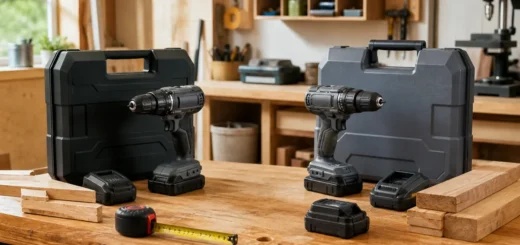
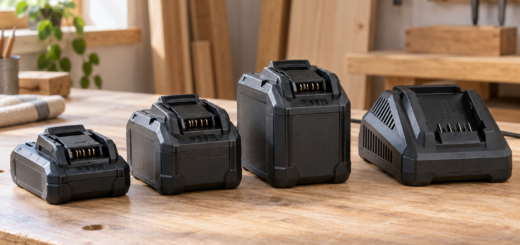
For example, a cordless saw may appear to be a $120 tool, but replacing it could mean buying a $120 bare tool plus a $100 battery and $50 charger. If the borrowed kit includes those accessories, the liability may be closer to $270 than $120.
Calculate the Direct Borrowing Cost
Add every expense caused by the loan. The basic formula is:
Borrowing cost = transport + consumables + cleaning or maintenance + repair or damage risk + compensation
Transport includes fuel, parking, delivery fees, or the value of your time driving to pick up and return the tool. For a short trip, fuel may only cost $3 to $8. A 40-mile round trip in a vehicle getting 20 miles per gallon, with fuel at $3.50 per gallon, costs about $7 in fuel alone.
Consumables are often overlooked. A borrowed tool may require new blades, sanding discs, drill bits, nails, staples, saw chain oil, concrete dust bags, or two-stroke fuel. These costs belong to the project whether you borrow or buy, but they still belong in the borrowing budget.
Compensation is not always cash. You might offer dinner, help with a move, return the favor with your own equipment, or give the owner $20 for the inconvenience. Agree on this before taking the tool. A vague promise can create more friction than a small payment.
Put a Value on Damage Risk
Damage risk is the hardest part to price, but a simple expected-cost estimate is better than ignoring it. Multiply the likely repair or replacement cost by the chance of causing damage.
For example, suppose a borrowed $300 pressure washer has a 5 percent chance of suffering damage during your project. If the likely repair bill is $150, the expected damage cost is:
$150 × 0.05 = $7.50
That $7.50 is not a prediction of what will happen. It is a way to compare choices. If you are inexperienced, working in wet or dusty conditions, or using a tool near its limits, increase the risk estimate. If the tool is old and already unreliable, discuss its condition before borrowing it rather than accepting responsibility for a pre-existing fault.
Some failures are much more expensive than ordinary wear. Dropping a hand tool may cause a minor dent, while forcing a rented drain auger can damage the cable, motor, or drum. Never assume a manufacturer warranty will cover damage caused by misuse, commercial use, or another person operating the tool.
Compare Borrowing, Buying, and Renting
Use a realistic comparison rather than comparing borrowing with the full price of a new premium tool. The cheaper option is often fine when the job is small and the tool is simple.
| Option | Typical cost example | Best fit | Main drawback |
|---|---|---|---|
| Borrow from a friend | $10 to $40 in transport, consumables, compensation, and risk | One short project with a trustworthy owner | Limited availability and possible relationship damage if it breaks |
| Rent from a tool center | $35 to $100 per day, plus deposit and consumables | Heavy-duty or specialized equipment | Time limits, pickup fees, and potential damage charges |
| Buy a budget tool | $30 to $150 for common homeowner tools | Several projects or uncertain future needs | Lower durability, weaker service support, and accessories may cost extra |
| Buy a premium tool | $150 to $500 or more | Frequent use, demanding materials, or professional work | High upfront cost that may never be recovered |
For a one-day picture-hanging job, borrowing a cordless drill driver is usually sensible. If you expect to assemble furniture, install shelves, and maintain a home over the next year, a basic drill may cost less than repeated favors and travel. A budget model is adequate for occasional drilling in wood and drywall; it may struggle with masonry, large hole saws, or continuous work.
Account for Time and Convenience
Time can change the result. If borrowing requires two 30-minute trips and a separate cleaning session, add those hours to the calculation. At a personal value of $20 per hour, two hours adds $40, even if no money changes hands.
Availability also matters. A friend’s tool may be free, but not available when you need it. A rental counter may have the correct tool ready, while buying gives you immediate access for future jobs. If a delayed project causes a missed contractor appointment or another delivery charge, the “free” option becomes expensive quickly.
Convenience is especially important with tools that need setup knowledge. A friend who lends you a wet dry shop vacuum may also explain which filter and hose to use. Without that guidance, you could clog the filter, spread fine dust, or damage the motor.
Protect Both People
Before borrowing, inspect the tool together. Note existing scratches, missing parts, battery charge, unusual noises, and whether it already has a damaged cord or cracked housing. Take a few photos. Confirm the return date and agree on who pays for consumables and accidental damage.
Return the tool clean, dry, and with all accessories. Replace worn blades or bits rather than returning them dull. For a high-value tool, rental may be the better financial choice because its damage policy is clear and the friendship is not part of the collateral.
When Buying Makes More Sense
Buy when the calculated borrowing cost is within about 25 percent of the price of a reliable budget tool, or when you will use the tool three or more times. Consider a cordless oscillating multi-tool or similar versatile category only if you have several likely uses; versatility does not make an infrequently used tool automatically good value.
For seasonal work, prices can shift. Snow blowers, pressure washers, and lawn equipment often sell at better discounts after their main season, while demand and rental rates rise just before it. If you can wait, buy during clearance periods and compare the complete kit price, including batteries, chargers, and required attachments.