How to Decide Between Buying a Bare Tool and a Battery Bundle
What's inside
As an Amazon Associate I earn from qualifying purchases. This post may contain affiliate links at no extra cost to you.
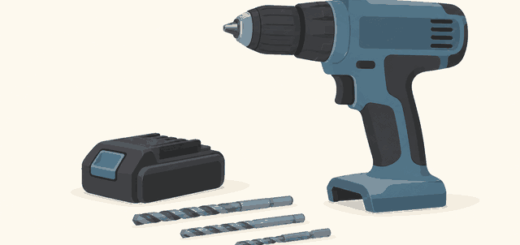
The price difference between a bare tool and a battery bundle can look simple: pay less for the tool, or pay more for a battery and charger. The better deal depends on what batteries you already own, how often you’ll use the tool, and whether the bundle includes useful battery capacity—not just a low headline price.
As an Amazon Associate we earn from qualifying purchases at no extra cost to you.


Start with your battery shelf
If you already have compatible batteries and a charger from the same tool platform, a bare tool is often the sensible choice. You’re not paying twice for equipment that will sit in a drawer. This is especially true for occasional-use tools, such as a light, small fan, or second drill for a home project.
“Compatible” means more than the same brand. Check the battery platform and voltage listed for the tool. A brand may sell several systems that do not share batteries. Also check whether an older battery is approved for the specific tool; high-demand tools can perform poorly or trigger a low-battery shutdown with a small, aging pack.
If you have no batteries in that platform, compare the bundle’s price with the bare tool plus a separate battery and charger. A bundle is not automatically a bargain: it may include a small battery that runs a high-draw tool for only a short time.
Compare the total cost
Use the cost of the complete setup you actually need, not just the tool’s listed price. If you already own a charger, don’t count another one as valuable unless you need a spare. If you need two batteries to work continuously, include both in the calculation.
| Situation | Usually better value | What to check |
|---|---|---|
| You own compatible batteries and a charger | Bare tool | Battery age, platform, and whether the tool needs a larger pack |
| You are entering a platform | Battery bundle | Battery capacity, charger type, and total cost versus buying separately |
| You need the tool for occasional light work | Bare tool, if your existing pack fits | Whether a short runtime is acceptable |
| You’ll use a power-hungry tool for long stretches | Bundle with a suitable battery, or separate larger pack | Runtime, heat, charge time, and the cost of a second pack |
For a quick check, subtract the bare-tool price from the bundle price. Then ask whether you would pay that difference for the included battery and charger on their own. Search current bare-tool prices and battery-and-charger kits, but compare the same platform and similar battery capacity. Promotions change, so check the current prices rather than relying on an old bundle deal.
Battery capacity matters as much as bundle price
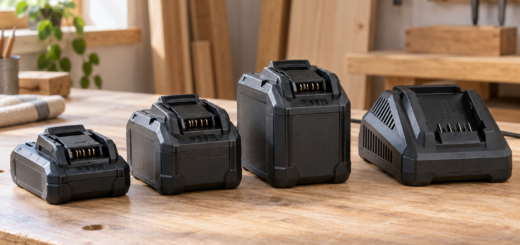
Battery capacity is usually stated in amp-hours (Ah). Within the same voltage platform, a 5 Ah battery generally stores more energy than a 2 Ah battery, but it is also heavier and may cost more. Capacity is not a precise runtime promise: material, tool load, temperature, battery age, and work habits all affect how long a charge lasts.
A compact 2 Ah pack can be a good match for a drill used to install shelves or assemble furniture. It keeps the tool lighter, and the work is usually broken into short bursts. For repeated cuts with a circular saw or extended grinding, that same small pack may run down quickly. A larger pack can reduce battery swaps, but it adds weight and may make an already tiring tool harder to handle.
Tool demand also changes what counts as a useful bundle. A compact battery may be fine for a light or impact driver, but a high-draw saw can feel weaker, stop under load, or need frequent recharging. Before buying, check the manufacturer’s recommended battery range for the tool, especially for saws, grinders, and other tools that run under sustained load.
When a bare tool is the right buy
Choose bare when the platform is already established at home, the included battery would be redundant, or you can borrow a compatible pack for a short job. It is also a good way to add a second tool without accumulating chargers and small batteries you won’t use.
The main failure mode is assuming an old battery is still dependable. A pack that once lasted all day may now quit after a few cuts, and a small pack may overheat or shut down under heavy work. Test it on the intended task before relying on it for a full day. If the battery is swollen, cracked, unusually hot, or has damaged contacts, stop using it and follow the manufacturer’s disposal guidance.
Bare tools are less attractive when a new platform starter kit is on sale. If the bundle costs only a little more than the bare tool and supplies a battery you would otherwise need, buying bare can be false economy.
When a bundle is worth it
A bundle makes sense when it gets you onto a battery platform at a reasonable total cost, or when the included pack fills a real gap. For a first cordless tool, a starter bundle can provide a charger and battery in one purchase. For a demanding tool, look for a battery with enough capacity for the job, not simply the smallest pack in the box.
Bundles can also be worthwhile during seasonal sales, but compare like with like. A low-priced kit may include a compact battery, while a slightly more expensive kit may include a larger one. Check whether the charger is standard or fast, and whether you need its speed: a fast charger helps when one battery must cover a long work session, but it adds little value if you have several packs and work intermittently.
If you are choosing a platform rather than adding to one, consider the next tools you are likely to buy. A bundle is a poor deal if it locks you into a system with limited tool choices or batteries that cost more than alternatives you would prefer. On the other hand, the cheapest battery price is not enough reason to switch if you already own several compatible packs and chargers.
Make the call before checkout
Write down the tool price, the battery capacity included, and the cost of any extra pack you’ll need. Then compare that total with buying the bare tool and only the batteries required for your workload. For light, intermittent jobs, one small battery may be all you need. For long or demanding work, budget for a second battery or plan for charging breaks.
The best choice is the one that leaves you with a usable setup at the lowest honest cost—not the one with the biggest discount label. If you already own healthy, compatible batteries, buy bare. If you need to build a platform or replace an unreliable pack, a well-matched bundle can be the cheaper way to get working.