Best Value Homeowner Tool Kit for Routine Repairs on a Tight Budget
What's inside
As an Amazon Associate I earn from qualifying purchases. This post may contain affiliate links at no extra cost to you.
Best Value Homeowner Tool Kit for Routine Repairs on a Tight Budget
A useful homeowner tool kit does not need to include 100 pieces, a rolling case, or a premium brand name. For routine repairs, the best value comes from buying a small set of durable hand tools first, then adding power tools only when a real job requires them. A sensible starter setup can cost about $100 to $180, depending on whether you already own a drill and how much storage is included.
The goal is coverage: tightening hardware, hanging items, assembling furniture, measuring accurately, cutting small materials, and making basic plumbing or electrical repairs safely. Avoid kits padded with duplicate screwdriver bits, tiny sockets, and tools too specialized for occasional use.
As an Amazon Associate we earn from qualifying purchases at no extra cost to you.


The core tools worth buying first
A 16- or 25-foot tape measure, claw hammer, utility knife, slip-joint pliers, adjustable wrench, level, and a set of screwdrivers cover a surprising number of household jobs. Add a pair of long-nose pliers, diagonal cutters, hex keys, and a compact socket set if you assemble furniture, work on bicycles, or regularly tighten nuts and bolts.
For most homes, a basic homeowner hand tool kit is cheaper than buying these items separately. However, inspect the contents before buying. A kit with a 9-inch hammer, a short tape, and only two pliers may be less useful than a smaller kit with full-size tools.
| Tool | Useful minimum | What to check | Reasonable budget |
|---|---|---|---|
| Tape measure | 16 feet | Locking blade and readable markings | $8–$15 |
| Hammer | 16-ounce claw | Secure head and comfortable grip | $12–$25 |
| Screwdrivers | Phillips and slotted set | Magnetic tips and hardened shafts | $12–$25 |
| Pliers | Slip-joint and long-nose | Even jaw alignment and smooth pivots | $15–$30 |
| Utility knife | Retractable or folding | Tool-free blade changes and secure lock | $7–$15 |
| Level | 9-inch or 24-inch | Easy-to-read vials | $8–$20 |
Where the cheaper tool is fine
Low-cost tools are usually acceptable for light, infrequent work. A budget tape measure will measure shelves just as well as an expensive one. A basic level is fine for hanging pictures if its vial is accurate. An inexpensive utility knife also works well for cardboard, packaging, and drywall paper.
Spend more on tools that take force or can damage a fastener when they fail. Cheap screwdriver tips round over quickly, especially on tight screws. Poor pliers can slip and pinch your hand. Very cheap adjustable wrenches often have excessive jaw movement, which can round a nut. A modest increase from $8 to $15 or $20 often buys noticeably better fit and durability.
Do not use a hammer as a general-purpose pry bar, and do not substitute pliers for a wrench on finished plumbing fittings. Those shortcuts can leave dents, stripped fasteners, or leaks that cost more than the tool you avoided buying.
Choosing a drill without overspending
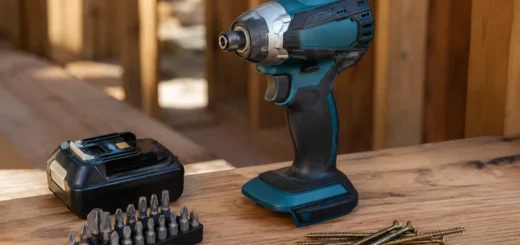
A cordless drill is the most useful power tool for many homeowners. For shelves, curtain rods, cabinet hardware, and furniture assembly, a 12-volt drill is typically enough and is lighter than an 18- or 20-volt model. Choose an 18- or 20-volt drill if you expect to drill into masonry, use large hole saws, drive long screws, or work on a deck.
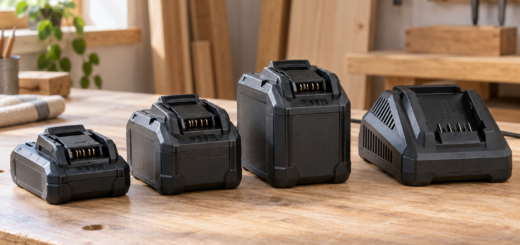
Buy a 12-volt cordless drill kit for ordinary indoor repairs, ideally with two batteries. One battery lets you work while the other charges. A kit with one battery may look cheaper but can become frustrating during a long project. Check whether the package includes a charger, battery, and case; bare tools are only a bargain if you already own that brand’s battery system.
For occasional use, brushed motors are not automatically a problem. Brushless models generally run cooler and use battery power more efficiently, but the price premium is harder to justify if you drill only a few holes each year. The more important features are a clutch, variable speed trigger, a keyless chuck, and a battery platform with other affordable tools.
Do not neglect bits and consumables
The included drill-bit set is often the weakest part of a budget kit. A practical starter set should include Phillips bits in sizes 1 and 2, slotted bits, Torx bits, driver nut-setters, and general-purpose drill bits. For wood and drywall, standard high-speed-steel bits work. For tile, concrete, or metal, buy the correct bit rather than forcing a general-purpose bit.
A mixed drill and driver bit set is usually better value than several small packages, but avoid sets with 100 pieces where half are duplicates. Replace a bit when its tip is visibly rounded or it requires heavy pressure. A slipping bit can damage the screw head and the work surface.
When to buy for the best value
Tool kits commonly receive discounts around Black Friday, Father’s Day, Father’s Day weekend, and the weeks before Christmas. Spring promotions are useful for drills, outdoor tools, and storage. Compare the normal price rather than trusting a claimed percentage discount; many “sale” prices are ordinary prices with a temporary label.
Battery tools are often cheapest as bundled kits during holiday promotions. Hand tools tend to have smaller discounts, so buy them when needed unless a kit includes genuinely useful pieces. After major holidays, open-box and clearance tools can be worthwhile, but check for missing batteries, damaged cases, and signs of a returned tool.
Small safety purchases that prevent expensive mistakes
Add safety glasses, work gloves, a dust mask appropriate to the material, and a small flashlight. These items may add only $15 to $30 but reduce the chance of eye injuries, splinters, and missed damage in dark cabinets or crawlspaces. Keep tools dry, wipe dirt from pliers and wrenches, and store sharp blades closed.
Finally, leave electrical panel work, gas connections, structural changes, and refrigerant systems to qualified professionals. A budget tool kit is for routine repairs, not for making an uncertain job more dangerous. Buy the cheapest tool that fits the job reliably—not the cheapest tool on the shelf.