How to Make a Tool Budget for Seasonal Yard Maintenance
What's inside
As an Amazon Associate I earn from qualifying purchases. This post may contain affiliate links at no extra cost to you.
A seasonal yard-maintenance budget works best when it starts with the jobs your property actually needs, not a shopping list of new tools. A small lawn, a few shrubs and a rake may call for little more than replacement blades and a battery. A large lot with mature trees may justify spending on powered equipment—or paying someone else for occasional heavy work.
As an Amazon Associate we earn from qualifying purchases at no extra cost to you.

List the seasonal work first
Write down the jobs you do in spring, summer and fall, then note which tools are essential for each. Spring might mean pruning, edging and clearing winter debris; summer can bring regular mowing and trimming; fall often means leaf cleanup and gutter work. Add the time you spend on each task and how often you do it. That gives you a way to judge whether a purchase saves enough effort to matter.
Separate recurring needs from one-time problems. If you prune a few branches once a year, renting or borrowing a saw may beat buying one. If you mow weekly for five months, a reliable mower is a recurring-use purchase. Also consider storage, maintenance and noise restrictions: a cheap tool that is difficult to store or keep running may not be a bargain.
Set a realistic spending limit
Choose a maximum amount before browsing. One practical approach is to divide the budget into three parts: maintenance and consumables, replacement or essential tools, and optional upgrades. For example, on a $500 seasonal budget, you might reserve $75 for line, bags, blades and safety gear; $300 for a needed tool; and keep $125 uncommitted for repairs or unexpected work. Adjust the proportions to fit what you already own.
Do not spend the whole amount just because it is available. Set aside money for failure points: mower blades that need sharpening, a trimmer head that wears out, a battery that no longer holds a useful charge, or a replacement cord. A tool’s purchase price is only part of its cost.
Compare costs by tool type
Prices vary by size, power source and included accessories, so use these ranges as planning estimates rather than fixed market quotes. Check whether the listed price includes a battery, charger, collection bag or compatible accessories. Those extras can change the real cost substantially.
| Tool or approach | Typical budget range | Often good value when | Cost to watch |
|---|---|---|---|
| Manual rake, pruners and hand tools | $15–$80 each | The yard is small or work is occasional | Low upfront cost, but more time and physical effort |
| Electric string trimmer | $50–$200, often more with battery and charger | You have light-to-medium trimming and compatible batteries | Battery replacement; included batteries may be small |
| Walk-behind mower | $200–$600 or more | You mow regularly and need dependable capacity | Blade, battery or engine maintenance; storage space |
| Leaf blower | $40–$250 or more | Leaves or clippings are frequent and manual cleanup takes too long | Battery and charger cost; noise and run time |
| Rental or hired service | Varies by tool, location and job | Work is rare, large or difficult to store equipment for | Multiple rental days or repeat service calls |
Buy for the yard you have
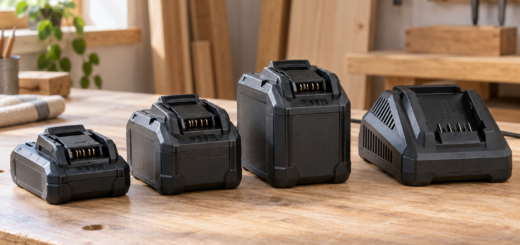
For a small lawn with modest edging, a corded tool or hand tools can be the sensible choice if an outlet is nearby and the cord will not cross a hazard. Battery tools cost more upfront, but avoid managing a cord and can share batteries across compatible equipment. If you already own a battery platform, compare the bare-tool price with a kit price; buying a second charger and battery you do not need wastes money.
For trimming, compare cordless string trimmers against the amount of work. A small battery may handle edging and grass around a few trees but run short on a large, overgrown lot. Common frustrations include weak cutting in thick weeds, line that breaks often, and batteries that fade before the job is done. Choose more capacity only if your workload calls for it.
Likewise, a blower is not essential for every yard. A rake is cheaper, quieter and effective for manageable leaf piles, though it takes longer. A corded electric leaf blower can be an affordable option near an outlet; a battery model is easier to move around but adds battery cost. For a few cleanup days each year, renting or hiring help may beat storing and maintaining a powerful blower.
Compare brands by total platform cost
Do not compare brands by tool price alone. Check warranty terms, local repair access, battery availability and the cost of a replacement battery. A lower-priced tool may be a good deal if it suits light use and replacement parts are easy to find. Paying more can make sense for frequent work, but a premium brand is not automatically better value for an occasional homeowner.
If you are entering a battery system, price the first tool as a kit and the next tool as a bare unit. A starter kit that costs $80 more but includes a useful battery and charger may be cheaper than assembling the same setup separately. On the other hand, buying into a platform for one seasonal task may not pay off if you could rent or use a corded tool instead.
Time purchases and avoid false savings
Buy before the busiest weeks if you can compare options without pressure. Spring demand can make popular equipment harder to find, while end-of-season clearance may offer value if you can wait and the warranty remains intact. Verify return rules and whether clearance stock is new, complete and covered by the same warranty.
Avoid bargain tools with damaged housings, missing safety guards or no clear parts support. A low sticker price is not worth a failed motor halfway through a job. For routine yard work, however, the cheapest option can be perfectly adequate: a simple rake, basic pruners or an entry-level trimmer may last for years when used lightly and stored dry.
Review the budget before checkout
Before buying, write down the tool, full kit cost, expected consumables and the job it solves. Ask whether the tool will be used several times a season, shared across compatible equipment, or stored unused most of the year. If it is a one-off job, compare the purchase price with rental and service costs. Buy the smallest capable setup, keep a reserve for maintenance, and upgrade only when a real limitation—such as insufficient run time or repeated breakdowns—shows that the cheaper option no longer fits.