Best Budget Corded Reciprocating Saw for Demolition Projects
What's inside
As an Amazon Associate I earn from qualifying purchases. This post may contain affiliate links at no extra cost to you.
Best Budget Corded Reciprocating Saw for Demolition Projects
For demolition, a corded reciprocating saw is usually the best value when you have reliable power nearby. A budget corded saw costs less than a comparable cordless kit, does not require batteries, and can keep cutting through repeated jobs without waiting for a charger. The trade-off is straightforward: you must manage the cord, and you lose the convenience of working inside walls, on roofs, or around a rough construction site without an outlet.
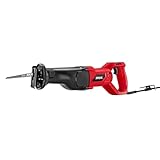
For most homeowners and occasional remodelers, the sweet spot is a 10-amp corded reciprocating saw with variable speed, a pivoting shoe, and a tool-free blade clamp. A 12-amp model is preferable for heavy demolition, but it is often heavier and may cost enough more that the extra power is wasted on occasional work.
As an Amazon Associate we earn from qualifying purchases at no extra cost to you.


What to Look for in a Budget Saw
Motor rating: A 9-amp saw can handle drywall, plastic pipe, small branches, trim, and occasional wood framing. A 10-amp saw is a better all-around choice for demolition because it has more reserve when the blade binds in lumber. A 12-amp saw is useful for cutting stacks of framing lumber, thick nails, cast iron, or repeated remodeling work, but it is harder on your arms.
Do not treat amperage as a direct measure of cutting speed. Blade quality, orbital action, stroke length, and your cutting technique matter just as much. A cheap saw with a sharp demolition blade can outperform a more powerful saw using a worn general-purpose blade.
Stroke length and speed: A stroke length around 1-1/8 inches is common and works well for demolition. Longer strokes can cut faster but also create more vibration. Variable speed is important when starting a cut in metal, plastic, or finished wood. A top speed around 2,700 to 3,000 strokes per minute is sufficient for typical construction materials.
Blade clamp and shoe: A tool-free clamp saves time when changing from wood to metal blades. Check that the clamp accepts the blade securely without excessive wobble. A pivoting shoe helps keep the blade engaged as the saw moves through uneven material. A fixed shoe is usable, but it requires more careful positioning.
Vibration control: This is where many budget saws reveal their limits. Some movement is unavoidable, but excessive vibration makes accurate cuts difficult and causes fatigue after several minutes. If possible, hold a saw in a store or buy from a retailer with a practical return policy. A low price is not a bargain if the tool loosens your grip or leaves your hand numb.
Budget Corded Saw Comparison
| Type | Best use | Typical price range | Main compromise |
|---|---|---|---|
| 8- to 9-amp basic saw | Light remodeling, trim, PVC, occasional wood | $45-$75 | Slower in thick lumber and more likely to bog down |
| 10-amp general-purpose saw | Home demolition and routine repairs | $60-$100 | Usually heavier than compact models |
| 12-amp demolition saw | Frequent framing, nail-embedded wood, and heavy cuts | $90-$150 | More weight, vibration, and electrical demand |
| Professional 13- to 15-amp saw | Daily contractor use and severe demolition | $150 and up | Overkill for occasional household projects |
Prices change frequently, but this range is useful when comparing value. A basic 8- or 9-amp saw is fine if you are removing a vanity, cutting out drywall, or replacing a few sections of pipe. The cheaper option becomes frustrating when you are cutting through old wall studs containing nails or working through several rooms of framing.
The Best Value Choice for Most Buyers
A 10-amp corded reciprocating saw is the safest budget recommendation for general demolition. It offers enough power for standard 2-by lumber, nails, plywood, plastic pipe, and light metal work without the cost and weight of a professional high-amperage model.
Look for a saw with a two-finger trigger or comfortable variable-speed trigger, a lock-on button for long cuts, and a rubberized grip. A cord of at least 6 feet is preferable; a short cord forces you to add an extension connection near the work area. Use a heavy-duty extension cord rated for the tool, preferably 12-gauge for longer runs or high-amp saws. Undersized cords can cause voltage drop, heat, and weak cutting performance.
Brand matters, but less than the feature set at this price. Established brands generally offer better switches, blade clamps, replacement support, and warranty handling. A less expensive store-brand saw can still be a good purchase for one bathroom or kitchen demolition, especially when it costs 25% to 40% less than a recognized professional model.
When Spending More Makes Sense
Move up to a 12-amp corded reciprocating saw with orbital action if you regularly cut thick lumber or need to remove framing quickly. Orbital action moves the blade in a slight forward-and-back ellipse, which can speed cuts in wood. It is not helpful for every material: turn it off for metal, pipe, and controlled flush cuts because the aggressive motion can damage the workpiece and increase blade wandering.
Paying more is also justified for a better anti-vibration system, a stronger shoe, or a blade clamp that does not jam after exposure to dust and paint. These features matter more than a small increase in advertised strokes per minute. A professional saw may save time over hundreds of cuts, but it will not automatically compensate for a dull blade or poor support.
Blades, Cutting Technique, and Safety
Budget for blades. A demolition pack with wood, metal, and combination blades often costs $15 to $30, and the included blade in a low-priced saw may be mediocre. Use a coarse 6- to 9-teeth-per-inch wood blade for fast framing cuts, a 10- to 14-teeth-per-inch combination blade for nail-embedded wood, and a fine metal blade for steel pipe and sheet metal.
Support the material close to the cut and let the saw do the work. Forcing the tool bends blades, overheats the motor, and can damage the blade clamp. If the saw stalls repeatedly, release the trigger, reposition the shoe, or install a sharper blade. Before cutting, shut off water and electricity, check for hidden wiring and pipes, and use eye protection, hearing protection, gloves, and a dust mask where appropriate.
For seasonal buying, watch late-spring home-improvement sales and November holiday promotions. Corded saws are often discounted when stores promote cordless platforms, particularly in multipacks or clearance sections. Compare the actual tool price rather than a claimed list price. If you already own compatible batteries, a corded variable-speed reciprocating saw can still be the better demolition purchase because it avoids battery wear and charging delays.
Choose the cheapest 8- or 9-amp model when the job is small and infrequent. Choose the 10-amp class for the best balance of cost and capability. Spend extra on a 12-amp saw only when the work volume, material thickness, or reduced cutting time will genuinely repay the difference.