How to Estimate the Total Cost of Owning a Tool Over Five Years
What's inside
As an Amazon Associate I earn from qualifying purchases. This post may contain affiliate links at no extra cost to you.
The purchase price is only the first line on a tool’s five-year bill. Batteries wear out, accessories disappear, repairs take time, and a tool that is used twice a year may not justify the same spending as one used every weekend. A simple ownership estimate puts those costs in the same frame and makes brand comparisons more useful.
Start With the Five-Year Cost Formula
Use this basic calculation:
Five-year ownership cost = purchase price + accessories and consumables + batteries or chargers + repairs and maintenance + replacement cost − resale value
Do not count materials used in the project itself. Sandpaper, drill bits, blades, fuel, and fasteners are included only when they are tool-specific or represent a realistic recurring expense. For example, a circular saw blade is a consumable tied to the saw, while lumber is not.
Estimate usage before comparing products. A homeowner who drills 20 holes each year has different needs from someone building decks every summer. Write down expected annual jobs, then multiply consumable and maintenance costs by five. If you are unsure, use a low and high estimate rather than pretending the number is precise.
Separate Fixed and Recurring Costs
Fixed costs are paid once or infrequently. These include the tool, a charger, a battery starter kit, a case, and unusual accessories. Recurring costs include blades, bits, sanding discs, fuel, filters, lubrication, and replacement batteries.
This distinction exposes misleading bargains. A bare cordless tool may cost $80, but a battery and charger can add $100 to $180. If you already own compatible batteries, the bare tool may be the better deal. If you are starting a new platform, compare the complete kit price instead.
For corded tools, include the cost of a suitable extension cord if you do not have one. For gas equipment, include fuel stabilizer, oil, spark plugs, air filters, and fuel. A gas pressure washer that costs less than a battery model can still cost more over five years if it is used frequently and stored poorly.
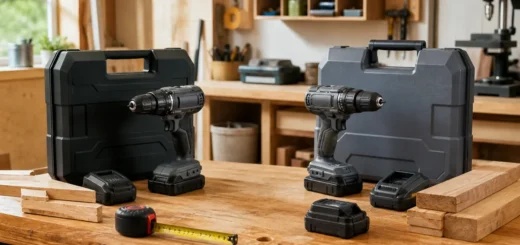
Example: A Five-Year Cordless Drill Comparison
These are realistic planning figures, not guaranteed prices. The important point is how the costs behave over time.
| Cost over five years | Budget cordless kit | Midrange cordless kit | Premium cordless kit |
|---|---|---|---|
| Tool, battery, and charger | $100 | $180 | $280 |
| Bits and accessories | $60 | $75 | $90 |
| Replacement battery | $70 | $90 | $120 |
| Repairs or maintenance allowance | $25 | $35 | $50 |
| Estimated resale value | −$15 | −$35 | −$70 |
| Estimated five-year cost | $240 | $345 | $470 |
The budget drill is fine if it is used for furniture assembly, light repairs, and occasional pilot holes. The midrange option may earn its price through a better chuck, stronger gearbox, longer warranty, and a battery system shared with other tools. The premium model is harder to justify for light household use unless it saves substantial time or must survive frequent work.
Account for Failure Modes
Tools rarely fail at random. Identify the parts most likely to wear out and assign a cost to them.
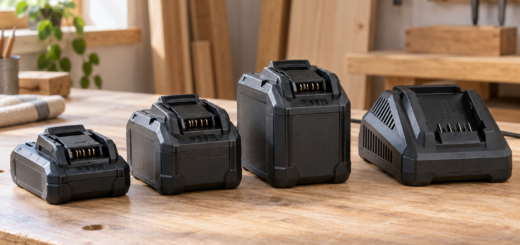
On cordless tools, batteries are often the largest five-year risk. Heat, deep discharge, and leaving a pack fully charged for long periods can shorten its life. A realistic homeowner estimate is one replacement battery during five years if the tool is used regularly; occasional users may get longer. Check battery prices before choosing a platform, not after buying into it.
On drills and impact drivers, worn chucks, stripped gears, overheating, and trigger failure are common failure points. On saws, blades, brushes, switches, and damaged power cords matter more. On lawn equipment, stale fuel and clogged carburetors are frequent causes of “failure” that are actually maintenance problems.
Set aside a repair allowance instead of assuming the warranty will solve everything. Shipping, diagnostic fees, downtime, and damage caused by misuse may not be covered. A $25 allowance for a basic homeowner tool is reasonable; heavy-use equipment deserves a larger reserve.
Calculate Cost Per Use
Divide the five-year ownership cost by the number of jobs or uses. If a $240 drill is used 100 times, its cost is $2.40 per use. If it is used only ten times, the cost is $24 per use, before counting your time.
This is where renting can win. A specialized tile saw, drain auger, or large floor sander may cost hundreds to own but less than $100 to rent for a weekend. Ownership makes more sense when rental fees, transport, deposits, and scheduling problems add up, or when the tool is needed unexpectedly.
For frequent work, include productivity. A tool that completes a job 20 minutes faster may justify a higher price. At a personal value of $20 per hour, saving 20 minutes across 30 jobs is worth about $200. Do not assign this benefit if the faster tool merely has features you will not use.
Compare Platform Value, Not Just Brand Names
For cordless tools, the platform is often more important than the first tool. Look at the price of bare tools, batteries, chargers, and common replacement parts. A brand with a cheap starter kit may become expensive if every additional battery costs $150. Conversely, paying more for a platform can be sensible if you expect to add several tools.
For occasional drilling and driving, a cordless drill driver kit from a reputable budget brand is usually enough. If you need impact-rated fastening, compare an cordless impact driver kit only when the extra torque solves a real problem.
Buy a corded circular saw when you cut sheet goods or framing lumber infrequently and have reliable power nearby. It avoids battery replacement entirely. For remote work or repeated cuts, a cordless circular saw kit may save setup time, but include at least one spare battery in the estimate.
Use Seasonal Pricing Carefully
Major holiday sales, spring outdoor-equipment promotions, and end-of-year clearance can reduce tool prices by 15% to 30%, but the lowest sticker price is not always the best value. A kit bundled with a small battery may be cheaper than a tool-only package while being less useful. Compare the full kit contents and warranty.
Buy before the project, not during an emergency. Last-minute purchases often mean paying full price, accepting the wrong tool, or buying duplicate batteries. Keep a target price based on your five-year estimate, then wait for a sale when the job is not urgent.
The best choice is the one whose likely cost matches your actual use. Spend more for durability, serviceability, battery compatibility, or meaningful time savings. Spend less when the tool will sit on a shelf and the consequences of failure are minor.