How to Compare Tool Prices With Rebates, Coupons, and Instant Discounts
What's inside
As an Amazon Associate I earn from qualifying purchases. This post may contain affiliate links at no extra cost to you.
Compare the price you’ll actually pay
A tool’s shelf price is only the starting point. A $199 kit with a $40 instant discount may cost less today than a $179 kit that advertises a $50 rebate, even before you account for sales tax, shipping, and how long the rebate takes to arrive. Compare the amount you must pay at checkout, then subtract only savings you’re reasonably sure you’ll receive.
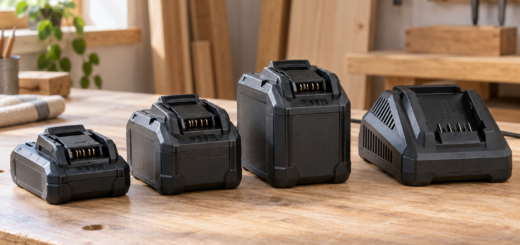
Write down four figures for each offer: the pre-discount price, the checkout price, the rebate amount, and any required extras. Those extras might include a battery, charger, blade, or shipping fee. A bare tool priced at $99 can be a poor deal if you need to spend another $100 on a battery and charger; it may still make sense if you already own compatible batteries.
Use the same comparison for kits and bare tools. A kit’s extra battery has real value only if you’ll use it. If it will sit in a drawer, don’t count its full retail price as a saving.
Separate instant savings from rebates
An instant discount reduces the price at checkout. It is simple to verify and usually appears on your receipt. A rebate requires you to complete a separate process, such as submitting a form, uploading proof of purchase, and waiting for a prepaid card or check. Treat the rebate as a possible future saving, not cash already in your pocket.
For example, compare a tool priced at $240 with a $30 instant discount against one priced at $220 with a $50 mail-in rebate. The first costs $210 at checkout; the second costs $220, then potentially $170 after the rebate. If both qualify and you complete the paperwork, the rebate offer wins by $40. If you miss the deadline or submit the wrong receipt, you paid $10 more than the instant-discount option.
Before counting a rebate, check the eligible models, purchase dates, retailer list, submission deadline, and required documents. Save the receipt and take a screenshot of the offer. If the terms are unclear, compare prices without the rebate and decide whether that less favorable price still works for you.
Compare offers side by side
Use a simple table, and keep each offer’s conditions visible. The figures below are examples; real promotions and prices vary.
| Offer | Price at checkout | Conditional savings | Likely cost after savings | Main catch |
|---|---|---|---|---|
| Instant discount | $210 | $0 | $210 | Discount may apply only to selected versions |
| Mail-in rebate | $220 | $50 | $170 | Requires a valid, on-time claim |
| Coupon plus free battery | $200 | Battery included | $200 | Battery has value only if you need it |
| Bundle with consumables | $230 | Two blades included | $230 | Included accessories may not suit your work |
To compare cost per use, divide your expected cost by the number of times you expect to use the tool. A $120 saw used 12 times costs $10 per use; a $200 saw used 100 times costs $2 per use. These are planning figures, not guarantees, but they help distinguish a sensible occasional-use purchase from a tool meant for regular work.
Check coupons and bundles carefully
Coupons can be a straightforward discount, but their limits matter. Check whether the code excludes sale items, applies only to one brand, or requires a minimum spend. A coupon that saves $25 on a $250 tool is a 10% reduction; adding an unnecessary $60 accessory to reach a threshold does not save money overall.
Bundles need a similar check. Price the useful items separately, using current prices rather than the bundle’s claimed list value. If a $260 package includes a tool you need, a charger you lack, and two blades you would buy anyway, compare it with the cost of those same items separately. If the package includes a duplicate charger or accessories you won’t use, assign them little or no value.
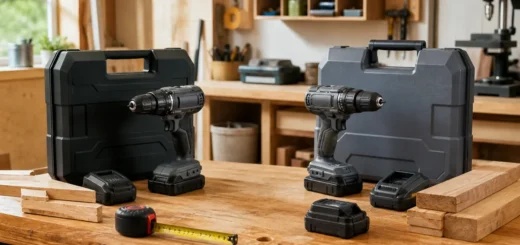
For a first cordless purchase, compare a complete cordless drill-driver kit with a bare tool plus battery and charger. A kit often makes more sense when you are entering a battery platform. Existing platform owners may get better value from a bare tool, provided the battery is compatible and has enough capacity for the job.
Factor in tax, shipping, and returns
Compare the final checkout total, not just the advertised price. Sales tax can erase a small discount, and shipping can turn an online bargain into a more expensive purchase. Also check the return window and whether a rebate must be repaid or becomes invalid if you return the tool.
For a tool you haven’t used before, a clear return policy has practical value. A cheap deal with a short return window may be a poor fit if you cannot test the tool promptly. Keep packaging and receipts until you have confirmed the tool works and the promotion has been processed.
Time your purchase around real needs
Seasonal sales can lower prices, but waiting only helps if the delay does not disrupt a project. Major holiday promotions, spring sales, and end-of-season clearances may bring worthwhile discounts, but not every advertised markdown is a true bargain. Check the recent price history if available, and compare the same kit contents rather than similarly named packages.
If you need a tool for one task, consider whether renting or borrowing is cheaper than buying, especially for a specialized tool likely to be used once. For recurring work, paying more for a durable tool or a battery platform you already own can be better value than buying the lowest-priced option. A bare-tool circular saw may suit someone with compatible batteries, while a complete kit is more practical for a first-time buyer.
Make the decision
Rank offers by reliable savings first: checkout price, required accessories, tax, and shipping. Then account for a rebate only after checking its terms and deciding how likely you are to file it correctly. Finally, consider warranty coverage, return terms, battery compatibility, and whether the tool suits your workload.
The cheapest sticker price is not always the lowest-cost choice, but a higher price is not automatically justified by a brand name or a large bundle. Buy the least expensive option that has the right capacity, compatible accessories, and acceptable support for the work you actually plan to do.