How to Choose a Budget Backup Tool for a Busy Home Workshop
What's inside
As an Amazon Associate I earn from qualifying purchases. This post may contain affiliate links at no extra cost to you.
What a backup tool needs to do
In a busy home workshop, “backup” can mean a second tool for production work, a spare for when the main tool fails, or a way to keep working during a power outage. Those jobs call for different purchases. Before comparing brands, identify the task that would actually stop your work: drilling a pilot hole, driving screws, cutting stock, or charging batteries.
For occasional use, a cheaper corded tool or a basic spare may be perfectly adequate. For daily work, the backup needs to handle the same material and workload as the primary tool without overheating, bogging down, or forcing you to buy a separate battery system. Spend on the bottleneck, not on a duplicate of everything.
As an Amazon Associate we earn from qualifying purchases at no extra cost to you.


Set a realistic budget
Compare the cost of a complete working setup, not just the tool on the product page. A bare cordless tool may look like a bargain, but it is no use if you do not already own a compatible battery and charger. A kit with a small battery can also be poor value for a high-draw tool such as a circular saw.
Set a ceiling that includes batteries, charger, and any adapter or accessory needed for your work. As a rough planning guide, reserve an extra 20 to 40 percent above the bare-tool price if you need a battery and charger. Check current prices rather than treating that range as a guarantee: bundles and seasonal discounts can change the calculation.
Compare the real cost
| Backup choice | Best fit | Value trade-off |
|---|---|---|
| Existing-platform bare tool | You already own compatible batteries | Lowest entry cost, but check that the battery has enough capacity for the task. |
| Starter kit | You need a battery and charger too | Higher upfront cost; often better value than buying each item separately. |
| Corded tool | Stationary or occasional work near an outlet | Avoids battery costs, but the cord can snag or limit reach. |
| Lower-cost second-brand tool | Light-duty or infrequent backup use | Can save money, but creates a separate battery and charger system. |
One battery platform usually wins on convenience if you already own several tools in it. But do not treat that as an automatic reason to buy the same brand: a cheap bare tool can still cost more than a corded alternative once you add batteries. If the spare will sit unused for months, the corded option may be the more sensible insurance policy.
Match the backup to the work
For a second drill or impact driver, check chuck size, speed settings, and whether the tool feels controllable with your usual fasteners. A compact drill can be a useful spare for pilot holes and small bits, but it may struggle with large hole saws. A budget impact driver is fine for occasional deck screws; repeated long screws into dense lumber can expose weak battery performance and heat buildup.
For cutting, think about the material and cut length. A corded circular saw is often a good-value backup if your cuts are near an outlet and you can manage the cord safely. A budget cordless saw may be convenient for quick cuts, but small batteries can run down fast in thick stock. Avoid forcing a saw that slows noticeably: that can produce rough cuts and increase the chance of binding.
For sanding or grinding, match the tool to the duty cycle. A low-cost random-orbit sander may be adequate for occasional trim work, while a long session can overheat a light-duty unit or make vibration tiring. Read the manual’s operating limits, keep vents clear, and let a hot tool cool rather than pushing it until it fails.
Check platform and service costs
If you want to stay within your current battery system, compare the cordless drill bare tools that fit your batteries. Confirm the exact voltage and battery fit; similar-looking packs from different platforms are generally not interchangeable. Also check whether the tool is sold with a belt clip, side handle, or other part you rely on. A missing small accessory can turn a low price into an extra purchase.
For a backup that does not need to match your cordless setup, compare corded circular saws against cordless versions on total cost. Consider cord length, blade size, warranty terms, and whether local repair or replacement parts are available. A lower purchase price is less attractive if a failed switch or worn part means replacing the whole tool.
Brand reputation matters most when you need batteries, parts, or warranty service. Check the warranty for the actual seller and product, not just the brand’s general policy; marketplace listings can vary. For a lightly used spare, a shorter warranty may be an acceptable trade-off. For a tool expected to run every day, dependable service and platform availability are worth paying for.
Buy at the right time
Watch for seasonal kit promotions around major holiday sales and spring workshop or outdoor-project periods. Compare the bundle’s battery capacity and included charger against what you would buy separately. A discount on a larger battery is not savings if the tool will only be used for a few short jobs, while a tiny battery may be a false economy for a saw or grinder.
Check price history where possible and compare at least two sellers. A coupon or bundle can beat a headline discount, but only if the kit contains items you will use. Avoid buying a second battery just because it is included if you already have enough; instead, direct that budget toward a better-fitting tool or spare blades and bits.
Avoid common backup mistakes
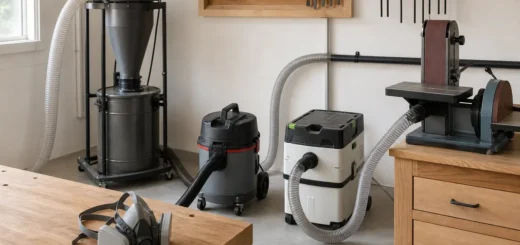
Do not buy a backup that duplicates the same failure point. If the main tool stops because all batteries are flat, another bare cordless tool will not help. Keep one charged spare pack, or choose a corded backup for work that can be done safely near an outlet. If the main tool failed from dust or overheating, a second tool used in the same conditions may fail the same way; improve dust collection and cooling first.
Finally, test the backup soon after purchase. Run it on the material and task you expect it to handle, check that the battery locks securely, and confirm that the charger works. Keep the receipt and store the spare clean and dry. A backup earns its space by being ready when needed, not by having the lowest sticker price.