How to Decide Whether to Buy a Leaf Blower Before Autumn Cleanup
What's inside
As an Amazon Associate I earn from qualifying purchases. This post may contain affiliate links at no extra cost to you.
Autumn cleanup does not automatically justify buying a leaf blower. For a small yard, a rake and tarp may be faster overall once charging, storage, noise, and maintenance are counted. A blower earns its space when you regularly clear a driveway, patio, roof valleys, deck, or more than roughly 5,000 square feet of lawn. The right decision depends less on the biggest air-speed number on the box and more on how much material you move, how far you carry it, and whether you already own batteries in a compatible tool system.
As an Amazon Associate we earn from qualifying purchases at no extra cost to you.

Start With the Job, Not the Blower
Dry leaves are easy. Wet leaves, pine needles, seed pods, and packed debris are where cheap blowers reveal their limits. For routine residential cleanup, look for a blower rated around 350 to 500 CFM. Air speed around 100 to 150 MPH is useful for loosening leaves from grass and moving them across pavement, but CFM usually matters more when you are clearing a large pile.
A compact blower in the 200-to-350-CFM range can be perfectly adequate for a porch, car, walkway, or small suburban lot. It is also easier to control around flower beds. A high-output unit may scatter leaves into neighbors’ yards or push them under shrubs instead of gathering them.
Before shopping, estimate the work:
- Small cleanup: less than 30 minutes, mostly hard surfaces and a few bags of leaves.
- Medium cleanup: 30 to 90 minutes, with leaves across a lawn, driveway, and deck.
- Large cleanup: over 90 minutes, heavy wet leaves, pine needles, or several properties.
If the job is small and occasional, buying a basic corded blower or inexpensive battery unit is reasonable. For long sessions, a backpack gas blower or a high-voltage battery model may save time, but the purchase price and operating costs rise quickly.
Compare Power Types by Total Cost
| Type | Typical street price | Best use | Main drawback |
|---|---|---|---|
| Corded electric | $35–$90 | Small lots, patios, driveways | Extension cord limits reach and can snag |
| Battery handheld, tool-only | $80–$220 | Quick cleanup when you own the battery | Battery and charger can add $80–$200 |
| Battery kit with battery and charger | $150–$400 | Homes wanting low maintenance and easy starts | Runtime and replacement batteries are expensive |
| Gas handheld | $150–$300 | Longer work and heavier debris | Fuel, winter storage, noise, and maintenance |
| Gas backpack | $300–$700+ | Large properties or frequent professional-style work | Overkill for many homeowners |
A corded blower is often the strongest value for a small property with an outdoor outlet. A 100-foot extension cord typically costs less than a battery and can provide unlimited runtime. The failure mode is practical rather than mechanical: you may spend more time managing the cord than blowing leaves, especially around trees, fences, and parked cars.
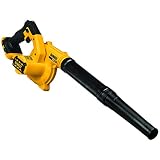
Battery blowers are the easiest to live with. They start instantly, produce no exhaust, and require almost no seasonal maintenance. The catch is runtime. A small battery may last 10 to 20 minutes at full power, while a larger pack may provide 20 to 45 minutes depending on the blower and operating mode. Cold weather, wet debris, and constant use of the turbo setting reduce that further.
If you already own batteries, compare tool-only cordless leaf blowers in that system first. Buying another charger and battery can erase the apparent bargain. On the other hand, do not choose a weak blower simply because its battery matches your drill. A small drill battery may be convenient but unsuitable for clearing a large lawn.
Judge Brand Value by the System
Brand value is not just the name printed on the blower. It includes battery availability, warranty support, replacement parts, and whether the company sells compatible outdoor tools. A $180 blower kit may be a good purchase if the battery also powers a trimmer and chainsaw. It is poor value if the battery is proprietary, costly, and used only once each fall.
For occasional use, a less expensive corded model is usually safe to buy from a recognizable tool or outdoor-equipment brand. The motor may be louder and the controls less refined, but those shortcomings matter less during four cleanup sessions per year. Avoid no-name battery platforms with few replacement packs and unclear warranty terms.
For frequent work, look for a brushless motor, a variable-speed trigger, a cruise-control lock, and a replaceable battery. A metal scraper on the tube can help loosen wet leaves, but it is not essential. If you need to move leaves uphill, across a long driveway, or into a large pile, prioritize output and ergonomics over a low advertised price. You can compare brushless cordless blower kits by battery size and included accessories rather than relying on MPH alone.
Time the Purchase Around Autumn
Do not wait until the first major leaf drop if you need a specific battery platform. Popular kits can sell out, and emergency purchases tend to be expensive. Start checking prices in late summer, then compare again during September and October promotions. The best discount is often on a kit that includes a battery, charger, and trimmer rather than on a blower sold alone.
Late autumn can bring clearance pricing, but selection is worse. If your current blower still works, waiting until November or December may save 10% to 25%. Check whether the warranty begins at purchase and whether the seller is authorized. An unusually low price can mean an older battery, a refurbished unit, or a listing without meaningful support.
When Not to Buy One
Skip the purchase if you have a very small yard, only a few trees, and a place to compost or bag leaves nearby. A rake, tarp, and stiff broom can handle that workload for under $50, with no charging or fuel issues. Also skip a handheld blower if you routinely clear several hours of wet leaves. You may be better off renting a backpack blower for one weekend or paying for a cleanup service.
If you do buy, purchase enough capacity for the actual job, not the most impressive specification. A modest corded unit is the honest budget choice for a small property; a battery blower is worth paying for when convenience and quick touch-ups matter; and a high-output gas or backpack model makes sense only when long runtime and heavy debris justify its extra noise, maintenance, and cost.