Best Affordable Tool Tote for Carrying a Basic Repair Kit
What's inside
As an Amazon Associate I earn from qualifying purchases. This post may contain affiliate links at no extra cost to you.
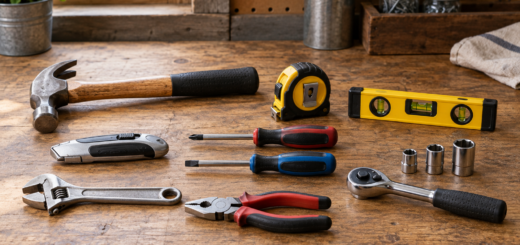
A basic repair kit does not need a $100 contractor bag. For most homes, a small open-top tool tote in the $15 to $35 range is the best value. It should carry a hammer, screwdrivers, pliers, adjustable wrench, tape measure, utility knife, bits, fasteners, and a few small electrical or plumbing supplies without becoming so large that it turns into a portable junk drawer.
As an Amazon Associate we earn from qualifying purchases at no extra cost to you.


What to look for in an affordable tool tote
Start with size. A tote around 12 to 16 inches wide is large enough for routine household repairs but still easy to carry with one hand. A 20-inch tote can hold more, but it encourages overloading and becomes awkward on stairs. For a basic kit, a practical target is 10 to 20 pounds of tools and supplies.
Look for a reinforced open rim, a comfortable handle, and several exterior pockets. The pockets should hold the tools you use most often rather than simply adding more storage. Four to eight useful pockets are generally enough. Deep pockets work for pliers and screwdrivers; shallow pockets are better for a pencil, bit holder, or utility knife.
A rigid plastic or molded base matters more than a premium fabric label. The base keeps the tote upright, protects tools from a damp floor, and prevents small parts from disappearing into a sagging bottom. If the tote will live in a vehicle or garage, choose a water-resistant bottom and fabric that can be wiped clean.
For a straightforward household kit, compare small open-top tool totes with enclosed tool bags before buying. An open tote offers faster access, while a zippered bag provides better protection from dust and spilled contents.
The best affordable tote types
| Tote type | Typical price | Best use | Main drawback |
|---|---|---|---|
| Basic fabric tote with plastic base | $15–$25 | Household repairs and light DIY | Thin fabric and handles may wear under heavy loads |
| Heavy-duty open tote | $25–$45 | Frequent repairs and mixed hand tools | Costs more and is easy to overfill |
| Molded plastic tool box with tray | $15–$35 | Small parts, dusty storage, and vehicle use | Slower access and less comfortable to carry |
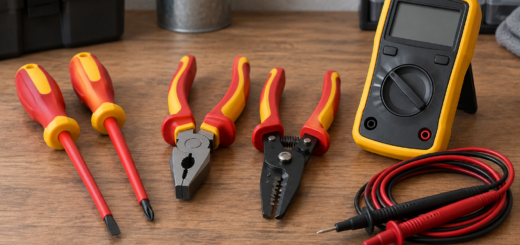
| Compact electrician-style tote | $20–$40 | Organized screwdriver, tester, and plier kits | Many narrow pockets do not fit bulky tools |
The basic fabric tote with a molded base is the default recommendation for most buyers. It provides enough organization without charging for features that do not improve a simple repair kit. A heavy-duty tote makes sense if you regularly carry a drill, driver bits, levels, or multiple wrenches. Otherwise, its extra structure is mostly extra weight.
A molded plastic toolbox is often the better cheap option when the kit includes loose screws, wall anchors, nails, plumbing washers, or batteries. Its lid protects the contents and its removable tray separates small parts. The trade-off is access: you must open it and usually move a tray before reaching the larger tools.
How to build a basic repair kit
Do not fill every pocket on day one. A useful starting load includes a claw hammer, two or three screwdrivers, a bit driver with common bits, combination or slip-joint pliers, an adjustable wrench, a 16- or 25-foot tape measure, a utility knife, hex keys, a flashlight, and a pencil.
Add consumables selectively: assorted wall anchors, wood and machine screws, nails, electrical tape, thread-sealing tape, zip ties, spare utility blades, and a small assortment of fuses if your equipment uses them. Keep liquids, caulk, and loose batteries in sealed containers. A leaking bottle or corroded battery can ruin the tote and stain tools.
For carrying a cordless drill, choose a tote with an opening at least 8 inches wide and a base long enough for the drill body. A compact tool tote with a drill holder can be convenient, but dedicated drill pockets often reduce the room available for hand tools. If you only use a drill occasionally, a plain tote is usually better value.
Common failure points and how to avoid them
The first failure point is the handle attachment. Look for stitched webbing that runs several inches down the sides, preferably with box stitching or rivets. A thin handle sewn only along the top edge can pull loose when the tote is loaded with a drill and several metal tools.
The second is the base. A fabric tote with no rigid bottom tends to tip while you work, and the seams can drag on concrete. A plastic base should feel firmly attached rather than loosely clipped in place. Check that it is wide enough to keep the tote stable when one side contains heavier tools.
Pockets also fail when they are too shallow. A screwdriver that rises only an inch above the pocket is hard to grab, while a long tool that falls completely inside is frustrating. Before ordering, compare the pocket depth with your longest frequently used tools. Do not assume a tote advertised as “20-pocket” has 20 useful pockets.
Keep the loaded weight reasonable. A cheap tote may survive 20 pounds in a car but fail quickly when carried up stairs every day. For routine use, staying below 15 pounds is a sensible limit unless the manufacturer clearly specifies a higher capacity.
When to buy and when to spend more
Tool totes are commonly discounted during spring home-improvement promotions, Father’s Day sales, back-to-school clearance, and November holiday events. A $25 tote discounted to $18 is a good buy; a $45 tote marked down to $30 is not automatically better. Compare the handle construction, base, and pocket layout rather than the claimed percentage discount.
The cheaper option is fine when the tote will hold hand tools, stay indoors, and be carried only occasionally. Spend more for reinforced handles, a waterproof base, or heavier fabric if the tote will ride in a truck, sit on damp concrete, or carry a drill every week. Buyers who need secure storage should consider a small locking plastic toolbox instead of paying for a premium soft bag.
For most basic repair kits, buy the smallest tote that fits your actual tools, not the largest one available. A sturdy base, comfortable handle, and accessible pockets matter more than a high pocket count or a professional-looking brand. That combination keeps the price controlled and makes the kit more likely to be used rather than left buried in a garage cabinet.