Best Budget Professional Hand Tools for Frequent DIY Use
What's inside
As an Amazon Associate I earn from qualifying purchases. This post may contain affiliate links at no extra cost to you.
Frequent DIY work does not require professional-truck pricing, but it does punish weak tools quickly. A bargain screwdriver that rounds after three uses, or a ratchet that skips under load, costs more than its sticker price when it damages fasteners or stops a job. The best budget professional hand tools are the ones with durable working parts, sensible warranties, and replacement cost low enough that you can build a complete kit over time.
As an Amazon Associate we earn from qualifying purchases at no extra cost to you.


What to buy first
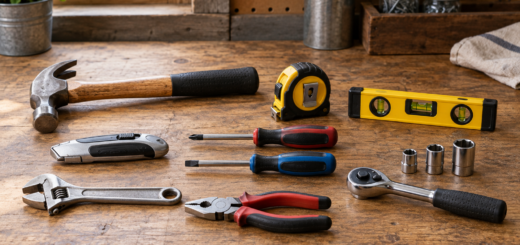
Start with tools that handle the widest range of household repairs: a 3/8-inch drive ratchet and socket set, combination wrenches, a set of screwdrivers, pliers, a utility knife, a tape measure, and an adjustable wrench. Add specialty tools only when a job justifies them.
For frequent use, prioritize comfortable handles and accurate fit over the largest piece count. A 200-piece kit often includes duplicate sockets, tiny bits, and low-value accessories while omitting useful sizes. A focused 80-piece set with six-point sockets, a good ratchet, and common metric and SAE sizes is usually a better purchase.
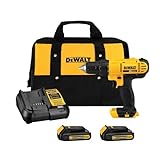
A practical starting point is a professional hand tool set from a mainstream brand. Check the contents before buying: metric sockets from 8mm through 19mm cover many modern repairs, while SAE sizes from 1/4 through 3/4 inch remain useful for older equipment, bicycles, and some hardware.
Best budget categories for frequent DIY use
| Category | Budget standard worth buying | Where cheap tools fail |
|---|---|---|
| Ratchet and sockets | Chrome vanadium steel, six-point sockets, 72-tooth ratchet | Gear skipping, loose fit, cracked socket corners |
| Screwdrivers | Hardened tips, clear size markings, comfortable acetate or rubber handles | Tips round over or twist under stubborn screws |
| Pliers | Induction-hardened jaws, smooth pivot, non-slip grips | Jaw teeth flatten and handles pinch your hand |
| Combination wrenches | Thin, polished jaws with accurate sizing | Open ends spread and slip on tight fasteners |
| Utility knife | Metal body or reinforced polymer, tool-free blade change | Blade mechanism binds or the body flexes |
How the main brand tiers compare
Entry-level store brands are fine for light assembly, picture hanging, and occasional plumbing adjustments. Their biggest advantage is price and local replacement availability. They become less attractive when you regularly work on vehicles, outdoor equipment, or construction materials, where high force and dirty conditions expose weak pivots and poor tolerances.
Mid-priced brands generally offer the best value for frequent DIY users. Look for brands with a clear lifetime hand-tool warranty, readily available replacement pieces, and enough sales volume that reviews reveal recurring defects. A warranty is useful, but it does not compensate for a ratchet that feels rough from day one or a screwdriver tip that does not hold the fastener.
Premium professional brands make sense for people using tools daily, working in awkward positions, or relying on one tool for income. Their advantages are usually better ergonomics, tighter tolerances, stronger ratchet mechanisms, and more consistent quality control. They are not automatically better value for a homeowner who uses a socket set twice a month.
For most buyers, spend more on the ratchet, screwdrivers, and pliers you use constantly. Save money on an adjustable wrench, striking pry bar, or rarely used specialty socket. A cheap adjustable wrench is acceptable for holding a nut or adjusting a fitting, but do not use it as a substitute for the correctly sized combination wrench on seized fasteners.
Where cheaper tools are genuinely fine
Cheap tools are usually adequate when the job involves low torque, soft materials, or occasional use. A budget tape measure can be perfectly serviceable if its lock holds and the hook is not bent. Basic hex-key sets work well for flat-pack furniture and bicycle adjustments, although ball-end keys should not be used to break loose tight fasteners.
Consumables are another place to save. Utility knife blades, sanding blocks, wire brushes, and drill-driver bits eventually wear out regardless of brand. Buy them in sensible multipacks, but avoid the very cheapest bits for stainless steel or hardened screws. They may blunt after one hole and leave a damaged fastener behind.
Do not economize on tools that protect your hands or control high force. A poorly made locking pliers can release unexpectedly, while weak diagonal cutters may chip when cutting hardened wire. For electrical work, use properly insulated tools rated for the task; ordinary plastic handles are not electrical protection.
Seasonal buying and price timing
Tool sets are commonly discounted around major holiday sales, Father’s Day promotions, Black Friday, and the weeks before Christmas. Spring is often a good time to watch for mechanic sets, lawn-equipment tools, and outdoor repair accessories. Home-improvement stores also clear older packaging in late summer and early fall.
Compare the current price with the normal price rather than trusting a large “discount” label. A 100-piece kit at $70 may be a worse deal than a better-built 60-piece kit at $60 if half the first set is made up of bits you will not use. Check whether the case includes empty spaces for missing sizes and whether individual replacement sockets are sold.
Online marketplaces can offer good prices on metric and SAE combination wrench sets, but verify the seller, warranty terms, and return window. Prices often fall briefly during holiday events, so a price tracker or a saved shopping list is more reliable than buying solely because a listing claims “limited time” savings.
Use and maintenance that extend tool life
Clean sockets and wrench jaws after working around grit, salt, or coolant. Wipe pliers’ pivots with a light machine oil, but keep oil off screwdriver tips and socket interiors. Do not hammer on chrome-plated combination wrenches unless the tool is specifically designed for striking.
Use six-point sockets on stubborn or corroded fasteners. Twelve-point sockets are convenient in tight spaces, but they contact fewer surfaces and are more likely to round a damaged bolt head. If a fastener is already compromised, stop increasing force with a standard ratchet; use penetrating oil, heat where safe, or a dedicated extractor.
A modest, well-chosen kit should last many years of regular DIY use. Buy the sizes and categories that solve your actual jobs, upgrade the tools that see the most force, and treat warranty coverage as a backup rather than a substitute for sound construction.