Best Affordable Tools for Maintaining a Gravel Driveway
What's inside
As an Amazon Associate I earn from qualifying purchases. This post may contain affiliate links at no extra cost to you.
Best Affordable Tools for Maintaining a Gravel Driveway
Gravel driveways are inexpensive to build, but they still need regular shaping, weed control, and occasional new stone. The right tools depend on the driveway’s size and the type of damage you see. A short, flat drive may only need a landscape rake and a shovel. A long driveway with washboarding or deep ruts is easier to maintain with a box scraper or grading attachment.
Spend money on tools that move and level gravel. Avoid paying extra for features that do not improve the finished surface. Most homeowners can maintain a typical driveway for less than the cost of one professional grading visit.
As an Amazon Associate we earn from qualifying purchases at no extra cost to you.


The basic tool kit
A sturdy landscape rake is the most useful low-cost purchase. Look for a metal head about 24 to 36 inches wide, a straight handle, and tines thick enough to pull gravel without bending. A lightweight leaf rake is not suitable; its flexible tines tend to skim over ruts and break when they catch compacted stone. A heavy-duty landscape rake generally costs about $25 to $50.
Add a square-point shovel for moving gravel into potholes and a digging bar for loosening hard-packed edges. A steel wheelbarrow with a single wheel is useful for small repairs, although a two-wheel model is more stable on uneven ground. Expect to spend roughly $25 to $60 for a shovel and $60 to $120 for a dependable wheelbarrow.
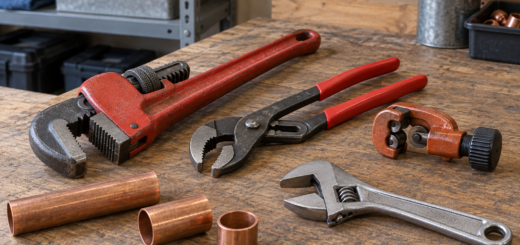
For drainage work, a mattock or grub hoe is more useful than a standard garden hoe. It can open a shallow ditch, cut through grass at the driveway edge, and break up compacted gravel. This is one area where a cheap tool is usually fine, provided the head is securely fitted and the handle is not cracked.
| Tool | Typical price | Best use | Cheaper option acceptable? |
|---|---|---|---|
| Landscape rake | $25–$50 | Spreading stone and smoothing small ruts | Yes, if the head is steel |
| Square shovel | $25–$60 | Filling potholes and moving gravel | Yes, for occasional work |
| Grub hoe or mattock | $25–$55 | Cutting weeds and opening drainage channels | Usually |
| Plate compactor rental | $50–$90 per day | Compacting new gravel and patch areas | Hand tamping works for small patches |
| ATV or tractor box scraper | $250–$700 rental | Reshaping long or badly rutted drives | No, for major grading |
Tools for ruts and washboarding
Hand tools work for potholes less than about 3 inches deep and isolated areas under 20 or 30 square feet. Loosen the bottom, add compatible gravel in 2-inch layers, and compact each layer. Dumping one thick load into a pothole often creates a soft patch that disappears after the next rain.
For recurring washboard ridges, a landscape rake can improve the surface, but it will not correct the underlying problem on a long driveway. The affordable upgrade is a rented ATV driveway box scraper, if you already own an ATV capable of pulling it. A box scraper with scarifier teeth can cut through compacted ridges, while its side plates carry gravel from high spots into low spots.
For a drive longer than about 200 feet, renting equipment is often better value than buying an attachment used once or twice a year. Rental prices vary by region, but a $75 to $150 day rental can be reasonable when compared with hiring a contractor. Check the towing requirement and working width before reserving. An attachment that is too wide for the ATV will leave an uneven grade and may overload the machine.
A drag harrow is another inexpensive option for light smoothing. It is useful after filling potholes, but it cannot cut deep ruts or rebuild a crown. Do not expect a chain-link drag or homemade pallet to fix drainage problems; it may spread stone while leaving the water path unchanged.
Compaction, gravel, and drainage
New gravel should be compacted, especially on slopes and near the road entrance. A hand tamper costs about $25 to $45 and is adequate for a few potholes. A rented plate compactor is faster and produces a denser patch, but it needs enough material to operate correctly. Compact in two or three lifts rather than trying to compress 6 inches at once.
Choose driveway gravel with a mixture of stone sizes and fines, often sold as crusher run, dense grade, or a local equivalent. Clean, uniformly sized decorative stone drains well but tends to roll and migrate under tires. The cheapest delivered material is not always the best value: a load with too much clay may turn muddy, while oversized rock can be difficult to spread by hand.
Most gravel drives benefit from a slight crown, roughly 1/4 inch per foot from the center toward each edge. Flat surfaces hold water, and standing water is the main cause of potholes. Use a string line or straight board to check the profile instead of relying only on appearance.
Weeds and edge maintenance
For occasional weeds, a stirrup hoe or grub hoe costs less than a powered trimmer and avoids throwing stones. Pull or cut weeds when the surface is dry, then rake the loosened roots away. A battery string trimmer is useful for grass growing along the edges, but use eye protection and keep the cutting head away from vehicles and windows. Flying gravel is a real failure mode.
Edge erosion often starts where grass is allowed to overgrow the gravel. Cut a clean edge with a spade twice a year and pull stone back into the drive with the landscape rake. If water runs across the entrance, spend money on a shallow ditch or culvert before buying more gravel. Replacing washed-out stone every season costs more than correcting the water flow.
When to buy and when to rent
Buy hand tools in late summer and fall, when garden-center clearance sales can reduce prices by 20% to 40%. Compare handle length, head thickness, and warranty rather than choosing only by brand. Established brands often have better replacement handles, but a basic steel rake from a lesser-known brand is fine for occasional homeowner use.
Buy or rent powered equipment in spring before demand peaks. Reserve compactors and ATV attachments early after heavy winter damage. If the driveway needs grading more than once each year, compare the annual rental cost with a used attachment. If it needs major work only every three to five years, renting remains the safer financial choice.
The best affordable setup for most homes is a steel landscape rake, square shovel, grub hoe, and hand tamper. Add a wheelbarrow for short drives and rent a box scraper or plate compactor only when the damage exceeds what hand tools can correct. This approach keeps the purchase cost low without ignoring the drainage and compaction problems that make gravel maintenance repeat itself.