Best Affordable Tools for Repairing a Loose Stair Tread
What's inside
As an Amazon Associate I earn from qualifying purchases. This post may contain affiliate links at no extra cost to you.
What you need for a loose stair tread
A loose tread usually moves because its fasteners have backed out, the wood has worn around them, or the tread has separated from its support. The affordable fix is often a drill, suitable screws, and adhesive—not a full set of specialty tools. First check what is moving: the tread itself, the riser beneath it, or both. A tread that is cracked, badly split, or unsupported needs more than a quick tightening.
Expect to spend roughly $20–$50 if you need to buy a basic drill-driver, screws, and adhesive. Prices vary by store and season, and you may already own some of the useful items. Before shopping, inspect the underside of the stairs if it is accessible. That can reveal whether there is a gap, a missing block, or a damaged stringer that a longer screw alone will not fix.
As an Amazon Associate we earn from qualifying purchases at no extra cost to you.


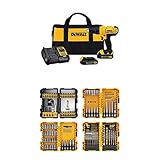
Affordable tools and materials compared
| Item | Typical budget | When it earns its cost | Trade-off |
|---|---|---|---|
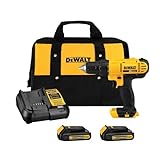
| Compact drill-driver | $30–$70 | Driving screws and drilling pilot holes | Cheap kits may have weak batteries or limited torque; adequate for occasional home repairs. |
| Construction screws, 2½–3 inches | $6–$12 per small box | Securing a tread to sound framing | Length depends on tread and framing thickness; screws must not emerge through the top. |
| Construction adhesive | $5–$10 per tube | Reducing squeaks and adding contact between sound surfaces | Does not replace proper fastening or repair rotten wood. |
| Wood shims or scrap hardwood | $3–$8 | Filling a small gap at a support point | A loose shim can work out; trim it flush and secure it. |
| Clamps | $10–$25 each | Holding a tread tight while adhesive cures | Often unnecessary if the tread can be screwed firmly to framing. |
A budget cordless drill-driver kit is the best first purchase if you do not own a drill. For a single stair repair, a corded drill you can borrow may be better value than buying a battery platform. A small manual screwdriver can tighten an existing screw, but it is slow and makes it harder to drill a clean pilot hole.
Choose screws for the stair, not the price tag
Use construction or structural wood screws, not drywall screws. Drywall screws are brittle and can snap under the repeated flex and impact of foot traffic. A box of 2½-inch screws is a common starting point for fastening a typical tread to framing, but measure the actual materials before choosing length. The screw needs useful bite into the support without coming through the tread surface.
Coarse-thread screws are generally suitable for wood framing. If the tread is hardwood or near an edge, drill a pilot hole to reduce the chance of splitting. Keep screws away from the front edge and ends, where wood is most likely to split. Two or three well-placed fasteners at a solid support can be more effective than driving many screws into a tread with no framing beneath it.
For a box of wood construction screws, compare the screw diameter, length, and head style—not just the count. A smaller box from a reputable hardware brand is usually a better buy than a large assortment of mixed, short screws you cannot use for this repair.
A simple repair that stays put
Remove rugs or objects from the stairs and keep people off the step while working. Press on the tread to locate movement, then check for nails or screws that could catch a drill bit. If the fasteners are merely loose and the wood is sound, tighten them carefully. Stop if a screw spins without gripping: the hole may be stripped, or there may be no framing behind that spot.
Where you can reach the underside, pull the tread tight against its support and add screws from below. This avoids visible holes on the walking surface. If you must fasten from above, use a countersink so the screw head sits below the surface, then fill the hole with a compatible wood filler. Do not drive a screw blindly through the tread; it can emerge where someone steps.
If there is a small gap between the tread and a sound support, apply a modest bead of construction adhesive at the contact point and clamp or screw the parts together as the label directs. Adhesive is useful for reducing movement and squeaks, but it needs close-fitting surfaces and adequate cure time. A thick bead bridging a wide gap is not a substitute for structural support. Follow the product’s temperature and cure-time instructions before using the stairs.
Where the cheapest option can fail
A low-cost drill is fine for occasional work if it can drill a pilot hole and drive the chosen screw without stalling. A basic two-speed model is more useful than a very small electric screwdriver with little torque. If buying a drill, compare the included battery and charger: an inexpensive bare tool may not be a bargain if you have to buy both separately. Battery-platform value matters most when you already own compatible tools.
Do not try to fix a tread that is split through, rotted, badly warped, or loose because the stair stringer or support block is damaged. Fasteners driven into decayed wood will not hold reliably. Likewise, if several steps move, the stair structure flexes, or you cannot identify solid framing, get an experienced carpenter to assess it. A loose stair tread is a fall hazard, and a cheap repair that fails underfoot is not a saving.
When to buy and what to skip
Drills and combo kits often see discounts around major holiday sales and spring home-improvement promotions, but a single repair rarely justifies buying a large kit. Check whether a basic drill-driver, a small screw box, and one tube of adhesive cover the job before paying for extra batteries or accessories. A construction adhesive for wood repairs should be labeled for the materials and conditions involved; a general-purpose tube is not automatically suitable for every stair assembly.
Skip specialty stair-repair kits unless they solve a problem you actually have, such as inaccessible fastening points or a particular trim detail. For a sound tread with a straightforward loose connection, ordinary screws and a drill are often enough. Spend the difference on correctly sized fasteners or a second support point rather than on a tool you may never use again.