Best Affordable Dust Extractor for Sanding in a Small Workshop
What's inside
As an Amazon Associate I earn from qualifying purchases. This post may contain affiliate links at no extra cost to you.
Best Affordable Dust Extractor for Sanding in a Small Workshop
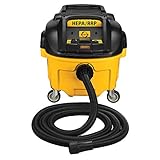
For a small workshop, the best affordable dust extractor is usually a compact wet/dry vacuum with a fine-dust or HEPA-rated filter, a sealed hose, and automatic tool activation. You do not need a large commercial extractor for occasional sanding, but a basic household vacuum is a poor substitute. Fine wood dust can pass through its filter, clog it quickly, or blow back into the room.
For most DIY users, plan on spending roughly $100 to $250 for a useful setup. That includes the vacuum, a proper filter, and possibly a hose adapter. The cheapest option can work for short sanding jobs, but it becomes frustrating when the filter blocks after a few minutes or the hose keeps pulling off the sander.
As an Amazon Associate we earn from qualifying purchases at no extra cost to you.
What matters when extracting sanding dust
Sanding produces fine particles that are harder to capture than chips from a saw. A dust extractor needs both airflow and suction. Airflow, measured in CFM, helps capture dust at the tool. Suction helps overcome the restriction from a small sander port, hose, and clogged filter. Published figures are not always measured consistently, so treat them as a rough comparison rather than a guarantee.
For random-orbit sanders, a practical target is around 100 to 150 CFM at the vacuum inlet, with a 1-1/4-inch or 1-1/2-inch hose. A 2-1/2-inch hose may move more air, but it is awkward on a hand sander and often requires an adapter. A very small hose can work, but it clogs more easily, especially when sanding paint, filler, or softwood.
Look for a washable cartridge filter rated for fine dust, or a model that accepts a genuine HEPA filter. HEPA filtration is valuable in a shared garage or basement, but it does not make an extractor safe to use without a dust bag or pre-separator. Once the filter loads with dust, airflow falls sharply.
- Automatic tool start: Useful when the extractor turns on with the sander and runs briefly after shutoff.
- Filter-cleaning feature: Helpful for long sanding sessions, though inexpensive systems may be loud or only partly effective.
- Sealed hose and tank: Leaks reduce collection and let fine dust escape around the lid.
- Low noise: Important in a small room, where a loud vacuum quickly becomes unpleasant.
- Compatible bags: Check their price before buying. Cheap extractors can become expensive if replacement bags are proprietary.
The best-value extractor types
| Extractor type | Typical price | Best use | Main compromise |
|---|---|---|---|
| Compact shop vacuum with fine-dust filter | $70–$140 | Occasional sanding and general cleanup | Usually louder and less sealed |
| Shop vacuum with HEPA filter and auto-start | $120–$250 | Regular DIY sanding in a garage or basement | Replacement filters and bags cost more |
| Small portable dust extractor | $200–$400 | Frequent tool use and better dust control | Higher purchase price and fewer general-purpose features |
| Shop vacuum with cyclone pre-separator | $130–$280 total | Heavy sanding and reduced filter clogging | Uses more floor space and adds hose connections |
The cheapest sensible choice is a compact shop vacuum with a fine-dust filter. This is fine if you sand one or two projects a month, work outdoors with ventilation, and empty the vacuum promptly. Add a disposable dust bag if the vacuum supports one. Bags improve airflow consistency and make cleanup much easier.
If you sand furniture, cabinets, or hardwood several times a week, step up to a HEPA shop vacuum with automatic tool start. The higher price buys better containment and convenience rather than magically stronger suction. Automatic start is especially useful because it keeps the sander and extractor operating together, reducing the chance that you forget to switch one on.
When a dedicated dust extractor is worth it
A dedicated portable HEPA dust extractor makes sense when dust control is a daily concern, when several tools share the same extractor, or when you work indoors around finished rooms. These units generally seal the filter and collection container better than ordinary shop vacuums. Many also offer a more useful hose diameter and automatic filter cleaning.
However, the price difference is substantial. If you sand only a small tabletop twice a year, a $300 extractor is difficult to justify. A $100 to $150 vacuum with a bag, a good sander pad, and sensible ventilation will usually collect most of the dust. Spend the difference on better abrasives, replacement pads, and a proper respirator.
Do not judge a vacuum only by its peak horsepower number. A large motor can still perform poorly if the filter is restrictive or the hose connection leaks. Real-world collection at the sander matters more than an impressive number printed on the box.
Setup mistakes that ruin dust collection
Use the shortest practical hose and avoid sharp bends. A 10-foot hose is convenient, but a 5-foot hose often preserves noticeably better suction. Check the sander port before buying; many random-orbit sanders use an unusual oval or metric connection and need a separate adapter. A loose adapter can leak enough air to leave a visible ring of dust around the workpiece.
Install the correct filter before sanding. A wet-use foam sleeve is not a fine-dust filter, and a paper pleated filter may be damaged if it gets wet. Empty the tank when it is about two-thirds full, and replace a bag when airflow drops rather than waiting for it to burst.
A common failure is connecting a sander to a vacuum with no bag, then sanding filler or paint. The fine powder quickly cakes the cartridge filter. The vacuum may still sound normal while collection falls dramatically. Turn it off, clean or replace the filter according to the instructions, and use a bag or cyclone separator next time. A small cyclone dust separator is particularly worthwhile when sanding large panels or several pieces in one session.
When to buy and how to save
Shop vacuums and workshop accessories are commonly discounted around spring tool sales, Father’s Day, Black Friday, and end-of-year clearance periods. Filters, bags, and adapters are less likely to receive deep discounts, so include their annual cost in the comparison. A vacuum that costs $30 less but needs $40 replacement bags every few months is not the better bargain.
For most small workshops, the value sweet spot is a compact vacuum with a fine-dust or HEPA filter, tool-triggered starting, a 1-1/4-inch hose, and readily available bags. Choose the cheaper compact shop vacuum for occasional work; choose a dedicated extractor when sanding is frequent, indoor, or tied to expensive finish work where escaping dust creates more cleanup than the extractor costs.