Best Budget Brake Bleeder Kit for Home Mechanics
What's inside
As an Amazon Associate I earn from qualifying purchases. This post may contain affiliate links at no extra cost to you.
A brake bleeder kit can cost less than a shop visit, but the cheapest one is not always the cheapest way to finish the job. The useful distinction is how the kit moves fluid: a hand vacuum pump pulls it through a bleeder screw, a pressure bleeder pushes fluid from the master-cylinder reservoir, and a two-person hose kit relies on pedal strokes. For occasional home use, each can work; the right buy depends on whether you work alone and how much patience you have.
As an Amazon Associate we earn from qualifying purchases at no extra cost to you.


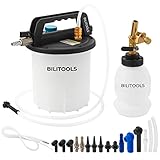
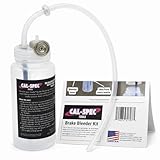
Quick picks by job
For a one-off bleed on a conventional car, a basic hose-and-bottle kit is hard to beat on price if you have a helper. If you work alone, a hand vacuum kit is more convenient, though it can draw air around loose bleeder threads and make the fluid look bubbly even when the brake line is not taking in air. For repeated jobs, a pressure bleeder is usually easier to control, provided you buy an adapter that fits your reservoir cap.
Browse basic brake bleeder hose and bottle kits for a low-cost, helper-assisted setup, or compare hand vacuum brake bleeder kits if you need to work solo.
Brake bleeder kit comparison
| Kit type | Typical cost range | Best for | Main trade-off |
|---|---|---|---|
| Hose and catch bottle | $5–$20 | Occasional jobs with a helper | Slow and dependent on pedal technique |
| Hand vacuum pump | $20–$50 | One-person work and light DIY use | May pull air past bleeder threads |
| Pressure bleeder | $50–$150 | Frequent jobs or solo bleeding with consistent flow | Adapter fit and pressure management matter |
| Electric vacuum bleeder | $40–$120 | Convenience across several jobs | More parts to store; quality varies |
These are broad U.S. retail ranges, not fixed prices. Kit contents and included adapters vary, and a bargain kit may need extra hose or a vehicle-specific cap adapter. Check the package details before comparing prices.
Best value for occasional use
A clear hose, catch bottle, and a second person are enough for many older vehicles with accessible bleeders. The helper presses the brake pedal slowly while you open the bleeder briefly, then holds the pedal down while you close it. Repeat until the fluid runs clear and free of visible bubbles. Keep the reservoir topped up throughout; if it runs dry, air can enter the master cylinder and turn a simple bleed into a longer job.
This method costs very little and has fewer parts to fail. Its weak point is coordination: opening the screw while the pedal is coming up can pull air back into the caliper. A one-way valve bottle helps, but it is not a substitute for closing the bleeder before the pedal returns. Avoid pushing an old master-cylinder pedal all the way to the floor unless the service procedure allows it; that can move internal seals across a worn portion of the bore.
Best budget option for solo bleeding
A hand vacuum pump is a reasonable middle ground if you work alone. It lets you draw fluid through one wheel at a time and usually includes a gauge and a small reservoir. Look for a kit with several hose sizes, a stable catch container, and replacement seals or readily available fittings. A gauge is useful, but the pump’s ability to hold vacuum and the hose fit matter more than a high maximum reading.
Foam or a steady stream of tiny bubbles at the bleeder does not always mean air remains in the brake line. Vacuum can pull air past the bleeder screw threads. Use a snug hose and moderate vacuum, and judge progress by the fluid and the pedal—not bubbles alone. If the pedal stays soft after a careful bleed, stop troubleshooting with more pumping and check for leaks, a sticking caliper, incorrect procedure, or air trapped in an ABS unit. Some vehicles require a scan tool to cycle the ABS hydraulic unit.
When a pressure bleeder is worth the extra cost
Pressure bleeders make sense if you bleed brakes regularly, maintain more than one vehicle, or want a steady supply of fluid without repeated pedal strokes. They can also reduce the risk of letting the reservoir level fall too low. Their main catch is the master-cylinder adapter: a universal rubber cone may work on some reservoirs but slip or leak on others. Match the adapter to the vehicle rather than assuming a universal kit covers every cap design.
Follow the vehicle’s service information for allowable pressure. Do not assume that higher pressure means faster or better bleeding; too much can force fluid past a poor seal or make a reservoir-cap leak messy. Protect painted surfaces, because brake fluid can damage paint. A pressure bleeder also needs cleaning after use, since old fluid left in its hose or tank can contaminate the next job.
What to check before buying
First, confirm the kit is for hydraulic brake bleeding, not just clutch systems, and check whether it includes enough hose to reach all four wheels. Second, inspect the fittings and seals: a loose connection introduces air or leaks fluid, wasting time and making the result hard to judge. Third, check whether the catch bottle can be secured upright. An open bottle knocked over near a wheel is a small but avoidable mess.
Buy fluid that meets the specification on the reservoir cap or in the owner’s manual. DOT 3 and DOT 4 are common, but do not substitute DOT 5 silicone fluid unless the vehicle specifically calls for it. Use fresh fluid from a sealed container; brake fluid absorbs moisture over time. Bleed in the sequence specified by the manufacturer, since the farthest-wheel-first rule is common but not universal, particularly on vehicles with diagonal circuits or ABS procedures.
Seasonal buying advice
Prices on basic hose kits tend to be low year-round, so waiting for a sale usually saves only a few dollars. Vacuum and pressure kits are more likely to get discounts during spring automotive maintenance promotions and major retail sale periods. If you know a brake job is coming, buy early enough to confirm the adapters and hose fit before the car is on stands. A cheap kit that arrives missing a useful fitting is no bargain when the vehicle is already apart.
For a single conventional brake bleed, the hose-and-bottle kit is fine if you have a careful helper. For solo work, a hand vacuum kit is a practical budget upgrade. Spend more on a pressure bleeder when repeat use justifies it and you can verify the reservoir adapter fits your vehicle. Whatever the kit, follow the service procedure, keep the reservoir full, and investigate a persistently soft pedal rather than treating more fluid flow as the answer.