Best Budget Framing Nailer for a Single Deck or Shed Project
What's inside
As an Amazon Associate I earn from qualifying purchases. This post may contain affiliate links at no extra cost to you.
A framing nailer can save hours on a deck or shed, but buying the cheapest tool on the shelf is not always the cheapest choice. A nailer that jams, misfires, or cannot drive nails fully below the surface can slow the project enough to erase the savings.
For one deck or shed, the best budget choice is usually a pneumatic framing nailer if you already own, or are willing to buy, a compressor. If you have no compressor and expect to use the tool again, a cordless model is easier to justify. If this is genuinely a one-time job, renting may cost less than either option.
As an Amazon Associate we earn from qualifying purchases at no extra cost to you.
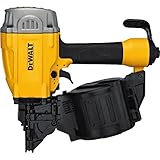


Best budget choice: a pneumatic framing nailer
A basic pneumatic framing nailer generally offers the lowest purchase price and the best driving performance per dollar. It uses a strip of clipped-head or round-head framing nails, commonly from 2 to 3-1/2 inches long, and connects to an air compressor with a hose.
For a typical shed, a compressor rated around 4 to 6 CFM at 90 PSI is a practical minimum. Smaller pancake compressors may run a framing nailer, but they will cycle frequently. That is acceptable for occasional framing, though it becomes irritating when driving hundreds of nails. A compressor with a 6-gallon tank gives you a usable buffer between motor cycles.
Expect to pay roughly $100 to $180 for a budget pneumatic nailer, not including the compressor, hose, fittings, and nails. If you already have the air equipment, a budget pneumatic framing nailer is usually the strongest value.
The main failure modes are straightforward: air leaks at the fitting, jams caused by poor-quality nails, and incomplete nail driving when the compressor cannot maintain pressure. Keep the hose short enough to avoid unnecessary pressure loss, use a proper coupler, and check the nailer’s depth adjustment before starting on visible boards.
Cordless versus pneumatic for a single project
Cordless framing nailers eliminate the compressor and hose, which makes them much easier on a ladder, roof line, or unfinished shed floor. They are also quieter between shots and convenient when power is unavailable. The trade-off is price, weight, and battery runtime.
A budget cordless model may cost $250 to $400 as a kit, and replacement batteries can be expensive. A heavier front end can make overhead work tiring. Cold temperatures also reduce battery runtime, while rapid firing can cause a cordless nailer to pause as its internal mechanism resets or cools.
For a single deck or small shed, cordless makes sense when setup time matters more than lowest cost. It is especially reasonable if you already own batteries in the same tool platform. Buying a bare tool in a battery system you do not own is rarely a bargain.
Look for a cordless tool that accepts 3-1/2-inch nails if you may frame walls or joists. Some compact nailers are limited to shorter nails and are better suited to lighter construction. Before buying, check whether the kit includes a battery and charger; “tool only” pricing can make an apparently cheap option misleading.
| Option | Typical cost | Best for | Main drawback |
|---|---|---|---|
| Pneumatic nailer, with existing compressor | $100–$180 | Lowest-cost framing and repeated use | Needs hose, compressor, and power |
| Pneumatic nailer and compressor | $220–$400 | Homeowners building several projects | More equipment to store and maintain |
| Budget cordless kit | $250–$400 | Fast setup and maximum portability | Higher price, weight, and battery cost |
| Rental | Often $40–$80 per day | One short project with no existing tools | Daily fees and return deadlines |
Features that matter more than the brand name
For budget tools, prioritize compatibility and serviceable controls over cosmetic features. The nailer should support the nail type required by your plans. Clipped-head nails may be allowed for some framing work, but local codes or inspectors may require full-round-head nails, particularly in areas with high wind or seismic requirements. Check the plans and local rules before ordering nails.
A tool-free depth adjustment is useful because framing lumber varies. A nail driven too shallow leaves the head exposed and can interfere with sheathing. A nail driven too deep creates a divot, weakens the connection slightly, and can make it easier to split a board near an edge.
A selectable trigger is another worthwhile feature. Sequential firing, where you pull the trigger for each nail, is safer and more controlled for most homeowners. Bump-fire modes can speed up repetitive sheathing but also increase the chance of double-firing or placing a nail where you do not want one.
Check the magazine before buying. It should load smoothly, latch firmly, and hold enough nails that you are not constantly reloading. Also look for a jam-release mechanism that does not require disassembling the nose. Cheap nailers can work well, but a jammed tool with poor access is a major time sink.
How brand value affects the budget
Established professional brands usually offer better parts availability, more consistent depth control, and clearer warranty support. That matters if you plan to use the nailer for multiple framing jobs. For one shed, however, paying twice as much for a professional model may not produce twice the result.
Midrange brands often provide the best compromise. They may lack the lighter weight and refined balance of premium tools, but they can still drive 3-1/2-inch nails reliably when paired with a suitable compressor. Avoid unknown models with very few reviews, vague nail-size specifications, or no listed replacement parts.
It is also worth considering a framing nailer and compressor combo kit when the combined price is close to buying the components separately. Confirm the compressor’s CFM rating rather than judging the kit by tank size alone.
When to buy and when to rent
Tool prices commonly dip around major holiday sales, spring project promotions, and late fall clearance periods. Spring has the widest selection, but fall can offer better discounts on pneumatic nailers and last-season cordless kits. Compare the full kit price, battery platform, shipping, and included accessories rather than the headline discount.
Rent when the project will take one day, you have no compressor, and you do not expect another framing job within the next year. Buy pneumatic when you already own air equipment or can use it for trim, roofing, or other tools. Choose cordless when portability saves real time and you already own compatible batteries.
Whichever route you choose, buy the right nails before starting, wear eye protection, and test the depth setting on scrap lumber. Those few minutes prevent the most common budget-tool problems: proud nail heads, damaged boards, and a long afternoon spent clearing avoidable jams.