Best Affordable Electric Pruner for Small Backyard Trees
What's inside
As an Amazon Associate I earn from qualifying purchases. This post may contain affiliate links at no extra cost to you.
For small backyard trees, an electric pruner is usually a better value than a full-size chainsaw. It is lighter, quieter, and easier to control for removing dead twigs, crossing branches, and fresh growth up to roughly 1 inch thick. The best affordable choice depends less on maximum cutting capacity than on battery cost, blade quality, hand comfort, and whether you already own batteries from the same tool system.
As an Amazon Associate we earn from qualifying purchases at no extra cost to you.


What to Look for in an Affordable Electric Pruner
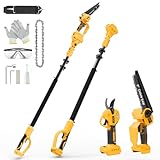
Most budget electric pruners use a small bypass blade powered by a rechargeable battery. Bypass blades work like scissors and are the right choice for live branches because they make a cleaner cut than anvil-style blades. Look for a stated cutting capacity of at least 0.8 inch, with 1 inch being more useful for routine backyard work.
That capacity is not a promise that every 1-inch branch will cut easily. Hard, dry hardwood can stall a small motor, especially when the branch is pressed against the wrong part of the blade. A tool rated for 1 inch may perform comfortably on green branches closer to 3/4 inch. For branches above 1 inch, a manual lopper or pruning saw is often safer and faster than forcing the motor.
Battery voltage is not a direct measure of cutting strength. A compact 16V or 20V tool can be adequate for light pruning, while a higher-voltage model may simply have a larger battery and more weight. More useful specifications include an included battery, charger time, trigger lock, blade-opening adjustment, and replacement-blade availability.
Budget Electric Pruner Options Compared
| Type | Typical price | Best use | Main drawback |
|---|---|---|---|
| USB-rechargeable compact pruner | $25–$50 | Small branches and occasional trimming | Slower charging and less durable batteries |
| Dedicated battery pruner with battery included | $50–$100 | Regular pruning of small backyard trees | Usually tied to a less useful battery platform |
| Tool-platform pruner, bare tool | $70–$130 | Owners of compatible cordless tools | Battery and charger can add $40–$100 |
| Professional-style cordless pruner | $150–$300+ | Frequent or extended pruning | Hard to justify for one or two small trees |
For most homeowners, the best value is a dedicated pruner that includes one battery and a charger. A cheap USB model is fine if you prune a few branches twice a year and do not expect it to cut thick hardwood. If you already own several batteries in a major cordless tool system, a bare-tool pruner can be the cheapest long-term option, even when its shelf price is higher.
The Best Affordable Choice for Most Small Yards
A midrange cordless bypass pruner with a 0.8- to 1-inch capacity, a removable battery, and an included charger is the sensible default. Search for cordless electric pruning shears with battery and charger and compare the actual package contents carefully. Some listings show a low tool price but sell the battery separately.
Prioritize a narrow blade head and a comfortable trigger over the highest advertised capacity. A narrow head can reach between branches without scraping bark. A good trigger should allow gradual operation or at least a clear safety sequence. Many inexpensive tools require a power button followed by a trigger pull; that is useful for preventing accidental cuts, but an awkward safety procedure becomes tiring during a long session.
Runtime is rarely the limiting factor for a small tree. A 1.5Ah battery may make hundreds of cuts in soft, green wood, but the number falls sharply in dense hardwood or when the blade is dull. A spare battery is helpful, though buying one is not always economical. For occasional pruning, charging for 30 to 90 minutes between trees is usually acceptable.
When a Brand Battery Platform Makes Sense
Battery-platform tools offer better long-term value when you already own the matching charger and batteries. A bare-tool pruner can cost less than a complete kit, and the same battery may power a drill, blower, or hedge trimmer. Search for battery-platform cordless pruning shears bare tool to compare this route.
Do not buy into a platform solely for one inexpensive pruner. The battery and charger may cost more than the tool, and proprietary batteries are difficult to replace after a line is discontinued. Established tool brands generally have better parts support and more predictable battery availability, but their pruners are not automatically better cutters. For a homeowner with no existing batteries, a complete kit from a reputable brand is usually easier to justify than a premium bare tool.
Avoid mixing batteries between brands with adapters unless the manufacturer specifically supports the arrangement. An adapter can defeat thermal protection, create poor electrical contact, or damage the tool. Battery replacement cost is part of the purchase price, not an afterthought.
When the Cheapest Pruner Is Good Enough
A $25–$40 pruner is reasonable for light annual maintenance: removing water sprouts, trimming young fruit trees, and cutting branches under 1/2 inch. It can also be useful for gardeners with limited hand strength, provided the grip is comfortable and the safety switch is not difficult to operate.
Cheap tools become false economy when used on dry oak, thick citrus branches, or several trees at once. Common failure modes include a blade that develops side-to-side play, a battery that loses most of its capacity after a season, and a motor that stops under load. Some low-cost tools also use blades that cannot be sharpened or replaced. Before buying, check whether replacement blades are sold separately and whether reviews mention the exact spare part.
The Best Time to Buy
Prices often fall during late spring garden promotions, summer tool sales, and November deal events. Spring is the best time to shop if you need the pruner for dormant-season or early-growth work, but inventory can be inconsistent. Fall clearance can produce good prices on complete kits, though battery packs may have been stored for months.
Compare the kit price rather than the headline discount. A $60 pruner with a battery and charger can be a better deal than a $35 bare tool that needs a $50 starter kit. Also check the warranty, return window, and shipping cost. A low-priced tool with no replacement blade or practical warranty is not a bargain if one jammed cut ends its useful life.
How to Get Better Results and Avoid Damage
Use the pruner on live wood within its comfortable diameter, not at the maximum rating on every cut. Keep the moving blade on the branch side that will remain attached, and make a clean cut just outside the branch collar. Do not twist the tool while the blade is closed around wood; twisting can bend the blade or strip the drive gear.
Clean sap from the blade after pruning and apply a light tool lubricant before storage. Recharge lithium batteries according to the manual and store them indoors, away from freezing temperatures and direct heat. If you regularly face branches thicker than 1 inch, buy an electric pruner for small cuts and add a cordless pruning saw for small branches rather than paying extra for an oversized pruner.