Best Affordable Soldering Station for Small Electronics Repairs
What's inside
As an Amazon Associate I earn from qualifying purchases. This post may contain affiliate links at no extra cost to you.
A useful soldering station for small electronics repairs does not need a large display or a long list of presets. It needs stable temperature control, a comfortable iron, tips you can replace, and enough power to recover when the tip touches a copper pad. For most hobby repairs, a sensible budget is about $40–$100 for the station, plus a few dollars for spare tips and consumables.
As an Amazon Associate we earn from qualifying purchases at no extra cost to you.



What matters for small repairs
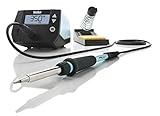
Look for adjustable temperature control, a grounded iron, a stable holder, and a replaceable tip system with spares available. A temperature range around 200–480°C is common; for ordinary leaded electronics soldering, you will often work near 320–370°C. Lead-free solder may need roughly 350–400°C, depending on the alloy, tip, and joint. These are starting points, not fixed rules: use the lowest setting that makes a clean joint promptly.
Power is about more than maximum temperature. A station rated around 60–90 watts usually has enough reserve for connector pins, wires, and small through-hole parts. A low-power iron can still solder tiny components, but it may cool sharply on a ground plane and take longer to recover. That extra dwell time can lift a pad or damage nearby plastic. For fine surface-mount work, tip shape and control matter as much as the wattage printed on the box.
Buy a station with tips you can actually find. A common chisel tip around 1–2 mm transfers heat better than an extremely fine needle tip for most repairs. The needle tip looks precise but often struggles to heat a joint quickly. Check the price and availability of replacement tips before choosing an unfamiliar system.
Three affordable choices
| Type | Typical price | Best for | Main trade-off |
|---|---|---|---|
| Basic temperature-controlled station | $25–$50 | Occasional repairs and learning | Slower recovery, fewer tip choices, variable quality |
| Midrange digital station | $50–$100 | Regular hobby repairs | Costs more; display features may add little |
| USB-C portable iron | $25–$70, plus a suitable power supply | Small jobs, travel, or limited bench space | Depends on the power source and lacks a full station setup |
A basic station is enough for a few controller or cable repairs a year if its temperature control is reasonably stable and replacement tips are sold. At this price, inspect the holder and cord: a wobbly stand or stiff lead is a daily annoyance, while a poorly fitting tip can turn a simple joint into a struggle.
For regular use, a midrange unit is usually the better value. You are paying for more consistent heat delivery, a more comfortable handpiece, and a better chance of finding compatible tips later—not necessarily for a more accurate-looking screen. Compare 60-watt temperature-controlled soldering stations by tip availability and included accessories, not just advertised wattage.
A USB-C iron can be a good choice for an occasional repair, especially if you already own a compatible power bank or USB-C supply. Check the iron’s required voltage and power: a weak phone charger may leave it heating slowly or unable to recover on larger joints. A portable iron is less convenient for extended bench sessions and usually gives you no built-in holder or sponge tray. Browse USB-C portable soldering irons if portability matters more than a permanent setup.
Where the money is well spent
Spend first on reliable heat transfer and tips, then on convenience. A good chisel tip, brass wool or a damp sponge, a secure stand, and a spool of fresh solder make more difference than a large temperature display. If you work on circuit boards, add flux; it helps solder wet the joint and can reduce the time the iron needs to stay on a pad.
Be cautious with very cheap kits that bundle a station, many tips, solder, tweezers, and cutters for the price of a bare iron. The accessories may be serviceable for practice, but the tips can oxidize quickly or fit poorly. A station that cannot maintain heat under load is a false bargain if it makes you hold the iron against a joint for several seconds. Conversely, you do not need a premium station for occasional wires or through-hole components. If the basic unit has available tips and a grounded plug, it may be entirely adequate.
Setup and common failure modes
Tin the tip with a small amount of solder before and after use, and do not leave it hot and dry for long periods. A black, unwettable tip is often oxidized; scraping it aggressively can remove its protective coating. Clean it with brass wool or a suitable sponge, then re-tin. Replace a tip that remains pitted or will not accept solder after proper cleaning.
Use a ventilated work area and wash your hands after handling leaded solder. Keep the iron in its stand between joints, and assume the tip is hot even when the station is switched off. On a board, heat the pad and component lead together, then feed solder into the joint—not onto the iron. A small joint should typically take a few seconds; if it does not wet, check for oxidation, inadequate flux, a dirty tip, or a cold joint rather than simply turning the temperature far higher.
For temperature control, start around 350°C with common leaded solder and adjust in small steps if the joint is slow. Use a lower setting for delicate parts only when the joint still heats promptly. Excessive temperature and long contact can scorch the board, loosen pads, or damage components; too little heat can leave a dull, weak joint. The right tip and clean surfaces often solve problems that a higher setting will not.
When to buy and what to skip
Prices often dip during major sales periods, including Black Friday and post-holiday clearances, but waiting only pays off if your current iron is safe and usable. A $10 saving is not worthwhile if you need the tool for a repair now. Before ordering, check whether replacement tips are sold separately, whether the station accepts the voltage used in your region, and whether the kit includes a stand you trust.
Skip bundled soldering stations that advertise unusually high wattage without clear information about tip compatibility or temperature control. Also skip paying extra for presets you will not use. For occasional small-board work, a basic controlled station with replaceable tips is a fair buy. For frequent repairs, a midrange station with a comfortable iron and readily available tips is the more economical choice over time.