Best Value Soldering Station for Small Electronics Repairs
What's inside
As an Amazon Associate I earn from qualifying purchases. This post may contain affiliate links at no extra cost to you.
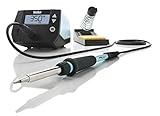
For small electronics repairs, the best-value soldering station is usually a temperature-controlled 60–75 W unit with a grounded iron, replaceable tips and readily available spares. You do not need a large digital display or a bundle of accessories. You do need stable heat, a tip that suits the work and a stand that keeps the hot iron off your bench.
As an Amazon Associate we earn from qualifying purchases at no extra cost to you.



What value means for electronics repair
A basic temperature-controlled station commonly costs less than a premium brand’s iron alone, while still handling wires, through-hole parts and many connector repairs. The useful comparison is not just the purchase price: consider tip cost, replacement iron availability and whether the station can recover heat quickly enough for the joints you make.
For small boards, a working range around 300–350°C (570–660°F) covers many leaded and lead-free jobs. Start near 320°C for leaded solder or 350°C for lead-free, then adjust based on joint size and how the solder behaves. These are starting points, not universal settings. A large ground plane pulls heat away faster than a tiny component pad.
Which station type should you buy?
| Type | Typical price range | Best for | Main trade-off |
|---|---|---|---|
| Entry-level temperature-controlled station | $25–$60 | Occasional repairs and through-hole work | May recover heat slowly or have inconsistent tip quality |
| Midrange station with widely available tips | $60–$150 | Regular hobby and repair work | Costs more; gains matter most with frequent use |
| USB-C or compact iron | $25–$100, often plus a power supply | Portable setups and occasional small jobs | Performance depends on the power supply and cable |
| Unregulated basic iron | $10–$25 | Infrequent, simple wire repairs | Temperature can overshoot and damage pads or insulation |
For most buyers, an entry-level station is the value pick. Look for temperature control, a stable stand, a sponge or brass-wool tip cleaner and standard replacement tips. A listing’s wattage alone does not tell you how well the iron holds temperature at a joint; tip design, heater placement and control quality matter too.
The sensible budget pick
Choose a 60–75 W temperature-controlled soldering station if you repair cables, switches, small boards or through-hole components now and then. A 60 W station is sufficient for most small-electronics work when the tip fits the joint. A wider chisel tip transfers heat better than a needle-point tip on many pads, despite looking less delicate.
Before buying, check that replacement tips are listed separately and that the iron or handpiece can be replaced. A cheap station becomes poor value if a worn tip has no compatible replacement. Also check the stand: a lightweight holder that tips over when you lift the iron is a real bench hazard, not a minor inconvenience.
The cheaper station is fine if you solder occasionally and can work at a steady pace. It is less suitable for repeated work on large connectors or ground planes. If a joint takes more than a few seconds to flow, first clean and tin the tip, use a larger tip, and apply fresh flux. Turning the temperature far above 400°C to compensate can burn flux quickly, oxidize the tip and lift board pads.
When a midrange station is worth it
If you solder every week, a station from a brand with dependable parts support can justify its higher price. Faster thermal recovery helps when making several joints in a row, and a broad range of compatible tips makes it easier to match the tool to the job. Compare the cost of common tips and replacement handpieces before choosing by display size or advertised wattage.
A Hakko-style temperature-controlled station is worth comparing if you value established parts availability and expect years of regular use. Brand names do not guarantee a perfect fit for every budget: verify current tip compatibility and replacement-part prices, and do not pay a premium for features you will not use. For occasional repairs, a reputable budget station may leave more money for useful accessories.
Compact irons and USB-C options
A temperature-controlled USB-C soldering iron can be good value if bench space is limited or you need a portable kit. Check the required input power before ordering: a small phone charger may not supply enough wattage, and some irons need a higher-power USB-C supply or a compatible cable. A compact iron also has less of the stability and convenience of a station with a separate holder and controls.
For fixed bench work, choose a station instead unless portability is a genuine requirement. A basic unregulated iron is acceptable for simple wire splices or occasional heat-shrink work, but it is a poor choice for fine-pitch board repairs. Excess heat can soften nearby plastic, damage insulation or detach copper pads before you notice the problem.
When to shop and what to add
Prices often move during major sale periods such as Black Friday, Prime Day and back-to-school promotions. Compare the final price with the station’s usual listing price and check whether a sale bundle includes useful tips or just duplicates. If the tool is needed for a repair now, waiting for a small discount may cost more in delay than it saves.
Set aside part of the budget for consumables: solder, flux and a few spare tips. A set of compatible chisel replacement tips is more useful than a large assortment of shapes you will never use. Match tip compatibility to the station before buying. Keep the tip tinned when hot, clean it between jobs and avoid scraping it with files or sandpaper; damaged plating shortens tip life.
A quick buying checklist
For general small-electronics repairs, prioritize a grounded, temperature-controlled 60–75 W station; commonly available replacement tips; a stable iron holder; and a realistic temperature range with clear controls. Treat hot-air tools, preset memory and elaborate displays as optional. They can help with particular workflows, but they do not replace good tip choice, flux and technique.
Buy the least expensive station that meets those checks and has parts you can actually replace. If you rarely solder, that is likely an entry-level station. If you solder often or tackle larger joints, spend more on predictable heat recovery and strong parts support rather than on a bigger accessory bundle.