Best Affordable Dust Extractor for a Small Woodworking Setup
What's inside
As an Amazon Associate I earn from qualifying purchases. This post may contain affiliate links at no extra cost to you.
A small woodworking setup does not need a $700 professional extractor, but it does need more than a basic wet/dry vacuum with a paper filter. The best affordable dust extractor is usually a compact shop vacuum paired with a cyclone separator, a fine-particle filter, and the right hose. That combination costs less than a dedicated extractor and works well for a table saw, router, sander, and planer used one machine at a time.
For most home shops, plan on spending about $150 to $300 for a useful setup. You can spend less, but the compromises usually show up as clogged filters, weak suction at the tool, excessive noise, or dust escaping into the room.
As an Amazon Associate we earn from qualifying purchases at no extra cost to you.


What a Small Shop Actually Needs
Look for three specifications: airflow, sealed suction, and filtration. Airflow is normally listed in cubic feet per minute (CFM), while sealed suction is measured in inches of water lift. A compact vacuum with roughly 100 to 150 CFM and 60 to 80 inches of water lift is adequate for hand-held sanders, routers, and small saws.
Dust collection ports vary. Small power tools often use a 1-1/4-inch or 1-1/2-inch outlet, while table saws and planers commonly use a 2-1/2-inch or 4-inch port. A shop vacuum can handle fine dust and chips from one tool, but it is not a substitute for a high-volume collector on a large planer or wide drum sander.
Filtration matters more than an impressive CFM number. A vacuum with a high-efficiency cartridge filter, ideally rated for fine dust or HEPA filtration, will keep more particles out of the room. No filter removes the need for ventilation and a properly fitted respirator when sanding MDF, plywood, or finishes.
The Best-Value Setup
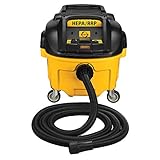
For a beginner or occasional woodworker, start with a 12- to 16-gallon wet/dry vacuum, a reusable fine-dust cartridge filter, and a cyclone separator. A fine-dust shop vacuum in this size range usually provides enough capacity without taking over a small garage.
Add a cyclone dust separator before the vacuum. It catches heavier chips and sawdust in a separate bucket, preventing the vacuum filter from loading quickly. This is particularly useful with a router, circular saw, or track saw, where the material is coarse and plentiful.
The separator is not magic. It will not catch all fine sanding dust, and a poorly sealed lid can reduce suction substantially. Use a rigid bucket, seal the hose connections with gaskets or silicone, and keep the hose as short and straight as practical.
| Setup | Typical cost | Best use | Main limitation |
|---|---|---|---|
| Basic shop vacuum and standard filter | $80–$140 | Occasional cuts and rough cleanup | Filter clogs quickly; poor fine-dust control |
| Shop vacuum, fine filter, and cyclone | $150–$300 | Small mixed woodworking shop | More hoses and connections to manage |
| Compact dedicated dust extractor | $300–$600 | Frequent sanding and portable tools | Higher price and limited chip capacity |
| Large single-stage dust collector | $350–$700 | Planers, jointers, and fixed machines | Bulky and not ideal for fine dust alone |
When a Dedicated Extractor Is Worth Paying For
A dedicated compact woodworking dust extractor makes sense if you sand frequently, move the vacuum between tools all day, or need automatic filter cleaning. These units generally have better seals, quieter motors, more convenient tool outlets, and filters designed specifically for fine dust.
The catch is capacity. Many compact extractors use a small bag or container that fills quickly when connected to a planer or router table. They also cost more than a shop-vac system with similar suction. For occasional weekend use, that premium may not improve your results enough to justify the price.
Automatic filter cleaning is useful, but it does not mean the machine is maintenance-free. Some systems briefly reverse airflow or shake the filter, which can be noisy and can release dust if the housing is not sealed well. Check replacement filter and bag prices before buying; a cheap extractor can become expensive if consumables are proprietary.
Features That Save Money
A power-tool outlet with automatic switching is convenient: the vacuum starts when the saw or sander starts. Look for a rated outlet suitable for your tools, and avoid plugging a high-draw table saw and vacuum into an undersized extension cord. A 15-amp circuit can trip when both motors start together.
Antistatic hose is helpful with fine, dry dust because ordinary plastic hose can develop static shocks. It is not essential for a low-cost setup, however. A smooth 1-1/4-inch hose often improves sanding performance, while a larger 2-1/2-inch hose moves chips better. Do not assume a larger hose is always better: reducers, elbows, and small tool ports still restrict the system.
Buy a spare filter before you need one. A filter that looks only moderately dirty can reduce suction enough to leave dust around a sander. Never operate a dry vacuum without its dry filter installed, and do not use a disposable dust bag as a substitute for filtration.
Brand Value and the Best Time to Buy
Established shop-vac brands often offer cheaper filters, hoses, and replacement motors than unfamiliar budget brands. The least expensive vacuum is only a bargain if replacement parts remain available. Compare the cost of a cartridge filter, five dust bags, and a hose before choosing between similarly priced machines.
Prices commonly soften around major holiday promotions, Father’s Day, Black Friday, and end-of-year clearance. Spring garage-sale season can also bring discounts on shop vacuums, but inspect used units carefully. A burned smell, cracked housing, missing filter cage, or motor that changes pitch under load is a reason to pass.
If your budget is tight, buy the vacuum first and add the cyclone and better hose later. That cheaper option is fine for one tool at a time and occasional cleanup. Upgrade filtration before increasing motor size if visible fine dust is accumulating on nearby surfaces. For a small shop, controlled airflow, sealed connections, and regular filter cleaning usually matter more than the biggest number printed on the box.