Best Budget Cordless Tools with Batteries That Fit Older Models
What's inside
As an Amazon Associate I earn from qualifying purchases. This post may contain affiliate links at no extra cost to you.
The cheapest cordless tool is often the one that uses batteries you already own. That matters more than a small difference in the bare-tool price: a new battery platform can add $50 to $150 for a starter kit, while a compatible bare tool may cost less than half as much. The catch is that battery fit is specific. “Same brand” does not guarantee that a new battery fits an older tool, or that an old battery works safely in a newer one.
As an Amazon Associate we earn from qualifying purchases at no extra cost to you.


Check the platform before shopping
Find the tool’s model number and battery part number on its label, then check the manufacturer’s compatibility chart or manual. Battery platforms can change over time, and some brands sell separate compact, high-voltage, or professional lines that do not share packs. Even when the physical rails fit, a newer battery may need electronics the older tool does not have. Check both directions: whether the old battery fits the new tool and whether the new battery can charge on your existing charger.
For a straightforward replacement, search for an 18-volt drill bare tool for your battery platform, but verify the exact platform and model compatibility before ordering. “Bare tool” means no battery or charger, so compare the total cost with a kit if you need either one.
Best-value tool categories
A drill-driver is usually the safest first purchase. It handles pilot holes, screws, and everyday assembly, and a newer drill often makes an older battery more useful without forcing a platform change. A compact impact driver is a sensible second tool for repeated long screws or fastening work; it is faster and puts less twisting force through your wrist, but it is loud and can strip small screws if you lean on the trigger.
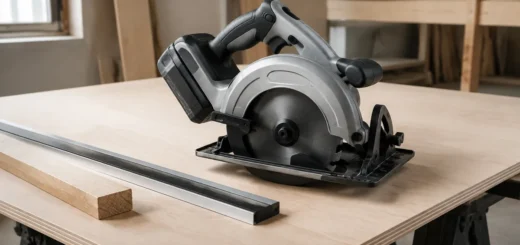
For occasional yard cleanup or light cutting, staying on your existing platform can also make sense. A compatible impact-driver bare tool can be a good buy if your batteries are healthy. For tools that draw power continuously—such as circular saws, blowers, and vacuums—one small, old pack may deliver disappointing runtime. A battery-powered saw that bogs down in thick stock is not a bargain if the job needs several cuts per minute.
Compare the full cost, not just the tool
Prices vary by promotion, but these ranges are useful for judging a deal. They are not a guarantee of current pricing. Include a battery and charger in the total if you do not already own compatible ones.
| Buying option | Typical price range | Best fit | Main trade-off |
|---|---|---|---|
| Compatible bare drill-driver | $40–$100 | Existing platform, occasional home repairs | No battery or charger; verify fit carefully |
| Drill-driver starter kit | $90–$180 | First tool on a platform | Costs more upfront, but includes essentials |
| Compatible bare impact driver | $50–$120 | Frequent screw driving | Can damage small fasteners; often sold tool-only |
| Budget kit with two tools | $130–$250 | New users who need both tools | Included batteries may be small; check capacity |
Battery capacity is measured in amp-hours (Ah). A 2.0Ah pack is lighter and often adequate for drilling a few holes or assembling furniture; a 4.0Ah pack can run longer under similar conditions but adds weight and cost. Runtime varies widely with material, tool, and battery age. If a discounted kit includes two small packs, that may be more useful than one larger pack for a homeowner who can swap batteries and charge the spare.
When old batteries stop being a bargain
Lithium-ion packs lose usable capacity with age and heat. If a pack runs a drill for only a few minutes, shuts off under load, or will not charge normally, price a replacement before buying another bare tool. Do not keep using a battery with a cracked case, swelling, leakage, unusual heat, or damaged contacts. Stop charging it and follow local battery-recycling guidance; do not put lithium packs in household trash.
Third-party batteries can cost less, but quality and protection circuitry vary. Poorly made packs may overheat, fail early, or fit loosely. A reputable brand-compatible replacement with clear safety certification and a return policy is a lower-risk choice than the cheapest unbranded listing. Avoid adapters that let one brand’s battery power another brand’s tool unless both manufacturers explicitly approve the combination. An adapter can bypass communication or low-voltage protection, and the tool may drain or overheat the pack.
Time the purchase around kits
Starter kits often give better value during spring tool promotions, Father’s Day sales, and Black Friday. A kit’s headline discount is less important than its contents: check the number and Ah rating of batteries, charger type, and whether the tools are useful to you. Some bundles add a low-value accessory while keeping the battery small. Compare the kit price with the separate prices of the tools and packs you would actually buy.
If you already have two working batteries and a charger, a bare tool is usually the economical route. If your batteries are old, or you are entering a platform for the first time, a kit may cost less than buying a tool and replacement battery separately. For a once-a-year task, renting or borrowing a specialized tool can beat buying into a new battery system. Spend more only where the job justifies it: a small drill for shelves does not need a premium high-capacity pack, while repeated saw cuts or long outdoor work may.